









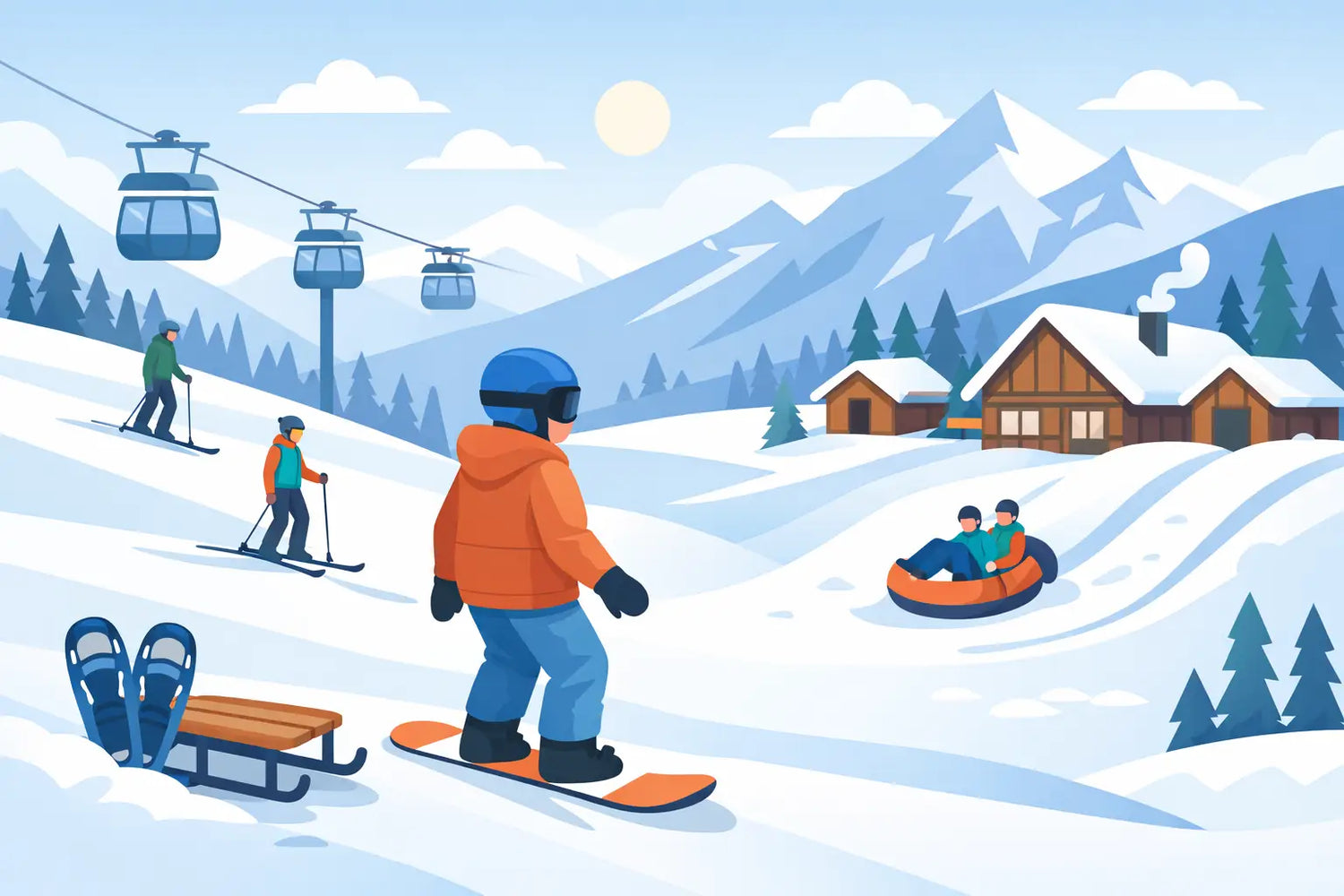
A lot of people quit skiing or snowboarding before the fun part starts. Not because they hate snow. Because the first day can feel expensive, awkward, and harder than expected. That is exactly why the idea of an affordable ski alternative matters right now. Beginners do not need more complexity. They need a smarter way in.
Traditional skiing has a reputation problem. It asks a lot from day one - boots, bindings, skis, poles, lift nerves, sore legs, and a learning curve that can turn one vacation into a frustrating money pit. For families, casual travelers, and anyone crossing over from hockey, skating, or roller sports, that barrier is real. If winter sports want more people to stick around, the setup has to get easier, safer, and more affordable.
What makes an affordable ski alternative worth considering?
Price is the obvious starting point, but it is not the whole story. A true alternative is not just cheaper at checkout. It should also reduce the hidden costs that make skiing feel bigger than it needs to be.
That means simpler gear, fewer moving parts, less time spent figuring things out, and a faster path to feeling stable on snow. If someone spends less money but still ends the day frustrated or intimidated, it is not really a better option. The real win is lower cost and lower friction.
For beginners, friction shows up everywhere. Carrying bulky equipment through a parking lot. Paying for a lesson just to learn how to stand and stop. Worrying about falls before the first run even starts. An affordable ski alternative earns its place by removing those pain points, not just trimming a few dollars.
Why traditional ski setups feel expensive
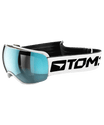
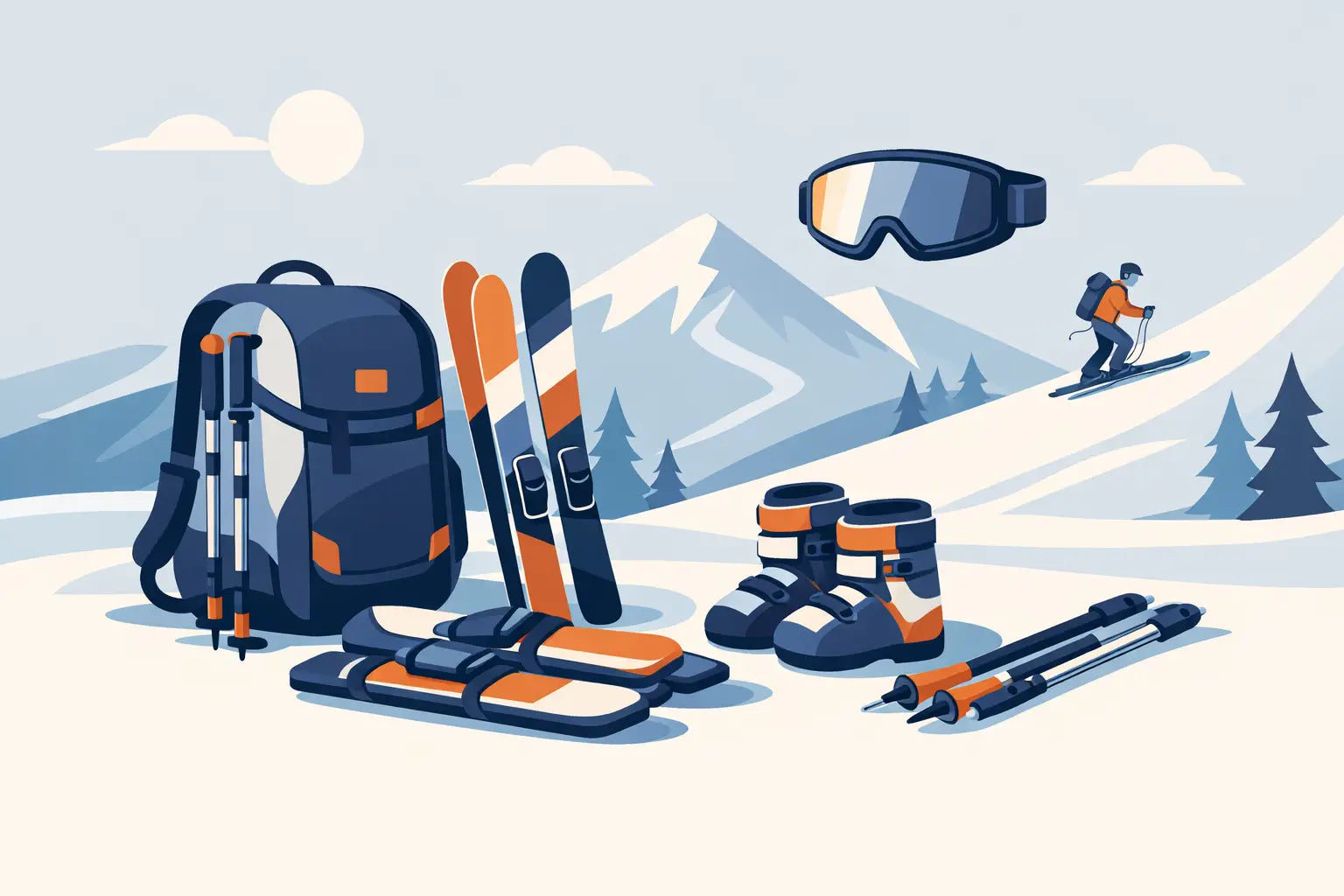
Most people think about the cost of skis or a snowboard first. But the total spend stacks up fast. Boots, bindings, helmets, goggles, outerwear, bags, tuning, and beginner lessons all push the number higher. Then there is the mental cost - learning how all the gear works and whether it is set up right.
That is where many first-timers lose momentum. The sport starts to feel like a system to manage instead of an experience to enjoy. Even renting can be a hassle, especially for people who just want a fun day on the mountain without the gear drama.
There is also the cost of slow progress. If it takes a full day or two to feel remotely comfortable, beginners often spend their first trip falling, braking hard, and wondering if they made a mistake. That is a rough return on investment.
The best affordable ski alternative is the one you will actually use
This is where the category is changing. Newer snow products are being built for access, not tradition. They are designed for people who care less about mastering a classic setup and more about getting on snow fast, staying in control, and having fun right away.
That shift matters. A beginner does not need a lecture on alpine history. They need confidence. They need equipment that feels intuitive. They need something that works out of the box and does not punish them for being new.
An affordable ski alternative should feel less like joining an exclusive club and more like showing up ready to ride. That is a very different promise from traditional gear, and for many people it is a much better one.
A smarter fit for skaters, hockey players, and casual riders
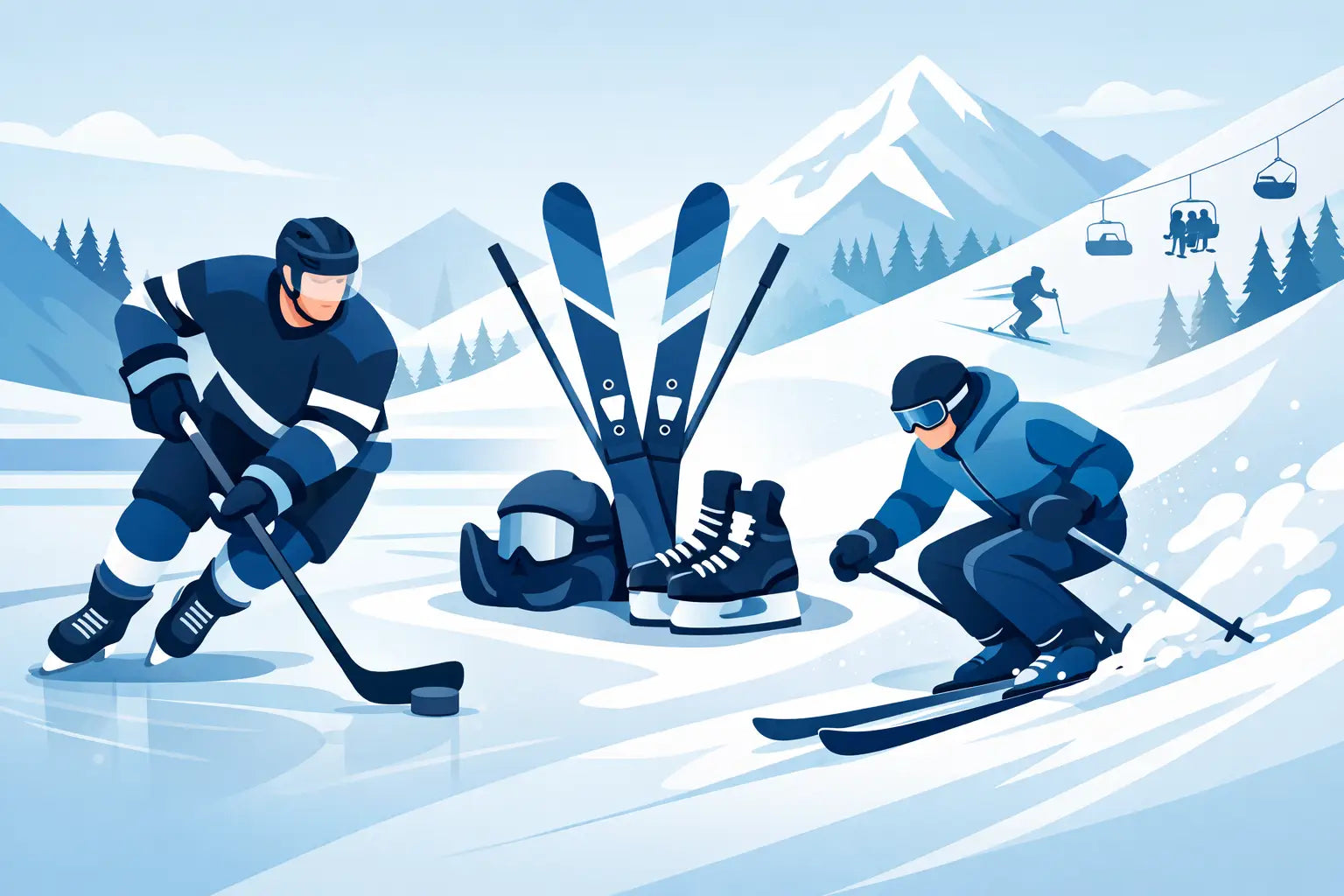
If you already play hockey, figure skate, or spend time on inline skates, the usual ski learning curve can feel strangely unnatural. You probably have balance, edge awareness, and lower-body control, but traditional skis still require a different setup and movement pattern that takes time to trust.
That is why shorter, integrated snow gear has such strong appeal. It lets crossover athletes use skills they already have instead of starting from zero. The stance feels more approachable. Movement feels more direct. The transition to snow is less intimidating.
This is also a big reason younger riders and social groups are paying attention. They are not looking for a long apprenticeship. They want to feel the thrill early, build confidence quickly, and spend more time riding than overthinking.
Affordable ski alternative options are not all equal
Not every lower-cost option is automatically a better beginner choice. Some products are inexpensive because they are stripped down, unstable, or limited in where and how they can be used. Others may look easy but still require enough technique that new riders end up back at square one.
So what should you look for? Start with ease of use. If the product takes too much setup, adjustment, or explanation, it is already drifting away from what makes an alternative valuable. Then look at control and safety. Beginners need gear that feels planted and predictable, especially when learning to stop and turn.
Portability matters too. One of the biggest advantages of modern alternatives is that they cut down on the awkward bulk that comes with traditional skis or snowboards. That alone can make the sport feel more inviting.
Finally, ask the simple question: does this help someone enjoy their first session faster? If the answer is yes, the value is real.
Why integrated gear changes the beginner experience
The most compelling products in this space are integrated systems - gear designed to work as one complete solution instead of a collection of separate parts. That makes a huge difference for beginners.
With integrated ski boots and built-in short skis, there is less to assemble, less to carry, and less to worry about before getting started. The experience becomes more direct. Put them on. Get moving. Learn by doing.
That simplicity is not a gimmick. It changes the emotional side of learning. People are less tense when the equipment feels manageable. They are more willing to try, more likely to recover after a fall, and more open to staying out longer. Confidence grows faster when the gear is not fighting you.
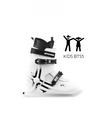
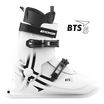
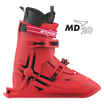
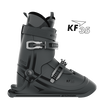
That is where a product like Novaskis stands out. It is built as a complete ski solution with no detachable parts, designed to be easier to learn, easier to carry, and less intimidating than a traditional ski or snowboard setup. For value-conscious beginners, that combination matters as much as price.
Lower cost is good. Faster learning is better.
This is the trade-off many buyers miss when comparing options. A product can be cheap and still be a bad deal if it slows down the experience. Time matters. Confidence matters. Whether you feel like coming back next weekend matters.
If you can get the basic feeling of control within one or two hours instead of spending one or two days stuck in beginner survival mode, that changes everything. It makes winter sports feel social and fun instead of punishing and technical.
That is especially important for families. Kids and parents do not always quit because of price alone. They quit because the effort-to-fun ratio is off. An affordable ski alternative that shortens the learning curve can deliver better value than a cheaper option that still leaves everyone exhausted and discouraged.
Who should consider an affordable ski alternative?
First-time slope visitors are the clearest fit. So are travelers who want a lighter, simpler snow setup without committing to traditional skiing. Families often benefit because fewer complications mean less stress from the parking lot to the last run.
It is also a strong option for people who have always liked the idea of skiing but felt turned off by the risk, gear load, or steep learning curve. And if you come from skating or hockey, this kind of product can feel like a much more natural entry point.
That said, it depends on what you want. If your goal is deep technical progression in classic alpine skiing, a modern alternative is not trying to replace that entire path. It is offering a different one - more immediate, more approachable, and often much more fun at the start.
The real shift behind the affordable ski alternative trend
This is bigger than price. Winter sports are finally being forced to compete for attention like everything else. If an activity feels too hard, too expensive, or too intimidating, people move on. The old model of expecting beginners to push through a rough first experience is not good enough anymore.
The brands that will grow this category are the ones making snow sports easier to say yes to. Easier to carry. Easier to learn. Easier to love from the first session.
That is the future of entry-level skiing. Not more barriers dressed up as tradition, but better design built for real people.
If you have been waiting for winter sports to feel simpler, lighter, and more worth the money, this is your sign to stop forcing the old way and try the one that actually gets you riding.


Hinterlasse einen Kommentar
Diese Website ist durch hCaptcha geschützt und es gelten die allgemeinen Geschäftsbedingungen und Datenschutzbestimmungen von hCaptcha.