

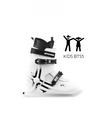
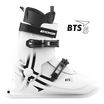
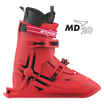
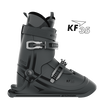







The first hour on snow usually decides everything. You either feel that spark - control, progress, fun - or you spend the day fighting heavy gear, awkward falls, and that sinking thought that maybe skiing just is not for you. That is exactly why the novaskis vs skis conversation matters. For beginners, families, and skaters crossing over to snow, this is not a small gear choice. It changes how fast you learn, how safe you feel, and whether day one is exciting or frustrating.
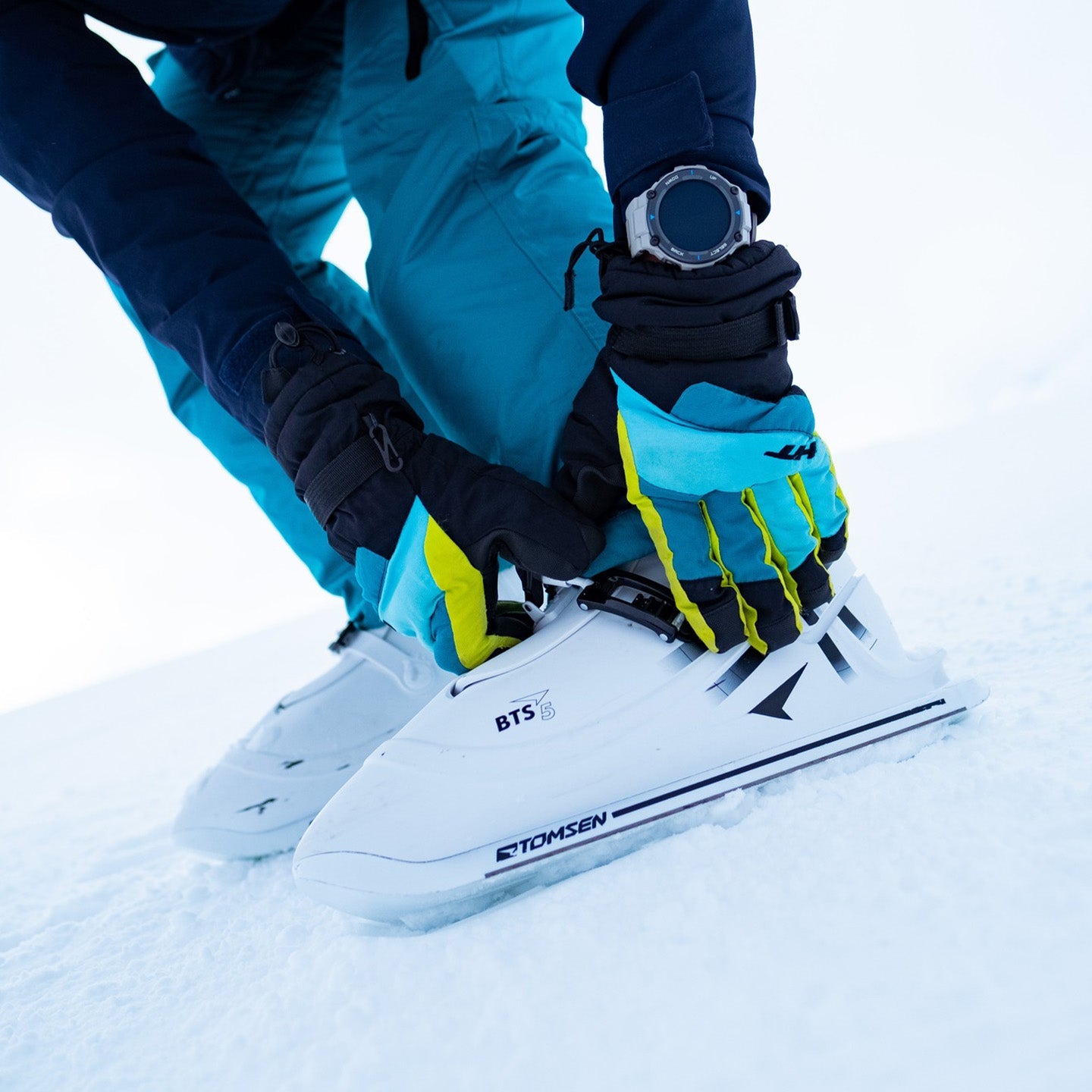
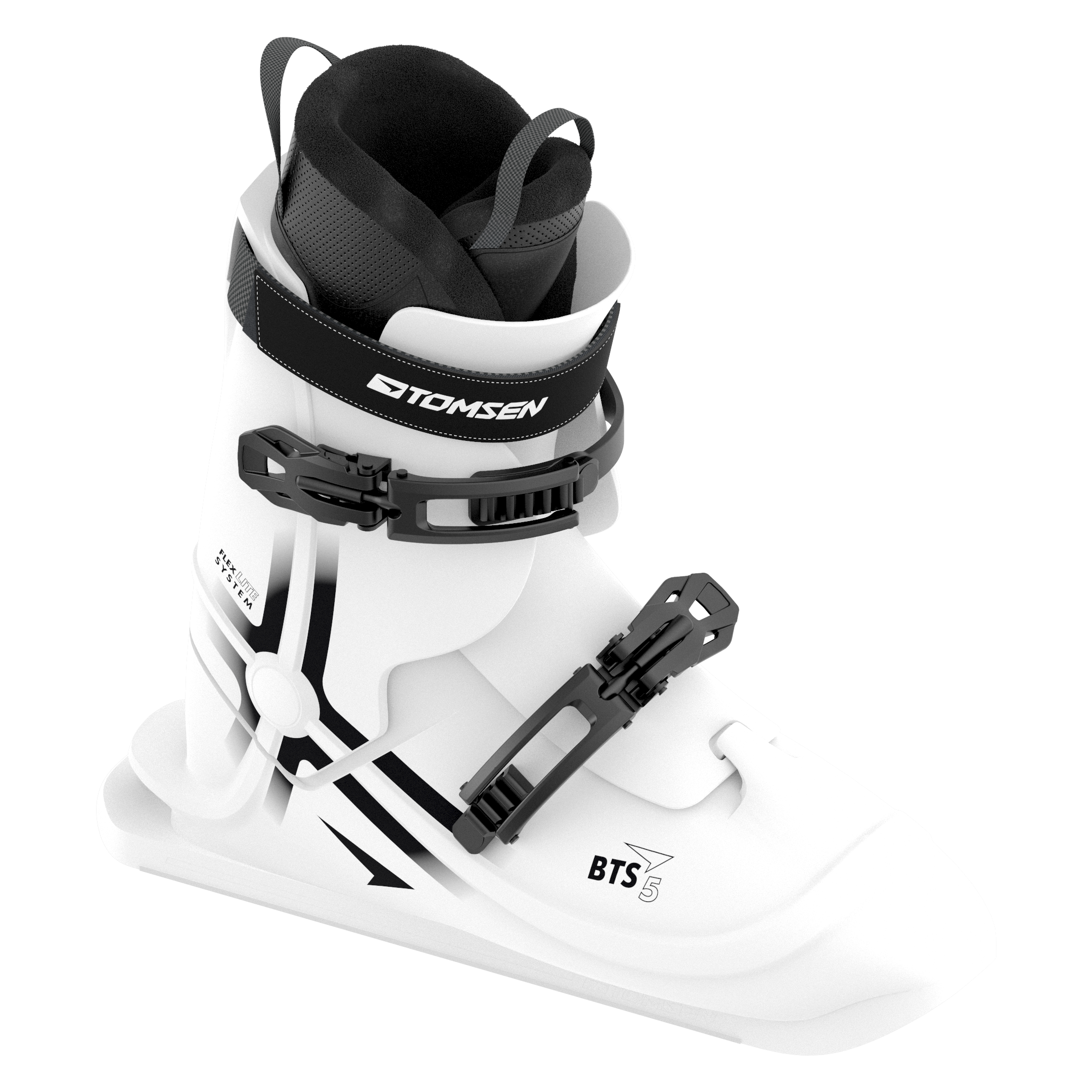
Traditional skis have history, prestige, and a deep skill ceiling. No question. But for a huge group of people, they also come with a long setup, a steeper learning curve, and more intimidation than fun. Novaskis were built to flip that script. They are a modern ski solution with the boot and ski integrated into one compact design, ready to ride straight out of the box.
Novaskis vs skis for beginners
If you are brand new to winter sports, the biggest difference is not theory. It is confidence.
Traditional skis are longer, separate from the boot, and demand more from your first few hours. You need to get used to the length, manage crossing tips, balance on a bigger platform, and handle equipment that can feel bulky before you even start learning real movement. For some people that challenge is part of the appeal. For many others, it is the exact reason they quit.
Novaskis take away a lot of that friction. Because the ski is integrated with the boot, the setup feels simpler and more connected to your body. There are no detachable parts to wrestle with. The shorter format feels less overwhelming. Beginners often find it easier to stand, move, stop, and turn without that classic first-day panic.
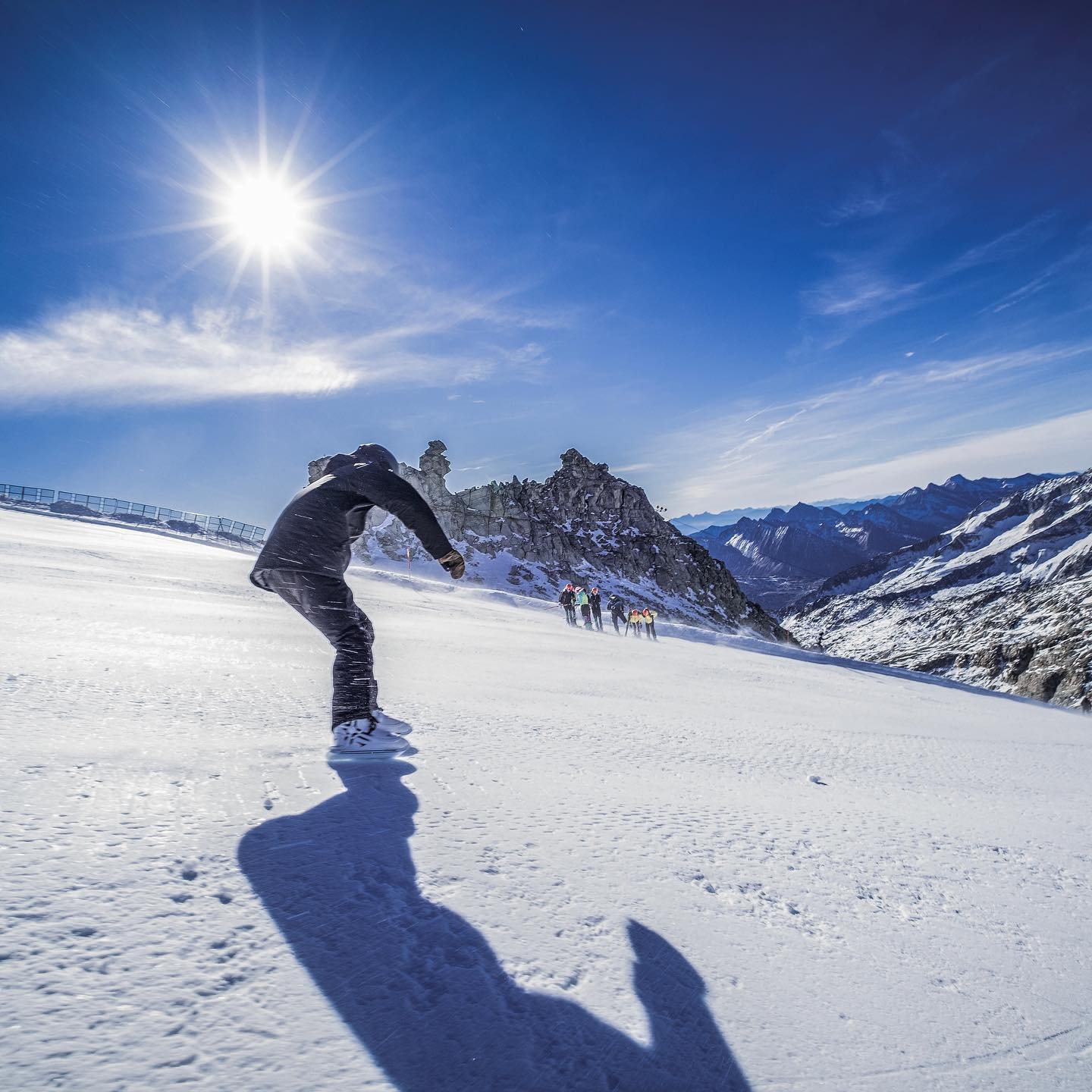
That is the big shift. Novaskis are designed for immediate enjoyment. Instead of spending half a day trying to feel stable, many riders start feeling real control within 1 to 2 hours. Compared with the 1 to 2 days many people need to feel comfortable on traditional skis or snowboards, that is a huge difference.
How novaskis vs skis feels on the mountain
On traditional skis, your stance and movement pattern are more specialized. Once learned, that can deliver a very classic alpine experience with strong speed potential and technical range. But the learning process asks more from the rider. Small mistakes can get amplified fast, especially when nerves kick in.
Novaskis feel more intuitive for people coming from hockey, figure skating, rollerblading, or inline skating. That is no accident. If you already understand edge control, lower-body balance, and quick directional movement, the transition can feel natural. Instead of learning a totally foreign setup, you are adapting familiar instincts to snow.
That does not mean Novaskis and skis are interchangeable. They are not. Traditional skis still make more sense for people who want the full conventional alpine path, especially those focused on long-term technical progression in that system. But if your goal is to get moving quickly, feel in control early, and actually enjoy the day, Novaskis have a clear edge.
Safety and falls
This is where the comparison gets personal fast.
A lot of new skiers are not worried about style or tradition. They are worried about falling hard, getting hurt, and spending the whole day tense. That fear changes how people move. It makes them stiff, hesitant, and slower to learn.
Traditional skis can be unforgiving in beginner situations. The longer shape and detached system can create awkward moments when balance breaks down. That does not mean skiing is inherently unsafe, but it does mean beginners often face a steeper risk-reward equation while they are still figuring out the basics.
Novaskis were built around safer learning. The compact integrated design gives riders a more controlled, planted feel. For many new users, that means less fear and fewer chaotic beginner moments. When people feel safer, they commit more naturally to movement. And when they commit, they improve faster.
That is one of the most underrated parts of the novaskis vs skis debate. Safety is not just about injury statistics. It is about how safe a product feels in the learning phase. Feeling secure changes everything.
Gear complexity and convenience
There is the sport itself, and then there is all the stuff around it.
Traditional skiing usually means boots, skis, bindings, poles for many riders, and the whole routine of carrying, clicking in, adjusting, and dealing with more separate equipment. If you are experienced, that is normal. If you are new, it can feel like a project before the fun even starts.
Novaskis strip that down. The all-in-one concept makes the experience simpler from the first minute. Less gear to manage. Less to carry. Less to figure out. That matters more than people think, especially for families with kids, travelers, and casual riders who want a smooth day, not a gear puzzle.
Portability is another real advantage. Traditional ski setups are long and awkward to transport. Novaskis are compact and practical, which makes them easier to bring along, store, and handle on and off the slopes. That kind of convenience does not sound glamorous, but it removes a lot of the barriers that keep people from going again.
Cost matters more than the industry admits
Winter sports can get expensive fast.
With traditional skis, you are often building a setup piece by piece. Skis, boots, bindings, and accessories add up quickly. If you are just testing the sport or buying for multiple family members, the total cost can be a real barrier.
Novaskis are appealing partly because they simplify the purchase, not just the ride. A complete integrated solution can be significantly more affordable than a traditional ski or snowboard setup. For value-conscious buyers, that changes the math. You are not paying for complexity you may not even want.
This is especially important for first-timers. Spending big on a setup with a steep learning curve is a tough sell. Spending less on something easier to learn and more approachable makes far more sense for many people.
Who should choose traditional skis?
There are still plenty of cases where traditional skis are the better fit.
If you already love alpine skiing, want the classic experience, and enjoy the process of building technique over time, traditional skis remain a strong choice. They also suit riders who are committed to that specific style of progression and want equipment that matches established resort norms and instruction systems.
For advanced skiers who measure fun by carving performance, speed, and deep technical refinement within traditional skiing, conventional skis still hold their ground. There is no need to pretend otherwise.
But that is not the whole market. Not even close.
Who should choose Novaskis?
If you want to learn fast, reduce fear, simplify gear, and get more fun from your first day, Novaskis make a lot of sense.
They are especially attractive for beginners, families, casual vacation riders, and crossover athletes from skating backgrounds. They also fit people who care more about usability than tradition. If you are thinking, I do not need the hardest way to enter winter sports, you are probably the right kind of rider for this product.
That is where Tomsen Sports has pushed the category forward. Instead of asking new riders to adapt to old-school complexity, it offers a modern way to ski that feels built for how people actually want to start.
The real question behind novaskis vs skis
The real question is not which product has more heritage. It is which one gives you the experience you actually want.
If your goal is to follow the traditional alpine route, skis are still the standard. If your goal is to get on snow, feel good fast, stay safer, and keep coming back for more, Novaskis are a serious upgrade over the old beginner experience.
That is why this comparison matters now. Too many people assume winter sports have to be hard, expensive, and intimidating at the start. They do not. Better design changes who gets to enjoy the mountain.
The best gear is not the gear that impresses the lift line. It is the gear that gets you smiling sooner, progressing faster, and wanting one more run before the day ends.


Leave a comment
Ezt a webhelyet a hCaptcha rendszer védi, és a hCaptcha adatvédelmi szabályzata, valamint szolgáltatási feltételei vonatkoznak rá.