









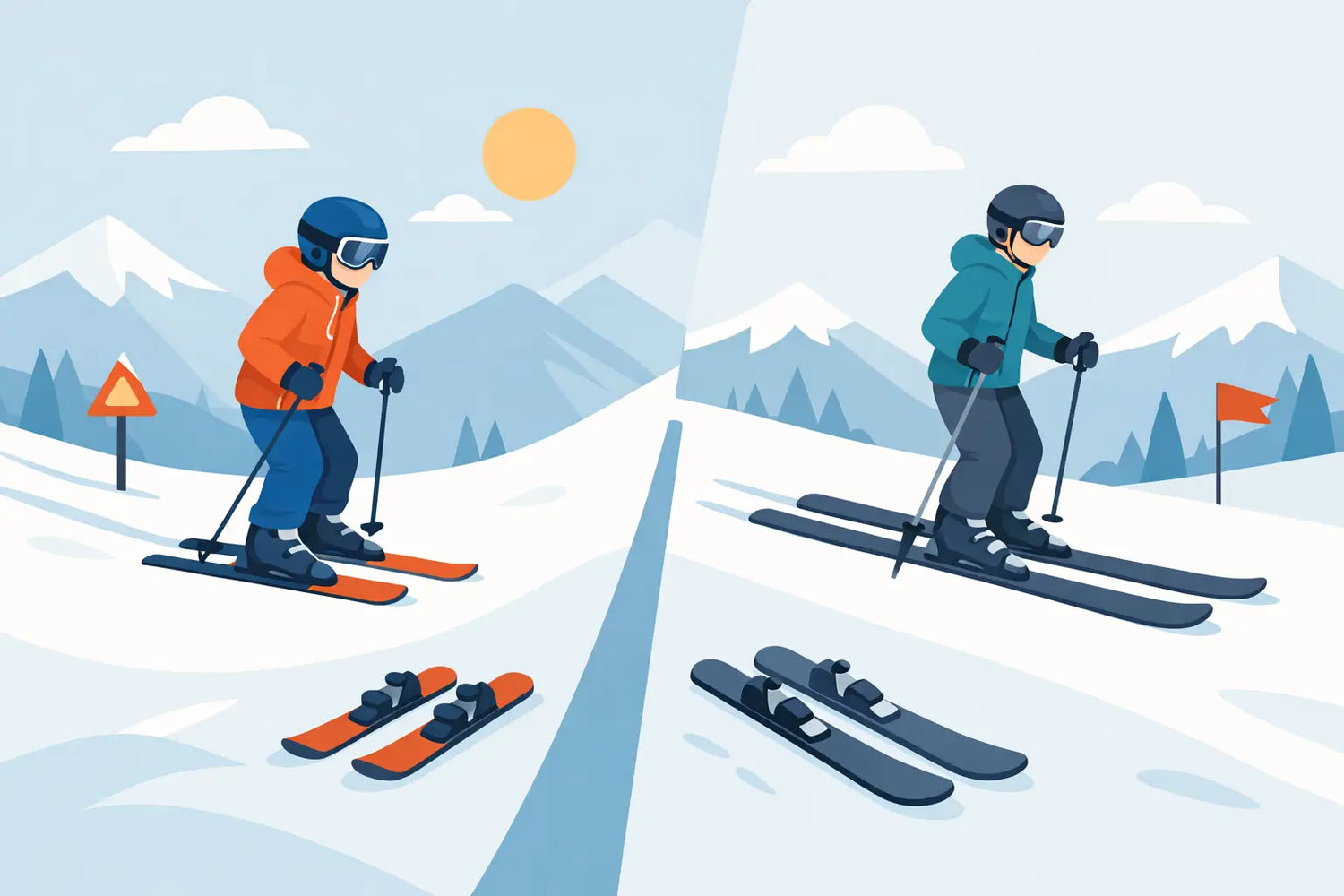
The first scary moment on snow usually comes fast - you pick up speed, your skis feel longer than your legs, and suddenly stopping seems way harder than it looked from the lift line. That’s exactly why so many people ask, are short skis safer?
The honest answer is yes, often they are - especially for beginners, cautious riders, and anyone who wants more control early on. But safer does not mean risk-free, and shorter is not automatically better in every condition. Safety on snow comes from a mix of equipment, terrain, skill level, and how quickly you can react when things get messy.
If your goal is to learn faster, feel less intimidated, and spend more time actually enjoying the slope, shorter skis can be a very smart move.
Are short skis safer in real-world skiing?
For a lot of new riders, yes. Shorter skis are generally easier to manage because they require less effort to turn, less leverage to control, and less commitment when you want to slow down or change direction. That matters most in the first few hours, when your body is still figuring out balance, edging, and basic stopping.
Long traditional skis can feel stable once you know what you’re doing, but to a beginner they often feel like extra equipment to wrestle with. More ski in front of and behind your foot can make every movement feel slower and bigger. If you get off balance, there’s simply more material that can cross, catch, or swing wider than you expect.
Shorter skis reduce that problem. They feel more responsive. They are usually less intimidating when you look down. And when people feel less intimidated, they tend to stay looser, move more naturally, and panic less. That alone can make the learning experience safer.
Why shorter skis often feel easier to control
Most beginners are not looking for race-level speed or perfect carving angles. They want to stand up, glide, turn, and stop without feeling like they are one mistake away from a yard sale.
That is where shorter skis shine. They usually have a smaller turning radius, so initiating a turn takes less work. They also feel lighter and less cumbersome, which helps when your technique is still rough. If you come from hockey, figure skating, or inline skating, that quick, compact feel can seem much more natural than a long alpine ski.
There’s also a practical side to safety. When equipment feels easier to manage, people fatigue less quickly. Tired legs and overloaded brains are a bad combination on the mountain. A setup that helps you stay in control with less effort can lower the odds of those late-run mistakes that cause falls.
Where short skis are safer - and where they are not
This is where the answer gets more interesting.
Short skis are often safer at slower to moderate speeds, on beginner terrain, in learning environments, and for riders who are still building confidence. They can make basic movements more accessible and reduce the awkwardness that causes many first-day falls.
But there are trade-offs. At higher speeds, longer skis usually offer more stability. In chopped-up snow, deeper powder, or aggressive carving, extra length can help smooth things out. A very short ski may feel twitchier if you push it beyond the kind of terrain or speed it was designed for.
So if the question is simply, are short skis safer, the real answer is this: they are usually safer for the person and the conditions they are meant for. Beginners on groomed runs? Very often yes. Advanced riders bombing steep terrain at speed? Not automatically.
That is why ski length should match the job. The safest setup is not the one that sounds most technical. It is the one that helps you stay balanced, turn predictably, and avoid situations that get out of control.
Safety is not just about ski length
People love one-variable answers. Snow sports rarely work that way.
A shorter ski can help, but safety also depends on boot support, edge grip, binding setup, posture, slope choice, visibility, and how crowded the run is. A nervous beginner on an icy blue run in bad light is not suddenly safe just because their skis are shorter.
Technique matters too. If you lean back, lock your knees, and try to muscle every turn, even forgiving gear can only do so much. On the other hand, if your equipment helps you find a centered stance faster, that creates a much safer foundation from the start.
This is one reason modern alternatives to traditional ski setups are getting so much attention. Simpler gear can remove layers of friction from day one. Less complexity. Less gear to fight. Less time spent trying to understand what your feet are doing.
Why beginners quit - and what safer gear changes
A huge number of people give up skiing or snowboarding on their first day. Usually it is not because they hate snow. It is because the experience feels harder, scarier, and more physical than expected.
Fear changes how people move. They stiffen up. They overcorrect. They stop looking where they want to go. Then they fall, get embarrassed, get tired, and start thinking winter sports just are not for them.
Safer-feeling equipment can break that cycle. When your gear responds quickly and feels manageable, your first wins come earlier. You make a few turns. You stop on purpose. You realize you are not just surviving - you are actually skiing.
That confidence matters. Progress is not only about skill. It is also about reducing fear enough that your body can learn.
Are short skis safer for kids and families?
Often, yes. Families usually care about one thing above all else: can everyone have fun without spending the whole day stressed out?
For kids and cautious adults, shorter skis are typically easier to carry, easier to maneuver, and easier to recover with after small mistakes. That can make the whole mountain experience feel lighter from the parking lot to the bunny hill.
Still, sizing has to be appropriate. Skis that are too short can create their own problems, especially if a rider gains speed quickly or moves onto terrain that requires more stability. The point is not to go as short as possible. The point is to choose a setup that feels intuitive and confidence-building.
A better question than are short skis safer
The better question is: what setup helps you stay in control the fastest?
That is where a lot of traditional advice misses the mark. Many people do not need equipment built around old-school expectations of how skiing should feel. They need equipment built around how learning actually happens. Fast feedback. Easy turning. Less intimidation. More fun in less time.
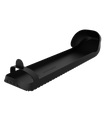
That is exactly why compact, integrated ski systems have become so appealing to first-time and crossover riders. Tomsen Sports built Novaskis around that idea - a simpler, safer-feeling way to get on snow without dealing with the bulk and learning curve of traditional ski or snowboard setups. For many riders, especially those coming from skating sports, that kind of control feels natural almost immediately.
So, are short skis safer?
For many beginners, yes. They can be easier to turn, easier to stop, less intimidating, and more forgiving in the moments that matter most early on. That can reduce falls, lower fear, and help new riders progress faster.
But the smartest answer is still it depends. Shorter skis are not magic. They are safer when they match the rider, the speed, and the terrain. Go too long and learning can feel clumsy. Go too short for the wrong use case and stability can suffer.
The win is not choosing the most traditional setup. The win is choosing one that helps you feel in control from your first run, because when skiing feels less scary, it gets a lot more fun - and that is when people actually stick with it.



Commenta
Questo sito è protetto da hCaptcha e applica le Norme sulla privacy e i Termini di servizio di hCaptcha.