

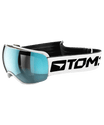





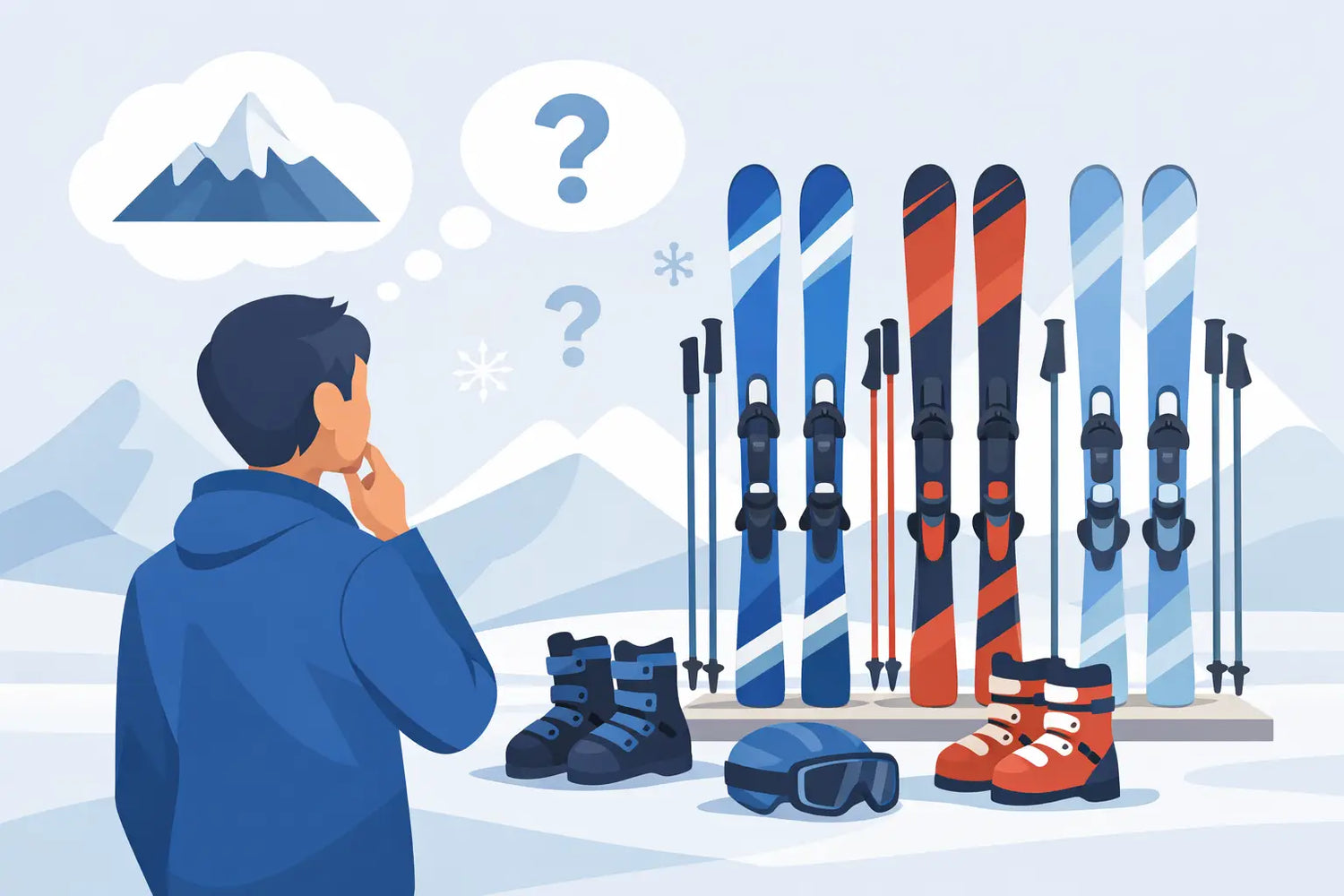
You do not need a three-day crash course, a roof rack full of gear, and a high pain tolerance to enjoy your first day on snow. If you are wondering how to choose beginner Novaskis, the real goal is simple: pick a setup that feels stable fast, keeps the learning curve low, and lets you start having fun before your legs are cooked.
That matters more than most beginners realize. A lot of people quit skiing or snowboarding on day one because the gear feels awkward, the setup is complicated, and progress comes too slowly. Beginner Novaskis flip that experience. They are built to be easier to use, easier to carry, and much less intimidating for first-timers who want confidence right away.
What beginner Novaskis should actually do
The best beginner setup is not the most aggressive, the most expensive, or the one that looks the most advanced on paper. It is the one that helps you control speed, find your balance quickly, and make clean turns without fighting the equipment.
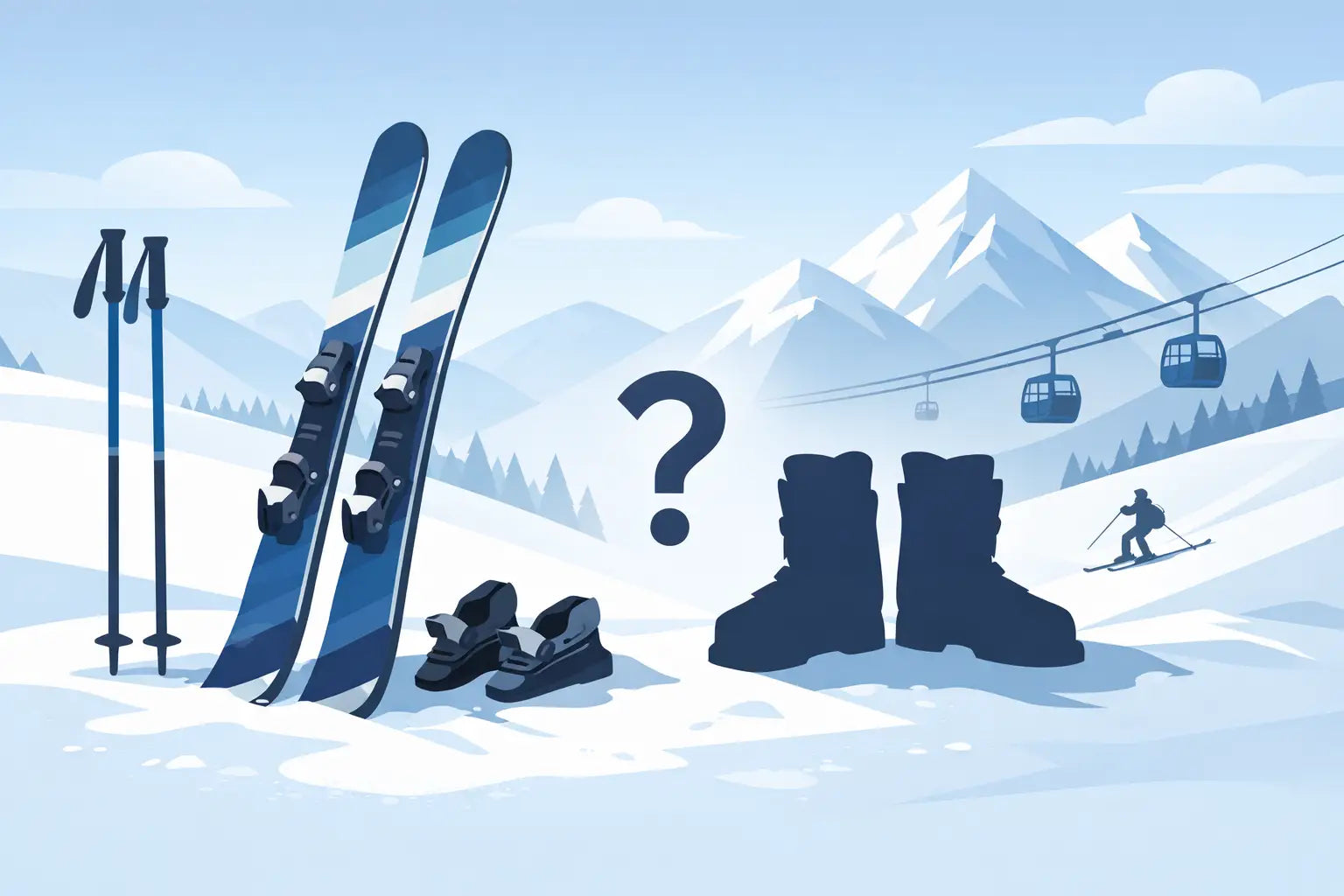
That is why shorter, integrated ski systems make so much sense for entry-level riders. With beginner Novaskis, you are not dealing with separate skis, boots, and bindings. You step into one complete product designed to work together straight out of the box. For a new rider, that means fewer variables, less setup stress, and a much more natural first session.
There is also a safety and comfort angle here. Traditional ski setups can feel long, clunky, and unforgiving when you are still figuring out stance and edge control. Beginner Novaskis are made for a more approachable ride. You get steel edges for control, but in a format that feels less overwhelming and easier to manage on and off the slope.
How to choose beginner Novaskis for your skill level
If you are brand new, stay honest about what "beginner" means. It does not mean you are athletic. It does not mean you skateboarded once. It does not mean you watched a few ski videos and now need advanced gear. It means you need the easiest possible path to your first smooth turns.
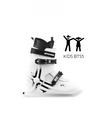
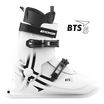
For true first-timers, the right choice is usually the most entry-focused model in the lineup. At Tomsen Sports, that is the BTS5. It is built for new riders who want maximum approachability, faster learning, and a more forgiving feel. If your priority is getting comfortable in hours instead of grinding through days of frustration, this is where you start.
Some riders get tempted to size themselves up into an intermediate option because they are strong, coordinated, or already confident on ice. That can work in a few cases, but it depends on your background. If you play hockey, figure skate, or spend time on inline skates, you may adapt faster because balance, edging, and lower-body control already make sense to you. Even then, faster adaptation does not always mean you need a less forgiving model on day one.
The sweet spot for most beginners is gear that lets skill build naturally. You want control first, then progression.
Your sports background changes the answer
Not all beginners start from zero. If you come from hockey, skating, or roller sports, you already understand weight transfer, edge pressure, and how to stay centered while moving. That makes beginner Novaskis especially appealing because the ride can feel more intuitive than traditional skiing.
Hockey players often adjust quickly because the stance and lower-body engagement feel familiar. Figure skaters tend to pick up edge awareness fast. Inline skaters usually like the compact feel and direct response. If that sounds like you, you may progress quickly, but a beginner-friendly model still gives you room to learn technique without punishing mistakes.
If you have no snow or skating background at all, that is fine too. In many ways, you are the exact person beginner Novaskis are made for. You want something that removes complexity, lowers the fear factor, and gets you moving with confidence in your first session.
Fit matters more than people expect
When people ask how to choose beginner Novaskis, they often focus on performance first. Fit should be right up there with it. If the boot section feels wrong, everything feels harder than it should.
A good fit should feel secure without crushing your foot. You want your heel held in place, your foot supported, and your stance stable. Too loose, and control gets sloppy. Too tight, and your first run becomes a countdown to discomfort.
Beginners sometimes assume they should size up for warmth or comfort. Usually, that creates the opposite result. Extra movement inside the boot reduces precision and can make you feel less stable. A more secure fit helps you trust the equipment sooner, which is a big part of learning fast.
If you are buying for a child or teen, resist the urge to overbuy for growth if it compromises control. A little room is one thing. A loose, unstable fit is another.
Think about where and how you will ride
Your ideal beginner setup also depends on where you plan to use it. Most first-timers are not hunting for high-speed performance or steep terrain. They want easy resort laps, mellow slopes, and enough control to build confidence.
That is why entry-level Novaskis should feel manageable at lower speeds and forgiving in basic turns. You want a setup that works with you while you learn stopping, turning, and balance. A beginner product should not demand expert input just to feel stable.
There is also the lifestyle side. One of the biggest advantages of Novaskis is convenience. They are easier to carry, easier to store, and less of a production to use than a full traditional ski setup. If you are a casual traveler, a parent helping kids gear up, or someone who just wants a fun winter session without a gear headache, that convenience is not a side benefit. It is part of the buying decision.
Price matters, but value matters more
A lot of beginners hesitate because winter sports can get expensive fast. That hesitation is fair. Traditional skiing and snowboarding often come with a long shopping list: boots, skis or board, bindings, bags, accessories, and all the little extras that somehow keep adding up.
Beginner Novaskis make more sense when you look at the full picture. Because the boot and ski are integrated into one complete product, the setup is simpler and often more cost-effective than building a traditional system piece by piece. That is especially appealing for first-timers who are not trying to become gear nerds before they even hit the snow.
Cheap gear is not the goal. Smart value is. The right beginner choice is the one that helps you learn faster, stay comfortable longer, and actually want to come back for day two.
Common mistakes when choosing beginner Novaskis
The biggest mistake is buying aspirationally instead of realistically. A lot of new riders choose gear for the rider they hope to become in six months, not the rider they are today. That usually slows progress instead of speeding it up.
Another mistake is ignoring ease of use. Beginners do better with equipment that feels intuitive from the start. If the setup adds friction before you even begin, it is working against the whole point.
The third mistake is underestimating confidence. Learning is not only physical. It is mental. Gear that feels safer, lighter, and more manageable helps beginners relax. Relaxed riders learn faster. Tense riders fight everything.
The simplest way to make the right choice
If you want the shortest answer to how to choose beginner Novaskis, here it is: choose the most beginner-focused model that matches your current ability, prioritize secure fit over guesswork, and favor control and comfort over aggressive performance.
For most first-time riders, that means starting with the entry-level option, not skipping ahead. If you already have a strong skating or hockey background, you may progress faster, but starting with a forgiving model is still the smart play. It gives you a fast win, and fast wins are what turn a first-day rider into someone who wants to keep going.
Winter sports should feel exciting, not like a gear exam. Pick the setup that gets you smiling sooner, and let your skill catch up from there.


Commenta
Questo sito è protetto da hCaptcha e applica le Norme sulla privacy e i Termini di servizio di hCaptcha.