







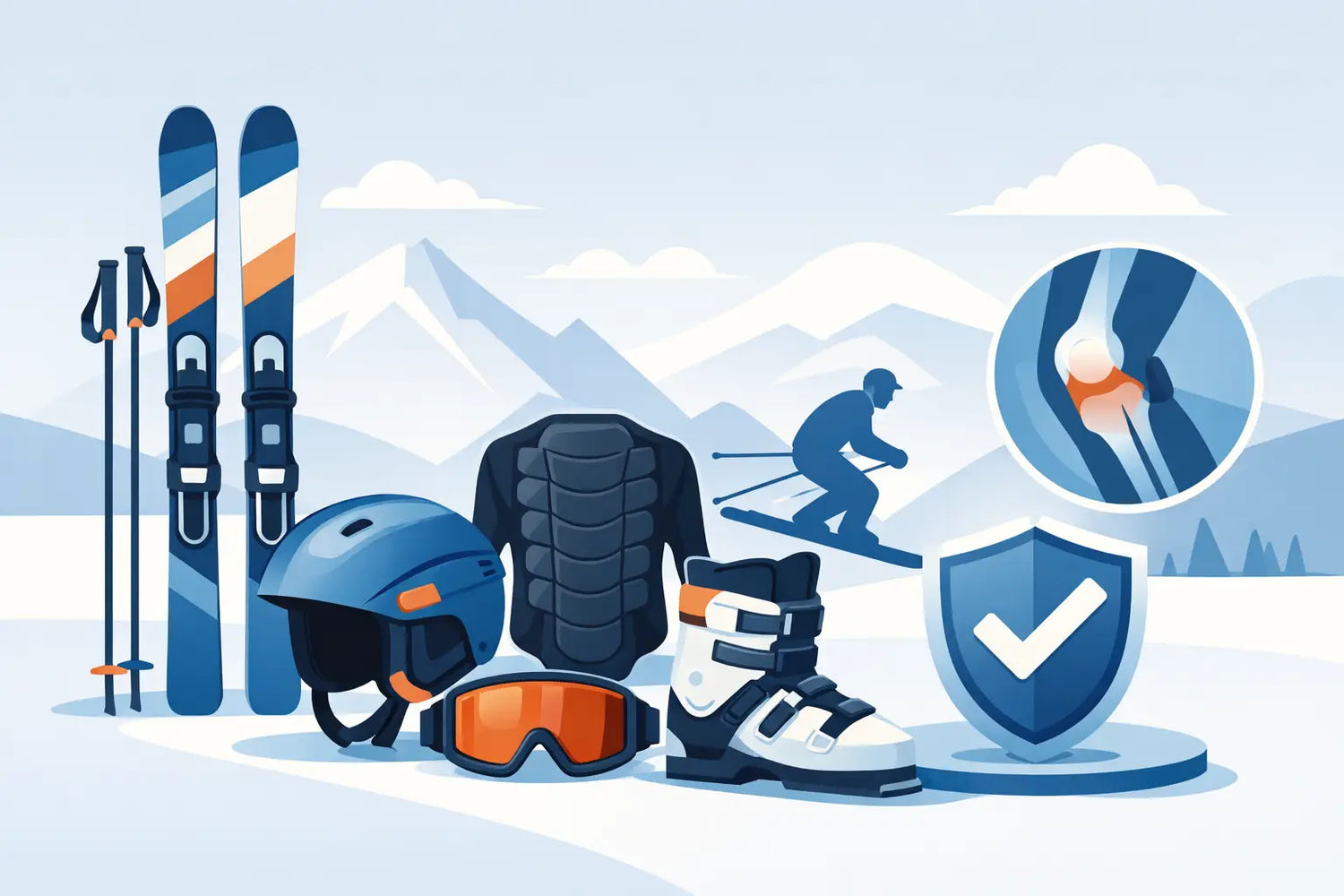
The fastest way to ruin a ski trip is not bad snow. It is fear. Fear of falling hard, twisting a knee, catching an edge, or spending half the day wrestling with gear that already feels complicated before you even reach the slope. That is exactly why more people are searching for ski gear with less injury risk - not because they want to play it small, but because they want to start strong.
For beginners, casual riders, and anyone crossing over from hockey, skating, or inline, safer gear is not about wrapping winter sports in bubble wrap. It is about reducing the most common barriers to progress. When gear is simpler, more stable, and easier to control, confidence goes up. And when confidence goes up, people actually keep going instead of quitting on day one.
What ski gear with less injury risk really means
A lot of people hear that phrase and assume it means soft padding and a helmet. Those matter, but they are only part of the picture. Lower-risk ski gear starts with design choices that make awkward falls, unstable movements, and setup mistakes less likely in the first place.
Traditional ski setups ask a lot from new riders. You have long skis, separate boots, bindings that need correct adjustment, poles for some users, and a stance that can feel unnatural at first. That system works well for experienced skiers, but for beginners it can create more moving parts, literally and physically. More complexity usually means more opportunities for error.
That is why the best lower-risk gear often comes down to three things: easier balance, simpler control, and fewer failure points. If a setup helps you stand naturally, turn predictably, and spend less time fighting your equipment, that is a real safety advantage.
The biggest injury risks beginners actually face
Most new riders do not get hurt because they were charging black diamonds. They get hurt in basic moments. Getting off a lift awkwardly. Crossing uneven snow. Losing balance at low speed. Falling while trying to stop. Catching an edge because their body and equipment are out of sync.
The risk is often highest in that gap between excitement and skill. People want to have fun right away, but traditional skiing and snowboarding can take a full day or more before they feel even remotely comfortable. That learning curve creates tension, and tension creates stiff movements. Stiff movements lead to clumsy falls.
This is where gear choice matters more than many people realize. If a product reduces the need for advanced technique early on, it can cut down on those beginner mistakes. Not every safety gain comes from protection after impact. A lot of it comes from making impact less likely.
Why simpler gear often leads to safer first days
There is a reason so many first-timers give up quickly. They are not lazy. They are overwhelmed. Complex equipment can turn a fun winter activity into a mechanical checklist.
Simpler gear removes friction. You spend less mental energy on setup and more on movement. That matters because beginners learn best when the feedback loop is clean. Lean, glide, stop, turn. If the gear responds in an intuitive way, the body adapts faster.
That is one of the strongest arguments for modern alternatives built around integrated design. A ski system with fewer detachable parts can reduce setup errors and feel more approachable from the first run. For the right user, that can mean less hesitation, fewer awkward motions, and a better chance of staying upright.
How integrated ski systems change the risk equation
If you are comparing ski gear with less injury risk, integrated ski systems deserve a serious look. Instead of treating boots, bindings, and skis as separate pieces that must all work together perfectly, integrated systems combine the experience into one product designed to be used straight out of the box.
That changes a lot. First, it cuts complexity. There is less equipment to carry, adjust, clip in, and troubleshoot. Second, it can improve the feeling of direct control because the foot and ski move as one unit. Third, it tends to feel less intimidating for people who are not interested in mastering traditional gear rituals before they even start skiing.
For many beginners, that ease is not just convenient. It is protective. When a rider feels in control sooner, they are less likely to panic, overcorrect, or freeze up. Those reactions are common in early falls and strain injuries.
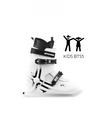
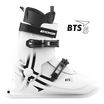
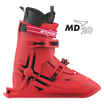
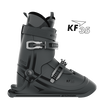
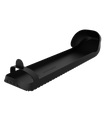
Tomsen Sports built its Novaskis around that exact gap in the market. The concept is bold but simple: an integrated ski boot with steel edges that works right away, feels more natural for new users, and is designed around easier learning and lower injury risk. That matters for families, first-time slope visitors, and crossover athletes who want more fun and less friction.
Who benefits most from lower-risk ski gear
Not everyone needs the same setup. That is the honest answer.
If you are an advanced alpine skier who loves speed, carving precision, and a highly technical setup, traditional skis may still be your lane. But if your priority is getting comfortable fast, avoiding the usual beginner wipeouts, and enjoying the mountain without a huge learning curve, lower-risk gear can be a better fit.
This is especially true for a few groups. Kids and families benefit because simpler equipment means less chaos and fewer frustrating moments. Casual vacation skiers benefit because they want fun now, not after two days of trial and error. Hockey players, figure skaters, and inline skaters also tend to adapt quickly to gear that rewards edge control and natural lower-body balance without forcing them into a totally unfamiliar movement pattern.
The gear features worth paying attention to
Not every product marketed as safer actually is. Some just add padding and call it innovation. Real improvements usually show up in function.
Look for equipment that feels stable underfoot and does not require complicated assembly or calibration to get started. Integrated construction can help. So can a design that keeps movement intuitive and reduces the chance of tangled parts or awkward detachment. Strong edge control matters too, especially on packed snow where beginners often struggle with stopping and turning.
Fit also matters more than people think. Loose, clunky, or overly technical gear can force unnatural movement and increase fatigue. When people get tired, their form falls apart. That is when avoidable falls happen.
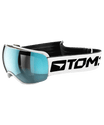
Helmets and goggles still matter, of course. A good helmet is non-negotiable, and clear vision is part of safe decision-making on the slope. But those are support items. The bigger question is whether the main equipment helps you move confidently from the start.
The trade-off nobody should ignore
Lower injury risk does not mean zero risk. Snow sports are still snow sports. You can still fall. You can still overestimate your ability. You can still make bad decisions in bad conditions.
There is also a trade-off between accessibility and specialization. Some beginner-friendly gear is designed to shorten the path to fun, not to mimic every performance characteristic of high-level alpine skis or snowboards. That is not a flaw. It is a purpose. But it does mean buyers should be clear about their goal.
If your goal is to learn fast, feel safe, and enjoy the mountain sooner, that trade-off is often worth it. If your goal is elite technical progression in traditional disciplines, you may want a different tool.
Faster learning is a safety feature
This point gets missed all the time. People talk about speed of learning as if it is just a convenience perk. It is more than that.
When you learn faster, you spend less time in the danger zone between trying and controlling. You stop flailing sooner. You build reliable braking and turning sooner. You gain the kind of confidence that reduces panic decisions. That is why easier progression can directly lower injury risk.
For first-timers, this is huge. A product that helps riders feel the basics within one to two hours instead of one to two days changes the whole experience. It shifts the day from survival mode to actual enjoyment. And once people feel successful, they are more likely to stay relaxed, make smarter choices, and keep improving.
Choosing the right setup for your skill level
The smartest gear is the gear that matches where you are right now, not where you imagine yourself six seasons from now. Beginners should not shop like experts. They should shop for confidence, comfort, and control.
Entry-level riders need the easiest possible path to balance and basic turning. Intermediate users usually want more responsiveness without giving up that approachable feel. More advanced riders may want a sharper, more athletic setup while still avoiding the hassle and bulk of traditional systems.
That is a better way to think about progression. Not harder gear for the sake of it. Better-matched gear that keeps the ride fun and the risk manageable.
The best winter gear does not just help you perform. It helps you show up without dread, learn without drama, and leave the slope wanting one more run. If your equipment can do that while reducing the usual beginner mistakes, you are not choosing the easy way out. You are choosing the smart way in.


Commenta
Questo sito è protetto da hCaptcha e applica le Norme sulla privacy e i Termini di servizio di hCaptcha.