











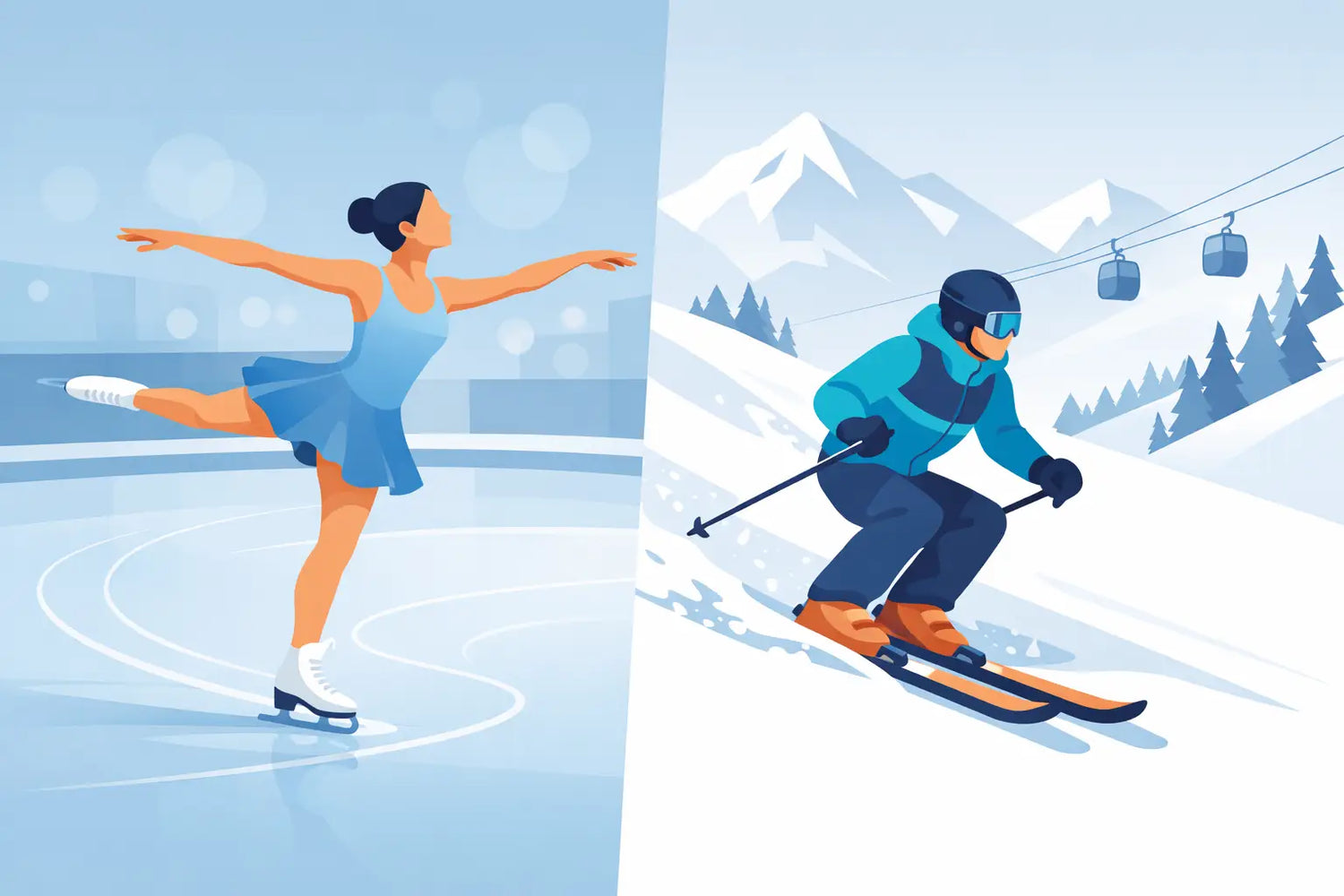
Figure skaters usually notice it fast: the first time they stand on snow, some parts feel oddly familiar and some feel completely wrong. That is exactly why skiing for figure skaters can be such a good crossover sport. You already understand edges, balance, pressure, and lower-body control. But snow does not react like ice, and that difference matters more than most people expect.
The good news is that figure skaters are rarely starting from zero. The habits built on the rink can make the move to snow feel less intimidating, especially if the setup is simple and the learning curve is not stacked against you from the start. That is where the right approach makes all the difference.
Why skiing for figure skaters makes sense
Figure skaters spend years building body awareness that most first-time skiers do not have. You know how to stay centered over your feet. You know how small shifts in pressure change direction. You know what happens when you get too far back, and you know how much control comes from ankles, knees, and hips working together.
That foundation carries over.
Edge awareness is probably the biggest advantage. A figure skater already understands that movement starts from the feet and that control is not just about strength. It is about timing and precision. On snow, that instinct helps. So does comfort with glide. Many beginners freeze because sliding feels unnatural. Figure skaters usually do not have that fear in the same way.
There is also a mental advantage. Skaters are used to learning through movement, not overthinking every detail. That makes it easier to trust the process and adjust quickly.
Still, crossover does not mean copy and paste. Skiing is not skating with colder scenery.
What transfers from skating to skiing
A lot transfers, but not always in the way people assume.
Balance is the obvious one. Figure skaters are used to dynamic balance, not just standing still. That matters on snow, where the surface is constantly changing. If you can stay calm while moving, you are already ahead.
Edge control transfers too, especially the feeling of pressure through the inside and outside of the foot. You may not use your edges the same way on snow as you do on a blade, but the awareness is valuable.
Lower-body strength helps a lot. Skaters usually have strong quads, glutes, and stabilizers, which can make learning turns and absorbing terrain feel less exhausting. Rhythm helps as well. Skiing has flow. Good skaters tend to pick up that rhythm faster than people who are new to sliding sports.
Then there is posture. Figure skaters know how alignment changes everything. That is useful right away.
What does not transfer as cleanly
This is where many figure skaters get surprised.
On ice, the surface is consistent and the blade is narrow. On snow, there is more friction, more variation, and a completely different relationship with the ground. If you try to force skating mechanics onto skis, you can end up fighting the equipment.
The biggest issue is usually stance. Figure skaters often carry themselves tall and elegant, which works beautifully on the ice. On snow, that can leave you too upright. Skiing usually demands a more athletic position with more flex in the ankles and knees, especially when speed builds.
Rotation can also be tricky. Skaters are comfortable turning from the upper body, but in skiing that can create problems if the shoulders start doing too much. Snow rewards a quieter upper body and cleaner pressure through the lower half.
Stopping is another adjustment. A hockey stop on ice and a stop on snow are not the same feeling. Even very coordinated skaters often need a little time before stopping feels automatic.
So yes, you have a head start. But it still takes some relearning.
The biggest challenge is not talent. It is equipment.
A lot of figure skaters would enjoy skiing if the gear did not feel so complicated from the first minute.
Traditional ski setups can be a lot. Boots, bindings, poles, length choices, carrying everything, clipping in, getting comfortable on lifts, and then trying to learn on equipment that feels big and awkward. That is often where confidence drops. Not because the person lacks ability, but because the setup creates friction before the fun starts.
For figure skaters, that disconnect can feel especially frustrating. You already know how to move. You already trust your body. But bulky equipment can make you feel clumsy in a way that does not match your actual skill level.
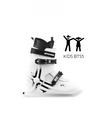
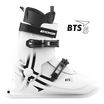
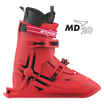
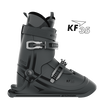
That is why simpler gear changes the experience. A shorter, easier-to-control setup can make skiing feel more intuitive for skaters because it lets them focus on movement instead of wrestling with equipment. Products like Novaskis are built around that exact idea - faster learning, easier handling, and a lower barrier to entry for people who want the fun of skiing without the usual complexity.
For a figure skater trying snow for the first time, that matters more than theory.
Skiing for figure skaters: how to get comfortable faster
The smartest way to start is to treat your skating background as an advantage, not a guarantee. You do not need to become a different athlete. You just need to make a few clean adjustments.
Start by getting lower than you think you need to. Soft knees and active ankles will help you far more than a tall, graceful posture. On snow, athletic beats elegant.
Focus on staying centered. Figure skaters sometimes drift back when the surface feels unfamiliar, especially on even mild slopes. The moment you get too far back, control gets harder. Keep your weight over the middle of your feet and let your legs do the work underneath you.
Think about gliding, not forcing. Skaters who do well early usually stay patient and let the equipment move. The people who struggle often try to overpower every turn.
Also, give yourself permission to reset expectations. You may progress fast, but the sensations are still different. It is normal for one part to click immediately and another part to feel awkward for an hour.
Why shorter learning cycles matter
Most beginners do not quit winter sports because they hate the idea of them. They quit because day one feels too hard, too expensive, too cold, too technical, and not fun enough to justify the effort.
Figure skaters are less likely to be scared of movement, but they are still human. If the first session feels like an equipment battle, enthusiasm drops fast.
This is where a modern approach wins. Faster early success is not a nice extra. It is the difference between wanting one more run and wanting to go back to the lodge. Easier gear, safer-feeling control, and a more natural learning curve make snow sports more inviting for crossover athletes.
That is a big reason beginner-friendly ski alternatives are gaining attention. They are built for the way people actually learn. Not everyone wants a long apprenticeship just to enjoy the mountain.
Common mistakes figure skaters make on snow
The first is overconfidence. Good skaters often pick things up quickly, but snow still has its own rules. Respect the slope.
The second is staying too stiff through the ankles. On the rink, precision can come from a very refined, upright line. On snow, stiffness usually makes you feel less stable, not more.
The third is trying to turn with the shoulders. If the upper body starts swinging around, everything gets messier. Let the lower body guide the direction change.
The last one is choosing gear that makes learning harder than it needs to be. A lot of first-day frustration is not about ability at all. It is about using equipment that was never designed for quick confidence.
Is skiing a good fit for all figure skaters?
Mostly yes, but it depends on what you enjoy.
If you love glide, movement, balance, and learning through feel, there is a strong chance you will enjoy skiing. If you want a playful outdoor sport that uses skills you already have, the crossover is real.
If what you love most about figure skating is artistry, choreography, and precision on a clean surface, snow may feel less exact at first. It is more variable. More reactive. Sometimes a little messier. That does not make it worse. Just different.
For many skaters, that difference becomes part of the appeal. Snow feels freer. Less formal. More social. More about momentum and fun from the first session.
And that is the real opportunity here. Skiing for figure skaters does not have to mean starting over. It can mean starting smarter - with movement skills you already own and equipment that helps those skills show up faster.
If you are a skater who has always been curious about the slopes, trust the instinct. Your balance already knows more than you think. The right setup just helps your confidence catch up.


Commenta
Questo sito è protetto da hCaptcha e applica le Norme sulla privacy e i Termini di servizio di hCaptcha.