

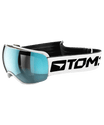





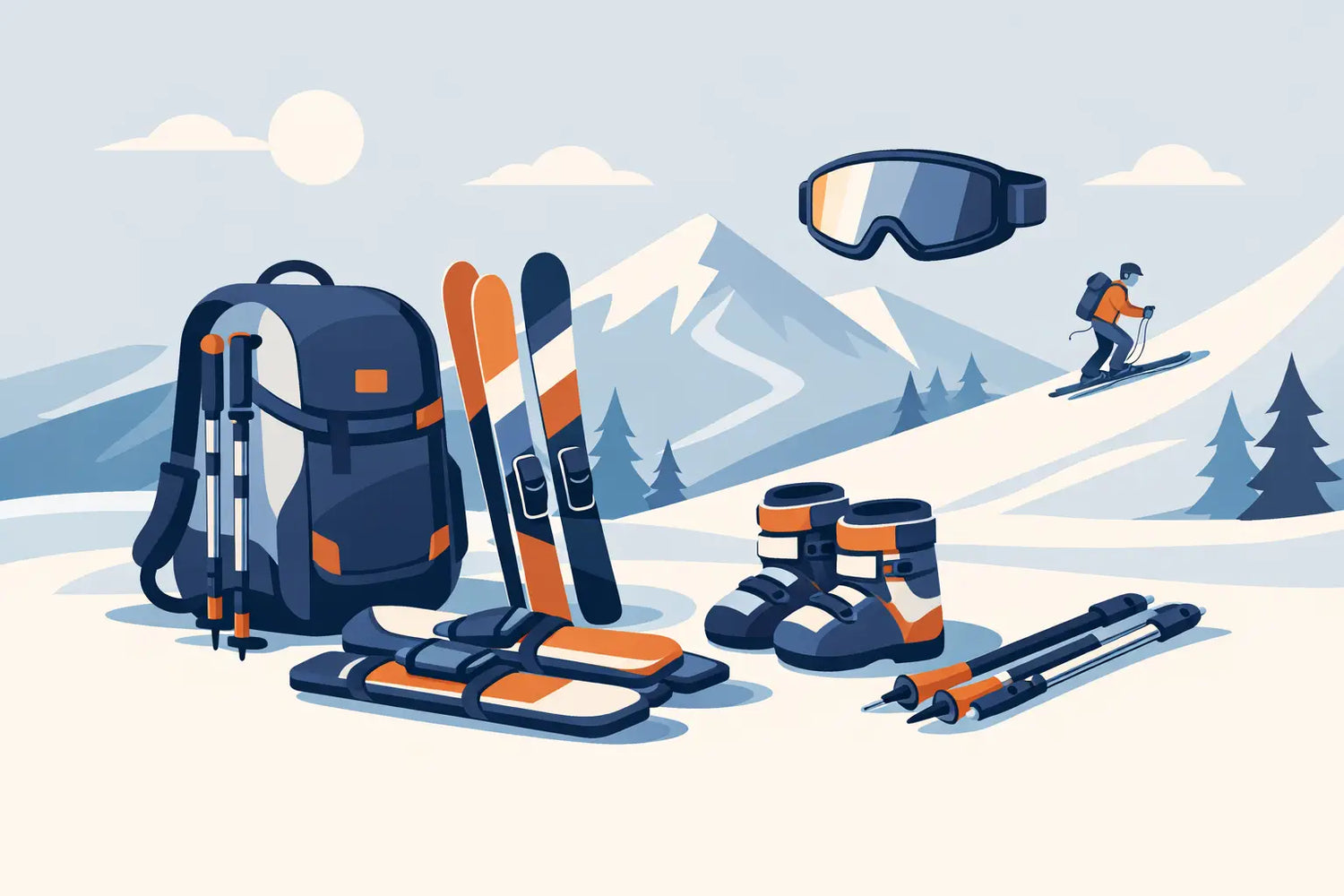
Dragging a full ski setup through a parking lot is one of those winter sports rituals nobody actually loves. The boots are awkward. The skis are long. The poles get tangled. And if you’re new, all that gear can make the whole sport feel harder before you even touch the snow. That’s exactly why portable ski equipment matters. It doesn’t just save space. It changes who feels confident enough to get started.
For a lot of people, the biggest barrier to skiing is not the mountain. It’s the gear. Traditional setups were built around performance first, convenience second. That works if you already know the drill and plan your winter around resort days. It works a lot less well for families, first-timers, casual travelers, and anyone crossing over from hockey, skating, or roller sports who wants a faster, simpler way in.
What portable ski equipment really means
Most people hear “portable” and think “lighter.” That’s only part of it. Truly portable ski equipment is easy to carry, easy to store, fast to put on, and less annoying from the car to the lodge to the slope. It should reduce setup time, not just shave a few pounds.
That distinction matters because plenty of ski gear claims to be compact while still asking you to juggle separate boots, skis, bindings, poles, and bags. You may save a little room in the trunk, but the experience stays complicated. If the system still feels like a puzzle, it’s not really solving the problem.
For beginners, portability is tied directly to confidence. The fewer moving parts, the fewer opportunities to do something wrong, forget something important, or feel out of place. That’s not a small benefit. It’s one of the reasons so many people quit on day one.
Why portable ski equipment matters more than ever
Winter sports are competing with everything now. Weekend schedules are packed. Travel is expensive. Attention spans are shorter. People want fun faster, and they want gear that fits real life.
That’s where portable ski equipment has a real edge. When the setup is easier to transport and easier to understand, skiing becomes more spontaneous. A day trip feels doable. A family outing feels less chaotic. A first lesson feels less intimidating.
There’s also the cost side. Traditional ski setups often come with hidden complexity. More components usually mean more chances to upgrade, repair, replace, and overbuy. A simpler format can lower the total commitment, not just the carrying load.
This is especially relevant for people who are not chasing expert-level alpine technique. If your goal is to have fun, learn quickly, feel safe, and get down the slope with a smile, the smartest gear is not always the most traditional gear.
The biggest problem with old-school ski setups
Traditional skis were never designed for convenience. They were designed for a sport that assumed time, training, and tolerance for hassle. Long skis demand more storage. Separate boots and bindings add friction. Poles add one more thing to manage. Every extra part increases the odds of a clumsy start.
For experienced skiers, that may be normal. For everyone else, it can feel like an unnecessary test before the real activity even begins.
There’s also a safety and learning curve trade-off. Longer gear and more technical setups can offer advantages at higher speeds or in advanced conditions, but they can be less forgiving for new riders. If someone is still figuring out balance, stopping, and turning, a complex system does not always help.
That’s why a simpler, more integrated approach is gaining attention. It meets new riders where they actually are, not where the old industry expects them to be.
What to look for in portable ski equipment
The best portable setup starts with integration. If the boot and ski function as one system, you remove one of the biggest friction points right away. Less assembly. Less gear to carry. Less confusion at the slope.
Weight still matters, but balance matters more. Gear can be light and still awkward if it’s bulky or poorly designed. What you want is equipment that feels natural to carry and stable to use. That is a different standard than simply being stripped down.
Ease of learning should also be part of the conversation. A lot of brands talk about materials and construction, but beginners care about one thing first - can I actually use this without spending two full days falling and freezing? Portable ski equipment should support faster learning, not just easier transport.
Storage is another real-world test. Can it fit in a small car? Can it be packed without taking over an entire closet? Can parents manage it without turning every ski day into a logistics exercise? If the answer is no, it is not as portable as it sounds.
A smarter option for beginners and crossover athletes
This is where modern alternatives are changing the category. Instead of copying the old formula and trying to make it slightly smaller, some products rethink the setup completely. That’s a much bigger shift.
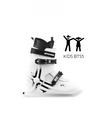
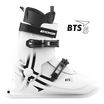
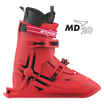
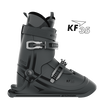
Novaskis are one example of that change. Rather than asking new riders to manage detachable parts and long equipment from day one, they combine the experience into a more approachable format with integrated skis and steel edges built right into the boot. The result is a ski solution that is easier to carry, easier to learn, and much less intimidating for first-time users.
That matters a lot for hockey players, figure skaters, and inline skaters. These athletes already understand balance, edging, and lower-body control. What they do not need is extra gear complexity. A compact, integrated setup lets them transfer existing skills much faster.
Families benefit too. Kids and parents both do better when equipment feels manageable. Less gear drama usually means more time actually having fun.
Portable ski equipment vs traditional gear
There is no single winner for every rider. That’s the honest answer.
If you’re an advanced alpine skier charging steep terrain all season, traditional skis may still be the better fit for your goals. They offer a familiar platform, wide category options, and high-end specialization. But that does not make them the best choice for everybody.
If you’re new to snow, heading out a few times a year, traveling light, or choosing fun over complexity, portable ski equipment can be the smarter call. It removes barriers that traditional gear often accepts as normal. And for many people, those barriers are exactly what kept them from progressing in the first place.
The key trade-off is simple. Traditional gear often favors top-end performance and convention. Portable systems favor access, ease, and speed to enjoyment. For a huge part of the market, that second list is more relevant.
Who benefits most from portable ski equipment
Beginners are the obvious group, but not the only one. Casual riders who do not want to rent or haul oversized gear gain a lot from a compact setup. Families appreciate anything that reduces stress. Travelers like gear that fits real baggage and real cars. Younger adults often want something social and fun, not something that feels like a technical exam.
Then there are the quitters waiting to happen - the people who might love winter sports if the first experience didn’t feel so punishing. This is the audience the old gear model often loses. Portable ski equipment gives them a better shot at success because it lowers the effort needed to get started and keeps the focus on movement, not equipment management.
That’s not a niche. That’s a massive group of people who have been underserved for years.
The future of skiing looks lighter, faster, and less intimidating
The winter sports industry has spent a long time asking newcomers to adapt to old systems. That is changing. People want products built around how they live now - easier to carry, faster to learn, safer to use, and more fun from the first session.
Portable ski equipment fits that shift perfectly. It reflects a bigger truth about growth in snow sports: more people will stick with skiing when the path in feels simple. Not dumbed down. Not watered down. Just smarter.
That’s the exciting part. Better portability is not just a design tweak. It’s a different philosophy. One that says winter sports should feel open, not exclusive.
If your gear makes the sport easier to say yes to, you’re already moving in the right direction.


Lasă un comentariu
Acest site este protejat de hCaptcha și hCaptcha. Se aplică Politica de confidențialitate și Condițiile de furnizare a serviciului.