

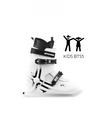
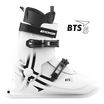
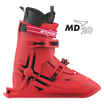
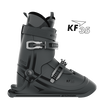







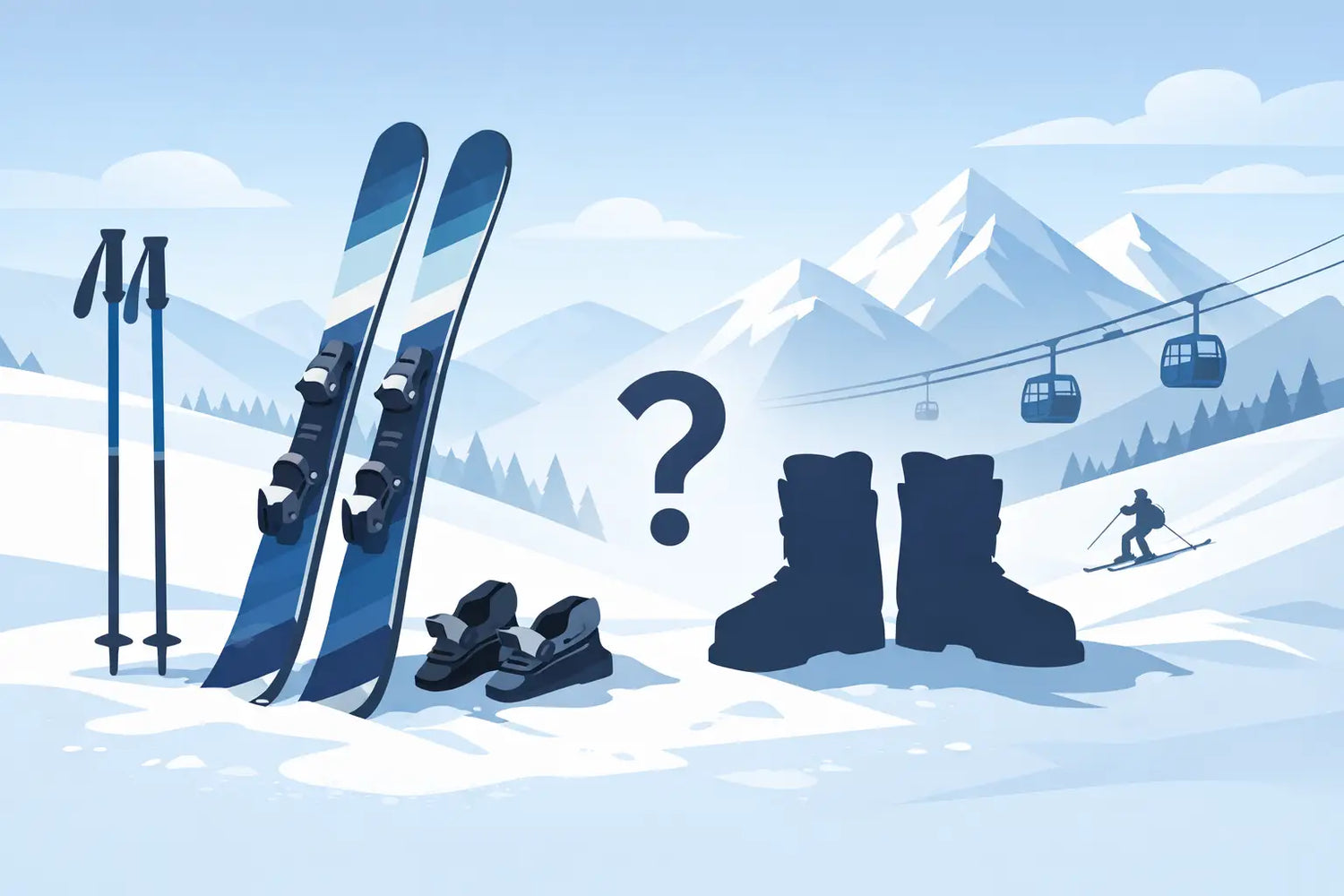
Dragging a pair of hard ski boots through the parking lot is one of those winter sports rituals people accept until they stop and ask a better question: why is this still the setup? If you are searching for ski equipment without boots, you are probably not looking for tradition. You are looking for less hassle, less pain, and a faster path to the fun part.
That is exactly where the category gets interesting.
For decades, skiing has meant separate skis, separate boots, bindings, and a learning curve that can feel way bigger than the mountain itself. That system works, especially for experienced skiers who want a very specific feel. But for beginners, casual riders, families, and people crossing over from hockey, skating, or roller sports, it can also feel overbuilt. Too many parts. Too much stiffness. Too much time spent figuring out gear before you ever figure out the slope.
What does ski equipment without boots actually mean?
Most of the time, people use this phrase when they want an easier alternative to the standard ski package. Technically, you still need something on your feet to ski safely. The real difference is whether the boot is a separate, rigid piece of equipment or part of an integrated system.
Traditional skiing splits everything into components. You wear hard boots. Those boots click into bindings. The bindings attach to skis. Every part has to match. Every part adds cost, weight, setup time, and another point of frustration for new riders.
Modern alternatives flip that model. Instead of buying separate skis and boots, you use an all-in-one system where the boot and ski work together right out of the box. That changes more than convenience. It changes how skiing feels in the first hour, how you move when you are off the slope, and how intimidating the whole experience is before you even start.
Why ski equipment without boots appeals to beginners
The biggest barrier in winter sports is not fitness. It is friction. Hard boots are uncomfortable to walk in, awkward to carry, and unfamiliar for people trying skiing for the first time. Add bindings, rentals, fit issues, and the pressure of learning in public, and it is no surprise so many people quit on day one.
Ski equipment without boots, or more accurately without separate ski boots, removes a huge chunk of that friction. You skip the clunky boot-binding setup. You reduce the amount of gear you need to manage. And you get something that feels more approachable from the start.
That matters a lot if you are the kind of rider who wants quick progress, not a long apprenticeship. It also matters if you are a parent trying to get kids excited about the snow without turning the morning into a gear battle.
For skaters and hockey players, the appeal is even stronger. If your body already understands edge control, balance, and lower-body movement, an integrated ski system can feel more natural than traditional alpine boots. Instead of forcing your body into a stiff, unfamiliar setup, it lets you tap into movement patterns you already trust.
The real trade-off: convenience vs traditional specialization
Here is the honest version. Traditional ski gear did not dominate the market by accident. Separate skis and boots offer a high level of customization, support, and performance tuning. Advanced alpine skiers often want exactly that. They care about boot flex, binding settings, ski profile, and terrain-specific performance.
So if you are chasing high-speed carving on aggressive terrain or you already love dialing in every part of a technical ski setup, ski equipment without boots may not be your priority.
But that is not most people.
Most people want gear that feels good fast. They want to learn without spending half the day wrestling with equipment. They want something safer, simpler, easier to carry, and easier to enjoy. In that context, the old trade-off starts looking less impressive. You are giving up some traditional adjustability, but you are gaining a much more accessible experience.
For a lot of riders, that is not a compromise. It is an upgrade.
Ski equipment without boots and the learning curve
This is where the difference gets real.
Traditional skiing often asks beginners to learn several things at once: balance on separate skis, confidence in hard boots, edging, stopping, turning, and simply getting comfortable with the feel of the gear. That is a lot of new input in a short time.
Integrated systems simplify the first step. Because the setup is more intuitive and less cumbersome, beginners can focus sooner on movement instead of equipment management. That creates faster confidence, and confidence changes everything. People who feel in control early are far more likely to keep going, improve, and actually enjoy themselves.
That is a big reason newer categories are getting attention. They are not trying to make winter sports look more technical. They are trying to make them easier to start and easier to love.
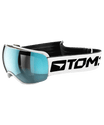
Tomsen Sports built its Novaskis around exactly that idea - a complete ski solution with no detachable parts, designed to be safer, easier to carry, and dramatically faster to learn than traditional ski or snowboard setups. For the right rider, that is not a small benefit. That is the whole point.
Who should consider ski equipment without boots?
If you are a first-time skier, this category makes immediate sense. You are not emotionally attached to traditional gear. You just want a simple way to get on snow and have a good time.
If you are a casual traveler who skis once or twice a year, it also makes sense. Owning or renting a full traditional setup can feel expensive and excessive when you are not chasing expert-level progression.
Families are another strong fit. Less gear complexity usually means less stress, faster transitions, and a better chance that kids stay excited instead of overwhelmed.
And if you come from hockey, figure skating, or inline skating, the appeal can be even bigger. You already know how to shift weight, stay centered, and use edges. A more natural, integrated ride can shorten the gap between what you know and what you are trying to learn on snow.
What to watch for before you buy
Not every alternative setup is automatically a great one. The big question is whether the product is truly designed as a complete skiing system or just marketed as a shortcut.
Look at stability first. New riders do not need more complexity hidden behind simpler branding. They need predictable control, quality materials, and a design that supports learning rather than punishes mistakes.
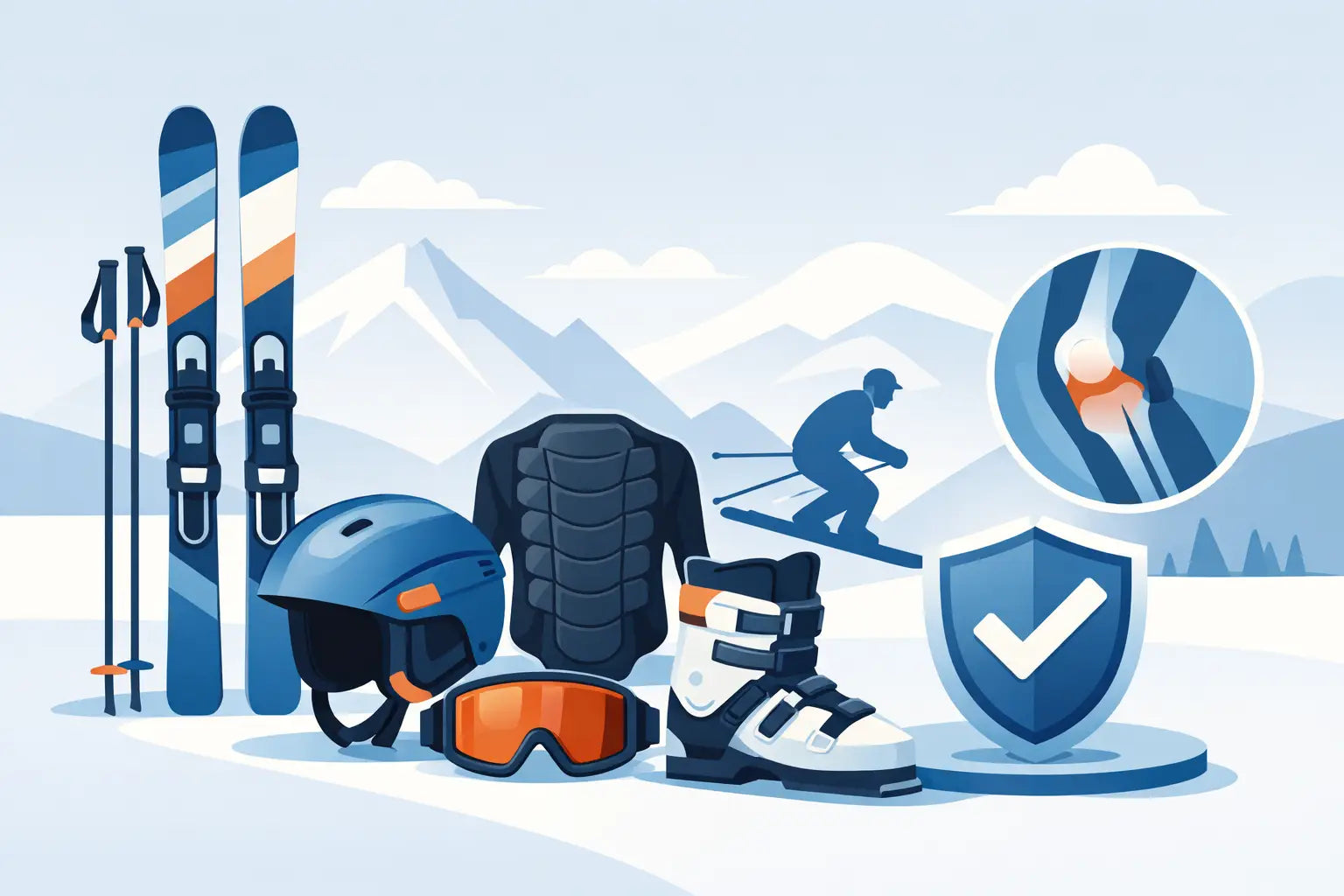
Safety matters just as much. If the promise is easier skiing, the gear should also reduce the awkwardness and injury risk that often come with traditional setups. Comfort off the slope matters too. One of the biggest wins in this category is being able to move around more naturally without doing the stiff-legged ski-boot shuffle.
Then there is portability. A lot of people underestimate how much carrying heavy gear affects the overall experience. Smaller, simpler equipment changes the day before the first run even starts.
Finally, be honest about your goals. If your dream is to master conventional alpine skiing exactly as it has always been done, traditional gear may still be the lane you choose. If your goal is to learn faster, feel safer, spend less, and get more fun out of every session, ski equipment without boots starts to look like the smarter modern choice.
The bigger shift behind ski equipment without boots
This is not just a gear trend. It reflects a bigger change in what people want from sports.
Consumers are less impressed by complexity for its own sake. They want products that remove barriers. They want faster learning, better comfort, and a setup that fits real life. That is happening in cycling, fitness, golf, and now winter sports too.
Skiing does not need more rituals that scare people off. It needs more products that invite people in.
That is why this category matters. It is not about rejecting skiing. It is about updating it. Making it easier to start, easier to carry, and easier to enjoy without spending days just trying to feel competent.
For plenty of riders, especially beginners and crossover athletes, the old setup is not sacred. It is simply old.
And when a simpler system helps you get the feeling of control in hours instead of days, that is not a gimmick. That is progress.
If you are weighing your options, start with the experience you actually want, not the tradition you think you are supposed to follow. The best gear is the gear that gets you smiling on snow sooner.


Lasă un comentariu
Acest site este protejat de hCaptcha și hCaptcha. Se aplică Politica de confidențialitate și Condițiile de furnizare a serviciului.