










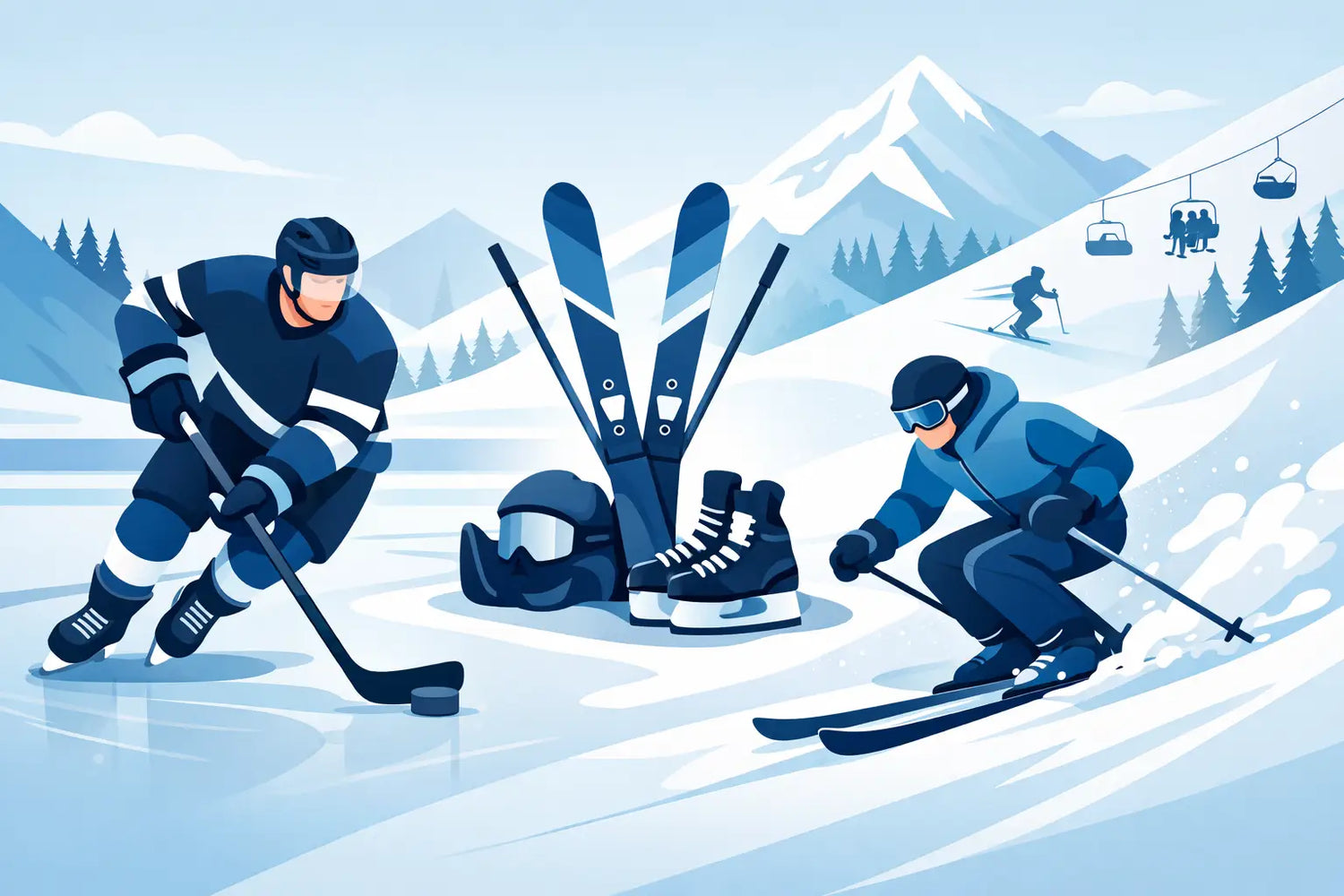
The first time a hockey player clicks into snow gear, one thing usually happens fast - confidence shows up before technique does. That is not a bad place to start. Skiing for hockey players often feels surprisingly familiar because the foundations are already there: balance over the feet, pressure through the edges, strong legs, and a comfort level with speed that most first-timers simply do not have.
But snow is not ice, and that difference matters. If you come in assuming your hockey background will do all the work, you can pick up bad habits fast. If you understand what transfers and what needs to change, the learning curve gets a whole lot shorter.
Why skiing for hockey players feels natural
Hockey players already know how to stay centered, react quickly, and trust their lower body. That is a huge advantage on snow. You are used to moving athletically, keeping your knees bent, and making edge-based movements without overthinking every detail.
There is also the mental side. Many beginners freeze because sliding downhill feels foreign. Hockey players usually do not have that same panic response. You already know what it means to move on a slippery surface, control momentum, and adjust under pressure. That comfort can turn day one into actual progress instead of pure survival.
The biggest transfer is edge awareness. In hockey, your edges are everything. On snow, that instinct still matters. You can feel when your weight shifts, when grip increases, and when a turn starts to build. That body awareness gives you a real head start.
What does not transfer as cleanly
This is where things get interesting. Hockey posture is not ski posture. On skates, you can sit deeper and stay more compact because your movement comes from a different platform. On snow, especially with traditional long skis, dropping too far back can make you lose control fast.
Hockey players also tend to want quick, sharp reactions. Skiing can reward that in some situations, but it also asks for smoother pressure and more patience through the turn. If you try to force every movement, snow pushes back.
Another difference is stance width and separation. On ice, your feet often work independently in a very dynamic way. On snow, depending on the equipment, stability and control come from a more deliberate relationship between both feet. You are still athletic, but the rhythm is different.
Stopping changes too. Hockey stop instincts help with commitment and aggression, but the mechanics are not identical. Some players over-rotate their upper body or try to muscle the movement instead of letting the edges and snow do the work.
The fastest way to make the transition
The smartest move is not pretending you are a beginner with zero crossover, and not acting like skiing should feel exactly like hockey. Meet in the middle.
Start by focusing on stance. Stay centered, athletic, and relaxed. Think less about squatting and more about being ready. Your shins should feel connected to the front of your setup, your knees should be soft, and your weight should stay over the middle of your feet.
Then work on controlled gliding before chasing turns. Hockey players often want to attack right away, but early success on snow comes from learning how the surface responds. Let yourself feel friction, slide, and edge engagement in a calm way first.
From there, build turns through pressure, not panic. A lot of first-day frustration comes from trying to twist everything at once. Smooth movements win. Roll into the edge, stay balanced, and let the turn happen instead of forcing it.
Why equipment makes a huge difference
This is the part many hockey players underestimate. You may have transferable skills, but if your equipment feels intimidating, awkward, or overly technical, your confidence drops fast.
Traditional skis can absolutely work, especially if you already enjoy learning gear-heavy sports. But they also come with a bigger adjustment. Longer skis, separate boots, bindings, poles for some riders, and a setup that can feel bulky compared to what a hockey player is used to - that is a lot on day one.
That is why simpler snow gear can be such a game changer for crossover athletes. A shorter, more intuitive setup reduces the mismatch between what your body already knows and what the mountain is asking you to do. Instead of fighting equipment, you can focus on movement.
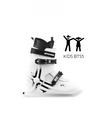
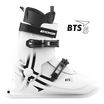
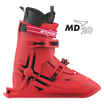
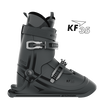
For many hockey players, that is exactly why modern alternatives like Novaskis make sense. The integrated boot-and-ski design feels less intimidating, easier to control, and much quicker to trust. If your goal is to get on snow, learn fast, and actually enjoy the first session, ease of use is not a small detail. It is the whole point.
Common mistakes hockey players make on snow
The most common mistake is leaning back. It usually happens when speed picks up and the rider falls into defense mode. On ice, you can get away with certain recovery positions. On snow, leaning back often makes control worse, not better.
The second mistake is overusing the upper body. Hockey players are used to rotating, reacting, and driving movement from the whole body. In skiing, wild shoulders usually create messy turns. Quiet upper body, active lower body - that is a better formula.
The third is trying to progress too fast because the first few minutes feel easy. Early comfort can hide weak mechanics. A hockey player might be able to glide and turn quickly, then get into trouble on steeper terrain because the fundamentals were skipped.
There is also the confidence trap. Being athletic helps, but snow still deserves respect. Conditions change. Terrain matters. Ice, slush, and chopped-up runs all create different responses underfoot. Good crossover learning is not just about feeling brave. It is about building control that holds up when the surface changes.
How hockey players can learn faster
The shortcut is using what you already do well without dragging every hockey habit onto the slopes. Your edge feel is valuable. Your balance is valuable. Your willingness to move is valuable. Keep those.
Then make a few smart adjustments. Stay more centered than you think. Let turns develop instead of snapping them. Keep your eyes ahead, not down at your feet. And choose terrain that lets you repeat movements without getting punished for every mistake.
This is also why many hockey players do well with short learning sessions. One or two focused hours can be better than grinding through a full day while tired. When your legs go, technique goes with them. Stop while things still feel sharp, and the next session usually comes together much faster.
If you are teaching a hockey player, keep the language simple. Talk about edges, pressure, and balance. Skip the overload. They do not need a lecture. They need a setup that feels approachable and a few cues they can trust immediately.
Is skiing easier for hockey players?
Usually, yes - but not automatically.
A hockey player has a better starting point than someone with no skating background. That is real. Balance, body control, and comfort on slick surfaces matter a lot. But easier does not mean effortless. Snow asks for adaptation, and the players who improve fastest are the ones who respect that.
It also depends on the kind of skiing experience you want. If your goal is to feel stable, have fun fast, and enjoy social laps without a giant learning curve, hockey gives you a strong edge. If your goal is highly technical alpine performance, the crossover still helps, but the road gets longer and more skill-specific.
That is the trade-off. Your background can speed up the start, but your equipment and expectations shape the experience.
The real opportunity in skiing for hockey players
The best part is not just that hockey players can learn faster. It is that they are often better positioned to actually enjoy snow sports from day one. Less fear. More feel. More willingness to try again after a mistake.
That matters because too many people quit winter sports before they ever get to the fun part. They spend the day wrestling with gear, fighting their balance, and wondering why this is supposed to be enjoyable. Hockey players already have a piece of the puzzle. With the right setup and a little adjustment, the rest can come together fast.
If you play hockey and have been curious about snow, this is your sign to stop overthinking it. Your instincts are more useful than you realize. Start with equipment that feels simple, keep your stance centered, and give yourself permission to learn in a way that feels fun, not punishing. That first good run tends to change everything.


Lasă un comentariu
Acest site este protejat de hCaptcha și hCaptcha. Se aplică Politica de confidențialitate și Condițiile de furnizare a serviciului.