

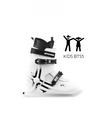
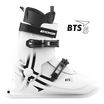
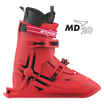
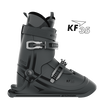






If your first day on the mountain sounds more like stress than fun, the ski blades vs skis question matters a lot more than people admit. The right setup can turn a shaky, frustrating morning into actual progress by lunch. The wrong one can leave you fighting your gear, falling hard, and wondering why winter sports are supposed to be fun.
That’s why this comparison matters for real people, not just experts. If you’re a beginner, a casual vacation rider, a parent choosing gear for a kid, or someone coming from hockey, skating, or roller sports, you probably care less about tradition and more about one thing: what feels easier, safer, and more fun right now.
Ski blades vs skis: the real difference
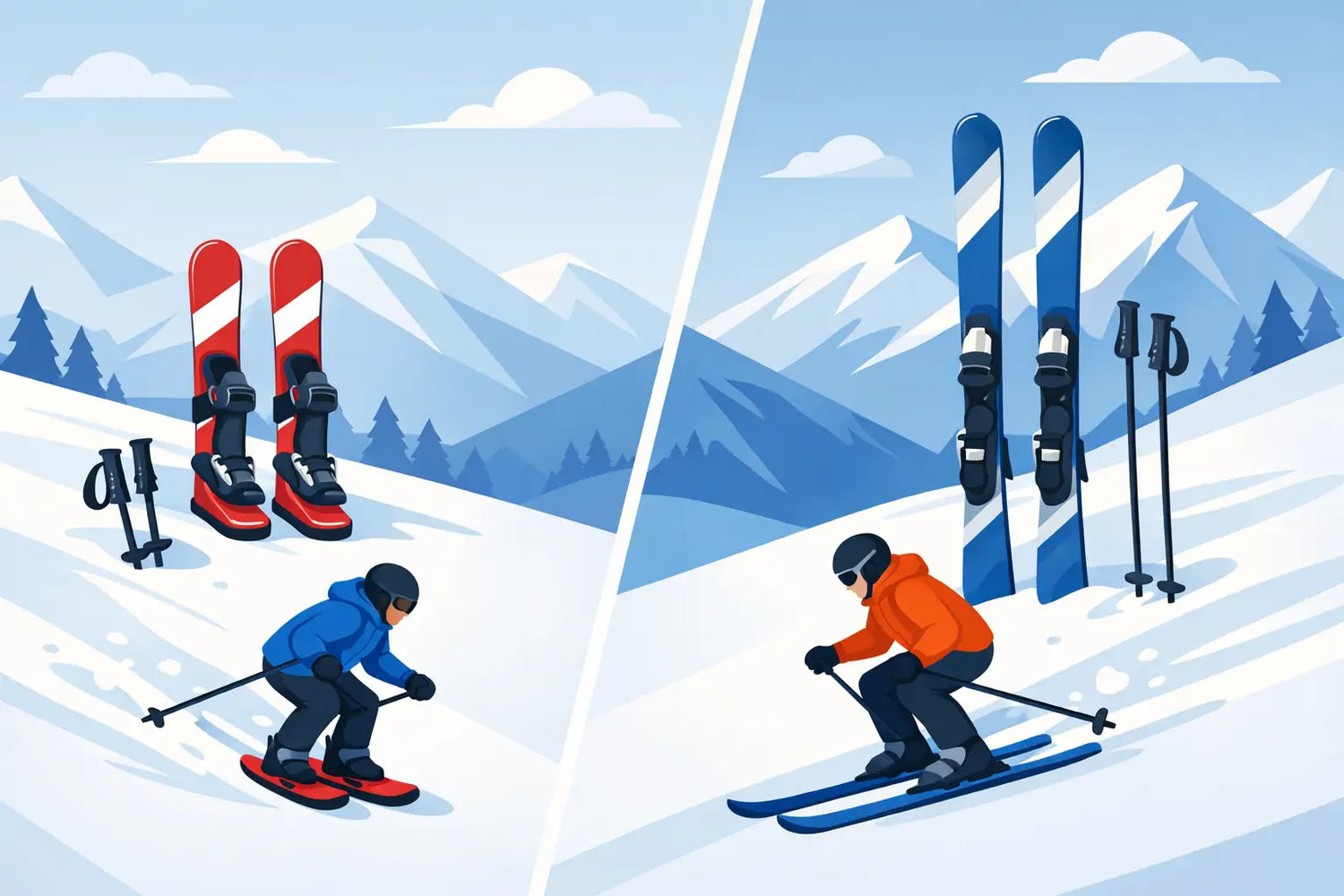
Traditional skis are longer, more stable at speed, and designed for classic alpine skiing technique. They reward good form, patience, and time on snow. For experienced skiers, that makes sense. Long skis hold a line better, float better in some conditions, and feel more planted when the terrain gets faster or steeper.
Ski blades are much shorter. That changes everything. They’re quicker edge to edge, easier to carry, and less intimidating the moment you clip in. Shorter length means less ski in front of and behind you, so they often feel easier to maneuver in tight spaces and simpler to control at lower speeds.
But shorter does not automatically mean better for every rider. It means different. Ski blades trade some high-speed stability for agility and approachability. For the right person, that is a very smart trade.
Which is easier to learn?
For most beginners, ski blades are easier to start with.
That’s the plain answer. Long skis can feel awkward on day one because there is more equipment to manage. More length means more chance of crossing tips, catching an edge, or feeling like your legs are moving around without your permission. New riders often spend half their energy just trying to make the gear feel less foreign.
Ski blades reduce that learning friction. The shorter platform feels less overwhelming, especially for people who already know how to balance and shift weight from skating, hockey, or rollerblading. Turning tends to feel more immediate. Stopping can feel less intimidating. Getting on and off beginner terrain often feels less clumsy.
That said, there’s a difference between easier to learn and better for long-term traditional ski development. If your goal is to become a classic alpine skier who charges steep groomers all day, traditional skis still teach the movement patterns of traditional skiing more directly. If your goal is to get on snow quickly, have fun fast, and avoid the painful learning curve that makes so many people quit, shorter gear has a strong advantage.
Control, turning, and confidence
Confidence usually comes from one thing: feeling in control.
This is where many first-time riders start leaning toward shorter gear. Ski blades are responsive. Small movements create quick results. On beginner slopes, that can feel amazing. You shift your weight, the gear reacts, and suddenly the mountain feels less huge.
Traditional skis can absolutely offer excellent control, but they ask for more commitment from the rider. Longer skis want cleaner technique and more deliberate movement. Once you have that, they can feel smooth and powerful. Before you have it, they can feel like a lot to handle.
For nervous beginners, kids, and casual riders, quick control often beats theoretical performance. If the gear helps you turn sooner and panic less, you’re more likely to relax. And once you relax, you improve faster.
Ski blades vs skis for safety
Safety is where the conversation gets more nuanced.
Traditional skis have release bindings and decades of standardization behind them. That matters. On the other hand, their length can create leverage in falls, especially for beginners who twist awkwardly or catch an edge with poor body position. A lot of new skiers are not getting hurt because they’re going huge. They’re getting hurt during simple, low-speed mistakes.
Ski blades reduce overall length, which can reduce that awkward lever effect. They can feel easier to recover on and less likely to tangle in the same way long skis do. For beginners, that often translates to feeling safer because the equipment is more manageable.
Still, safety is never just about length. It’s about design, fit, snow conditions, speed, and how quickly a rider can get into a controlled stance. That’s one reason newer alternatives to both traditional skis and classic ski blades have gained attention. Tomsen Sports, for example, built Novaskis around quicker learning, integrated design, and lower complexity specifically for riders who want more control and less intimidation from day one.
Comfort and convenience off the snow
This part gets ignored, but it matters more than people think.
Traditional skis are bulky. You carry them. You store them. You manage separate boots, bindings, poles for many setups, and all the awkward logistics that make a ski day feel like work before it feels like fun. For experienced riders, that’s just normal. For beginners, it can feel like a barrier before the day even starts.
Ski blades are easier to transport and less awkward to handle. That convenience lowers resistance. If your gear is simpler, you are more likely to use it, enjoy it, and bring it along without turning your car into a puzzle.
Families feel this immediately. So do travelers. So do people trying winter sports for the first time who do not want a giant pile of equipment just to slide on snow for a few hours.
Performance on different terrain
This is where traditional skis push back.
On wide groomers at moderate to high speed, skis usually feel more stable. In deeper snow, longer skis often float better. On bigger mountain terrain, they offer the kind of support advanced riders want. If you ski aggressively, love carving long fast turns, or spend full days chasing varied conditions, traditional skis make a lot of sense.
Ski blades shine in a different lane. They’re playful, quick, and fun on mellow to moderate terrain. They suit shorter turns, casual sessions, and riders who care more about movement and enjoyment than technical alpine performance. They’re often a better match for people who want the mountain to feel social and accessible, not serious and demanding.
So the answer depends on what kind of day you want. If you picture speed, mileage, and classic ski technique, go longer. If you picture quick learning, easy handling, and immediate fun, shorter gear has real appeal.
Who should choose ski blades?
Ski blades make the most sense for riders who want less hassle and faster payoff. Beginners fit that profile. So do people who have tried skiing before and hated how slow the learning process felt.
They’re also a natural option for crossover athletes. Hockey players, figure skaters, and inline skaters already understand edges, balance, and lower-body control. Shorter snow gear often feels more familiar to them than long skis do. Instead of relearning movement from scratch, they can build on what they already know.
Younger adults looking for fun over formality are another strong fit. So are casual vacation riders who are not trying to become mountain experts. If your goal is to enjoy winter instead of surviving it, shorter and simpler is often the smarter move.
Who should choose traditional skis?
Traditional skis are still the better pick for riders committed to the full alpine experience. If you want to ski fast, cover a lot of terrain, improve your carving technique, or progress into more advanced mountain conditions, skis give you a bigger runway.
They also make sense if you already know you enjoy traditional skiing. Not everyone wants a shortcut. Some riders genuinely want the classic system, classic feel, and classic progression. That’s fair.
The mistake is assuming that everyone should start there.
For years, winter sports treated difficulty like a badge of honor. Heavy gear. Slow learning. Hard falls. Long days before anything clicks. That model works for some people. It also drives a lot of people away before they ever get to the fun part.
So, which one wins?
In the ski blades vs skis debate, there is no universal winner. There is only the right match for the rider.
If you want tradition, top-end stability, and a path into classic alpine skiing, choose skis. If you want easier handling, faster confidence, and a more approachable ride, ski blades are often the better choice.
For a lot of people, especially beginners, the smartest move is not asking which option is more respected. It’s asking which one gets you smiling sooner. Winter sports should feel exciting on day one, not like a test you have to pass before the fun begins.
Start there. Your best setup is the one that gets you out of your head, onto the snow, and ready to come back again tomorrow.


Hinterlasse einen Kommentar
Diese Website ist durch hCaptcha geschützt und es gelten die allgemeinen Geschäftsbedingungen und Datenschutzbestimmungen von hCaptcha.