

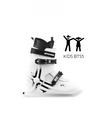
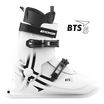
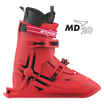
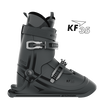








Most people do not quit winter sports because they hate snow. They quit because day one feels awkward, expensive, and way harder than it looks. If you want to learn skiing faster, the goal is not to look advanced by lunch. The goal is to feel stable early, avoid the classic beginner mistakes, and get enough quick wins that you actually want to keep going.
That changes how you should approach the sport.
Traditional advice often starts with technique details that matter later, not first. Beginners need something simpler. Better balance. Less gear drama. Clear movements. Lower fear. When those pieces line up, progress speeds up fast.
How to learn skiing faster from your first session
The fastest learners are usually not the bravest. They are the ones who remove friction before they ever slide downhill.
That starts with expectations. Your first session is not about carving perfect turns or chasing speed. It is about learning how to stand, glide, stop, and control direction without panic. People who treat those four skills as the whole mission usually improve much faster than people trying to impress their friends.
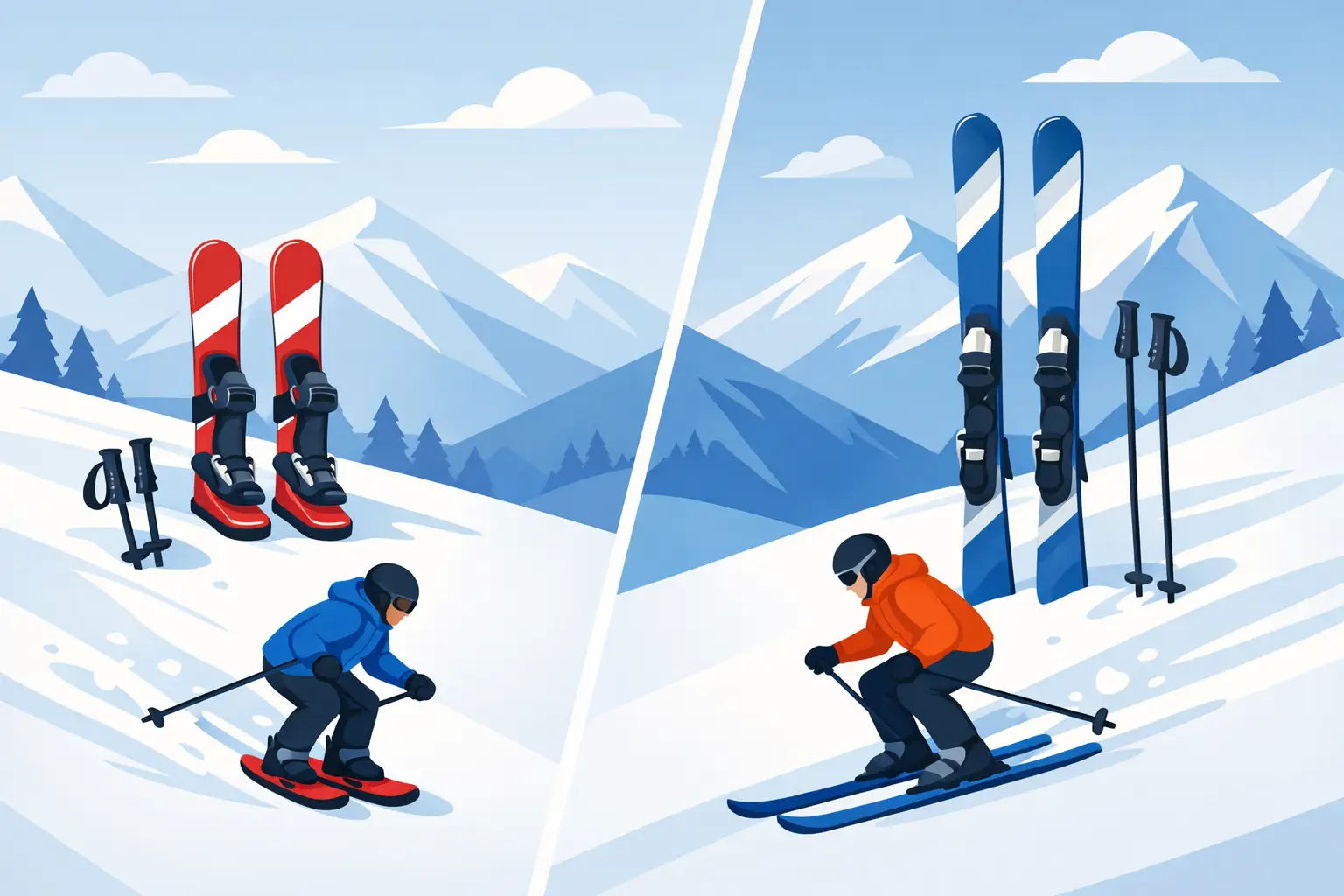
It also helps to choose an easier entry point. A lot of beginners struggle not because they lack athletic ability, but because traditional ski setups can feel bulky, complicated, and intimidating. Boots, bindings, ski length, carrying gear, getting clipped in, and trying to coordinate long skis all add noise to the learning process. When the setup feels simpler and more natural, many first-timers relax sooner and progress sooner.
That is one reason newer categories like Novaskis have gained attention. For beginners and crossover athletes, they can create a much more approachable first experience because they reduce complexity and make balance feel more intuitive. If you are coming from hockey, figure skating, or inline skating, that familiar edge-based movement can make the snow feel less foreign right away.
Start with balance, not bravery
The biggest beginner mistake is leaning back. It feels safer, but it kills control. When your weight shifts too far behind you, your legs stiffen, your feet shoot forward, and stopping gets harder.
A better cue is simple: stay centered and athletic. Think soft knees, chest up, eyes forward, hands relaxed. You are not sitting in a chair. You are stacked over your feet and ready to move.
This is where many skaters and hockey players have an advantage. They already understand how to stay dynamic over the middle of the foot rather than locking out their legs. If that is your background, use it. Snow is different, but balance and edge confidence transfer more than many people expect.
The trade-off is that experienced skaters sometimes come in too aggressive. On snow, subtle movement usually beats sudden movement. Smooth input gives you smoother control.
The fastest path is shorter sessions with clear goals
Trying to force six straight hours on the mountain is usually a bad strategy for beginners. Fatigue makes technique sloppy, and sloppy technique makes people tense. Once tension shows up, learning slows down.
A smarter plan is to break your first day into small wins. Spend one block working on glide and stop. Another on gentle turns. Take a reset. Repeat. Progress comes faster when your brain has time to process what your body just learned.
This is especially true for families and first-time vacation riders. Kids and adults both improve more when the day feels fun instead of overwhelming. If the session ends with confidence still high, people come back sharper the next round.
Learn skiing faster by reducing gear complexity
This part gets overlooked, but it matters. A confusing setup drains mental energy before the lesson even starts.
When your boots are uncomfortable, your equipment feels hard to manage, or getting ready takes forever, you begin the day frustrated. That frustration carries onto the snow. For first-timers, convenience is not a side benefit. It is part of the learning curve.
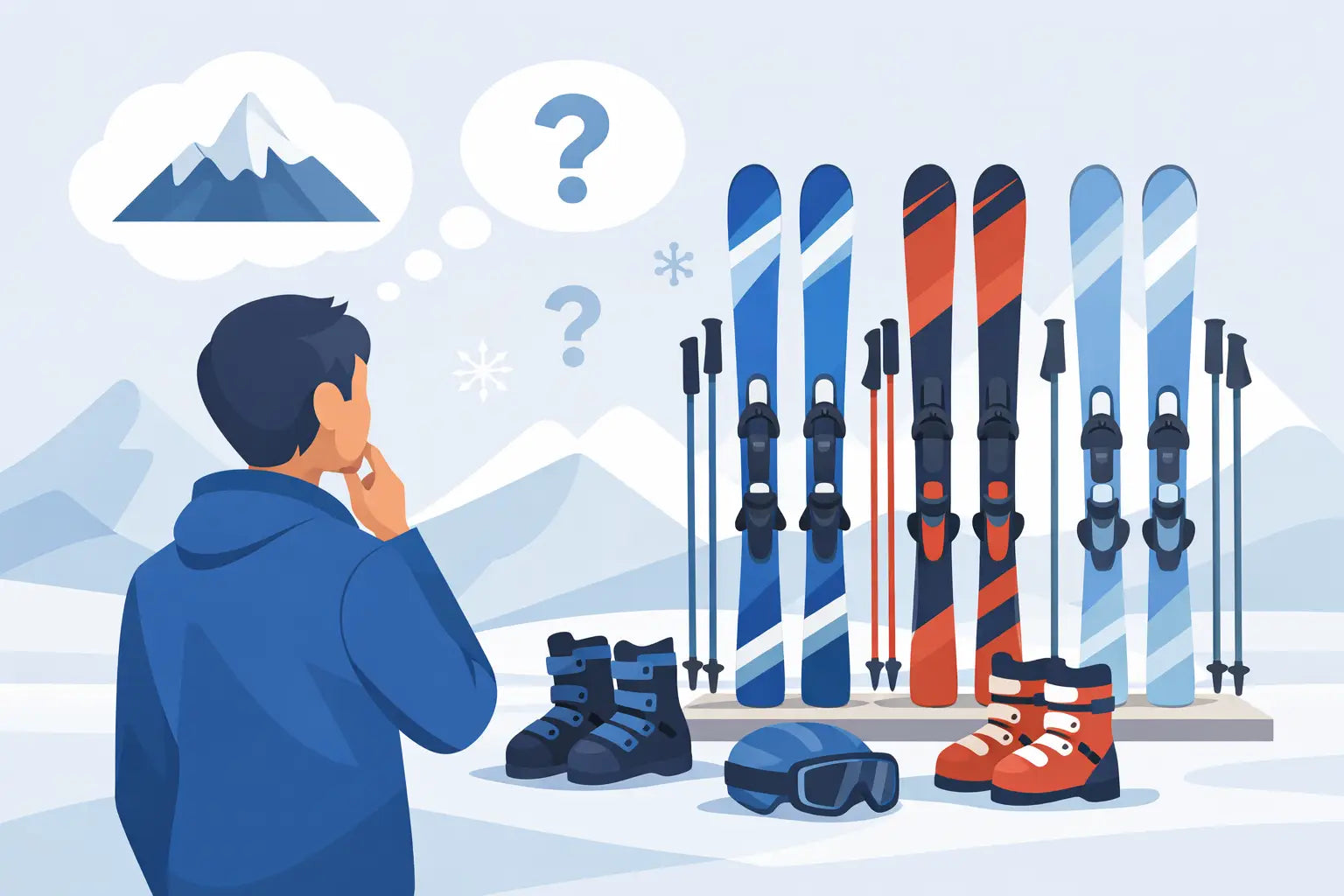
A simpler setup can help you focus on movement instead of mechanics. That is why many new riders look for equipment designed around ease of use, portability, and a lower barrier to entry. If the gear works straight out of the box and feels less intimidating, you spend more time practicing and less time wrestling with equipment.
There is an important nuance here. Traditional skis still make sense for people who specifically want to learn classic alpine technique from the ground up and are committed to the full process. But if your real goal is to enjoy winter faster, build confidence quickly, and skip much of the setup headache, a simpler format can be the better fit.
Use terrain that helps you win early
A gentle slope is not a compromise. It is a shortcut.
Beginners often move to steeper terrain too early because easy hills look boring. But mellow terrain gives you time to feel the slide, understand edge pressure, and practice stopping before speed takes over. That extra second matters.
The best early runs are wide, forgiving, and predictable. You want space to make mistakes without feeling crowded or rushed. Confidence grows when you feel in control, and control grows faster when the terrain is working with you instead of against you.
If you are learning with friends, pick the easiest meeting point possible. Nothing kills momentum like feeling dragged onto terrain that does not match your ability.
Focus on three movements only
Beginners improve faster when they narrow their attention. On day one, you do not need ten coaching cues. You need three movements you can repeat.
First, learn to glide in a stable stance without locking your body. Second, learn to slow down and stop on command. Third, learn to guide direction with controlled edge pressure instead of throwing your shoulders around.
That is enough.
Most people stall because they try to fix everything at once. They think about feet, knees, hips, arms, poles, speed, and where everyone else is going. Too much input creates hesitation. A few clean cues create rhythm.
If you are crossing over from skating, this can feel refreshingly familiar. Edges matter. Pressure matters. Staying relaxed matters. The mechanics are not identical, but the body awareness is already there.
Fear is the real speed bump
A lot of beginner struggles get framed as technical problems when they are really fear problems.
Fear makes people stiff. Stiff riders stop moving naturally. Then they lose balance, which creates more fear. That loop is why so many first-day skiers and snowboarders give up before they ever reach the fun part.
The answer is not hype. It is control.
When people feel safer, they commit to the movement. When they commit to the movement, they improve faster. That is why easier-to-handle equipment, lower speeds, manageable terrain, and early stopping practice make such a big difference. They reduce panic and create room for learning.
This is also why many consumers are rethinking what they want from winter sports gear. They are not chasing tradition for tradition’s sake. They want a setup that feels safer, simpler, and easier to trust from the first run.
A faster learning curve does not mean cutting corners
There is a difference between learning faster and rushing.
Learning faster means removing unnecessary barriers. Rushing means skipping foundations. The first one builds confidence. The second one usually ends with frustration or a hard fall.
So yes, go after progress. Just do it in the right order. Stability before speed. Control before steeper runs. Repetition before ambition.
That approach may sound less flashy, but it is exactly how beginners start having fun sooner. And fun matters more than people admit. The moment winter sports feel fun instead of stressful, consistency takes over. You stop surviving the day and start wanting another run.
That is when improvement really compounds.
The new way to learn skiing faster
For a long time, beginners were expected to accept a brutal first day as part of the deal. Heavy gear. Slow progress. Sore legs. A lot of falling. Maybe you would love it eventually.
That old model is losing its grip.
Today’s beginners want a better first experience. They want faster wins, less intimidation, and gear that meets them where they are. That is not lowering the standard. It is smart product design and smarter learning.
If your goal is to get on snow and enjoy yourself quickly, choose the route that gives you confidence fastest. That might mean dialing back the terrain, simplifying your setup, or using equipment built for easier progression rather than old-school complexity. There is no prize for making your first day harder than it needs to be.
The best winter sport is the one that gets you smiling early and coming back tomorrow.


Leave a comment
This site is protected by hCaptcha and the hCaptcha Privacy Policy and Terms of Service apply.