







That first winter sports day usually goes one of two ways. You either catch the bug fast, or you spend hours falling, freezing, and wondering why this is supposed to be fun. If you're searching for easy snow sports for adults, the difference comes down to one thing - how quickly you can feel stable, safe, and in control.
That matters more than most people admit. A lot of adults are not chasing Olympic-level technique. They want a real day on the mountain, not a long lesson in frustration. They want gear that feels manageable, progress they can notice within the first session, and a sport they will actually want to do again next weekend.
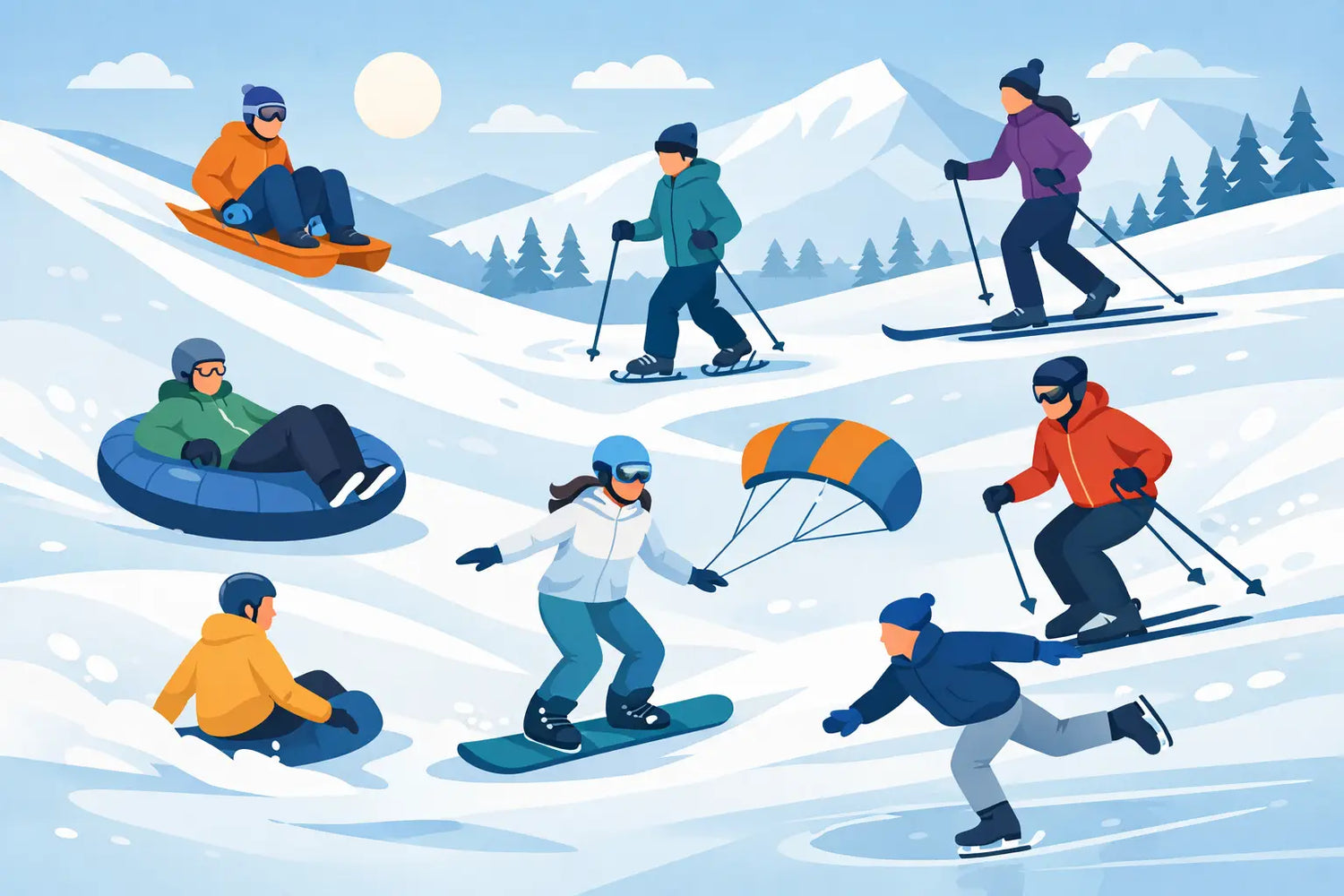
The good news is that not every snow sport demands a brutal learning curve. Some are far more beginner-friendly than others, especially if you value balance, portability, lower speed, or a more natural stance. Here are seven worth considering, along with the trade-offs that come with each.
What makes easy snow sports for adults actually easy?
"Easy" does not mean effortless. Snow is slippery, weather changes fast, and every winter sport has a learning phase. But some sports make the first few hours far less intimidating.
For most adults, the easiest options have a few things in common. They feel stable early on. They do not require complex gear setups. They let you control speed without needing advanced technique. And they reward general athletic balance, especially if you already skate, rollerblade, or play hockey.
Just as important, they lower the mental barrier. Fear is a huge part of why beginners quit. If a sport helps you stand naturally and move with confidence sooner, you're much more likely to stick with it.
1. Snowshoeing
If your goal is the simplest possible entry into winter movement, snowshoeing is hard to beat. You walk, just on top of snow instead of sinking into it. There is no major downhill learning curve, and most adults can get comfortable almost immediately.
Snowshoeing is ideal if you want a winter workout, scenic trails, and very low intimidation. It is also one of the easiest sports to enjoy without lessons. You can focus on the surroundings instead of worrying about turns, edges, or lift lines.
The trade-off is obvious. Snowshoeing is more hiking than gliding. If what you really want is the thrill of sliding downhill, this may feel too mild. But for adults who want winter adventure without the drama, it is one of the best starting points.
2. Sledding and tubing
Some adults write this off as kids' stuff, which is a mistake. Tubing in particular is one of the fastest ways to have fun on snow with almost zero learning curve. Sit down, hold on, and go.
It is social, low-pressure, and perfect for people who want the feeling of speed without needing technical skill. For group trips, couples, and families, tubing gives everyone an easy win right away.
What it does not offer is progression. You are not building a skill set the way you would with a rideable snow sport. So if your bigger goal is to learn something you can improve over time, tubing is more of a great first step than a long-term obsession.
3. Cross-country skiing
Cross-country skiing is often easier for adults than alpine skiing because the pace is slower and the terrain is usually gentler. You are moving across snow rather than dropping into steeper downhill runs, which makes the whole experience feel less intense.
It is especially good for people who want rhythm, cardio, and steady progress. If you enjoy running, hiking, or cycling, cross-country skiing can click surprisingly fast.
Still, "easier than downhill" does not always mean easy. Balance takes practice, and uphill sections can be tiring. The gear is also more specialized than many beginners expect. If your priority is relaxed movement and fitness, it is a strong option. If you want a playful downhill experience, there are easier choices.
4. Novaski riding
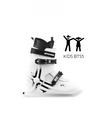
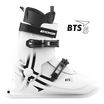
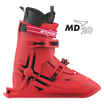
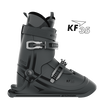
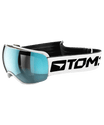
For adults who want to slide, turn, and enjoy the mountain without spending days learning traditional skis or a snowboard, Novaskis make a strong case. The format is simple - integrated ski boots with short skis and steel edges, built to work right out of the box.
That changes the beginner experience in a big way. Instead of wrestling with a long setup and a steep technical barrier, you get a more natural, compact platform that feels approachable from the start. Many adults can find a sense of control within the first one to two hours, which is a completely different first-day story from the usual cycle of hard falls and slow progress.
This is where crossover athletes tend to light up. If you come from hockey, figure skating, or inline skating, the movement pattern often feels more intuitive than traditional skiing. Edge awareness, balance, and lower-body coordination transfer more naturally, so the learning curve can feel dramatically shorter.
The trade-off is that this is a modern alternative, not a copy of traditional alpine skiing. If your dream is to master conventional skis exactly as they have always been done, then you may still want that classic route. But if your real goal is simple - learn fast, feel safe, have fun - this is one of the smartest options on snow. Tomsen Sports has built its entire category around that idea, and for first-timers, it makes a lot of sense.
5. Beginner-friendly downhill skiing
Traditional skiing can still be one of the easier downhill sports for adults, especially compared with snowboarding, if you start on mellow terrain and get decent instruction. Facing forward feels natural to many people, and poles can add a sense of stability even if they are not doing as much as beginners think.
The challenge is that "easy" depends heavily on conditions. Rental gear can feel awkward. Boots are stiff. Long skis are less forgiving than many adults expect. And when confidence drops, technique usually drops with it.
That does not mean beginners should avoid skiing. It just means the first day often demands more patience than people budget for. Some adults love that process. Others are done by lunch.
6. Skating on packed snow or ice trails
This one sits a little outside classic slope sports, but for many adults it is one of the most enjoyable winter entries. Ice skating on outdoor trails or maintained rinks gives you glide, movement, and that crisp winter feeling without dealing with chairlifts or mountain traffic.
If you already skate even a little, this is a low-stress way to build winter confidence. It is also a great stepping stone into snow sports because it sharpens edge control and balance.
The downside is simple. You need the right venue, and it is not a mountain sport in the usual sense. But for adults testing whether they enjoy sliding sports at all, skating can be the easiest proof point.
7. Beginner snowboarding - for the right person
Snowboarding rarely belongs at the top of an "easy" list for adults, but it deserves an honest mention because the right beginner can still love it. If you have strong board sport instincts from surfing, skateboarding, or wakeboarding, snowboarding may feel familiar enough to justify the early bruises.
Those bruises are real, though. First-day snowboarding often involves a lot of falling, especially while learning edge control and getting off lifts. Many adults who eventually love snowboarding have a rough introduction.
So is it easy? Usually not at first. But if your body and brain already understand side-on board movement, it can be easier for you than for the average beginner. This is a classic it-depends sport.
How to choose the best easy snow sport for you
The best choice depends on what "easy" means to you. If easy means no learning curve, go with snowshoeing or tubing. If easy means gentle fitness and less downhill fear, cross-country skiing is a smart pick. If easy means getting the thrill of sliding without spending days earning it, a more beginner-focused modern option like Novaskis stands out.
It also helps to be honest about your starting point. Adults with skating or hockey backgrounds usually adapt faster to edge-based sports. Adults who dislike speed may prefer trail-based options. Travelers who hate bulky gear often care more about portability and simplicity than they expect.
There is also the cost question. Traditional winter sports can get expensive fast once you add lift tickets, rentals, lessons, outerwear, and accessories. An "easy" sport that feels complicated to organize can stop feeling easy before you even hit the snow.
The fastest path is usually the one you'll repeat
A lot of adults think they need to choose the most respected or most traditional sport. They do not. The smartest move is choosing the one that gets you smiling early, not the one that looks hardest on paper.
Because that first good run matters. So does that first hour where things click. Find the sport that gives you enough control to relax and enough excitement to want another lap. That's usually where winter starts getting really fun.



Leave a comment
Ezt a webhelyet a hCaptcha rendszer védi, és a hCaptcha adatvédelmi szabályzata, valamint szolgáltatási feltételei vonatkoznak rá.