

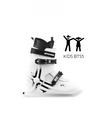
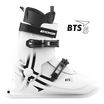
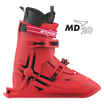
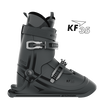






That first moment at the top of a beginner slope can go one of two ways. You either feel excited, or you feel your stomach drop because your boots are locked in, your skis feel too long, and everyone else seems to know what they’re doing. Novaskis for nervous beginners are built for that exact moment - the one where fear usually takes over and a fun day turns into a struggle.
Traditional skiing asks a lot from day one. You have separate boots and skis, more equipment to manage, more moving parts, and a learning curve that can feel steep before you even slide ten feet. For many first-timers, that setup is the real barrier. It is not just about skill. It is about confidence.
Why fear stops so many beginners
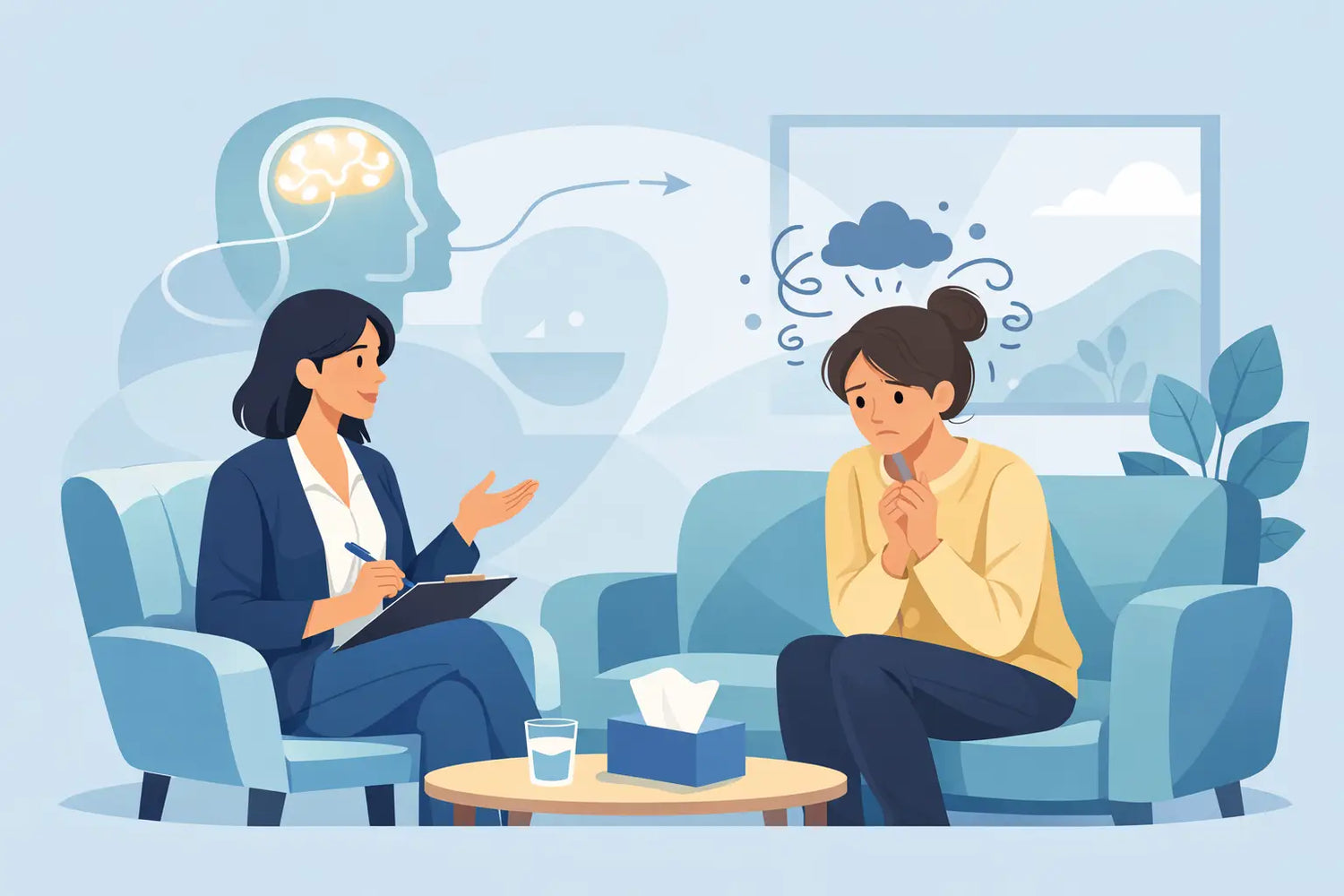
Most beginners are not afraid of winter sports because they hate speed or snow. They are afraid of losing control. They worry about falling awkwardly, crossing skis, getting stuck on a lift, or feeling embarrassed in front of friends and family. That fear gets worse when the gear itself feels complicated.
This is where Novaskis change the experience. Instead of asking beginners to adapt to a traditional system, the product is built around how beginners actually learn. The ski is integrated into the boot. There are no detachable parts to fuss with. The setup is compact, stable, and far less intimidating when you first put it on.
That matters more than people think. When gear feels simple, your brain has more space to focus on balance, movement, and fun. You are not battling the equipment before you even start learning.
What makes Novaskis for nervous beginners different
Novaskis are not trying to be a slightly improved version of old-school ski gear. They are a different approach to getting people on snow faster, with less fear and less friction.
The biggest difference is how natural they feel for new riders. Because they are shorter and integrated with the boot, they are easier to handle on the ground and easier to control at low speeds. Beginners usually care less about carving perfect alpine turns and more about staying upright, stopping with confidence, and feeling in control. That is exactly where this format shines.
There is also a safety angle that matters. Lower complexity means fewer opportunities for clumsy mistakes while gearing up or moving around off the slope. The compact design can feel more manageable than traditional skis, especially for people who already feel nervous. If you are trying to remove excuses, remove the gear drama first.
Then there is the learning speed. A lot of beginners do not quit because they dislike snow sports. They quit because the first day feels like work. Novaskis are designed to be learned dramatically faster than traditional skiing or snowboarding, which changes the emotional payoff. Instead of spending hours frustrated, many riders can get to that first real feeling of control within one to two hours.
That quick win is huge. It gives beginners a reason to keep going.
Faster learning changes everything
The difference between learning in hours and learning in days is not just convenience. It changes whether someone sees themselves as "not a snow sports person" or someone who just needed the right start.
With traditional skiing, beginners often spend the first part of the day figuring out how to stand, shuffle, glide, and stop without tangling themselves up. By the time they gain a little confidence, they are tired, cold, and mentally drained. For some people, that challenge is part of the appeal. For nervous beginners, it is usually the reason they never come back.
Novaskis flip that pattern. The goal is early success. You get a setup that works straight out of the box, a more intuitive feel, and less equipment to manage. That means more time actually moving and less time wrestling with basics.
It is not magic, and it does not mean every single beginner will progress at the same pace. Athletic confidence, balance, and prior experience still matter. But the entry point is much friendlier, and that changes the whole day.
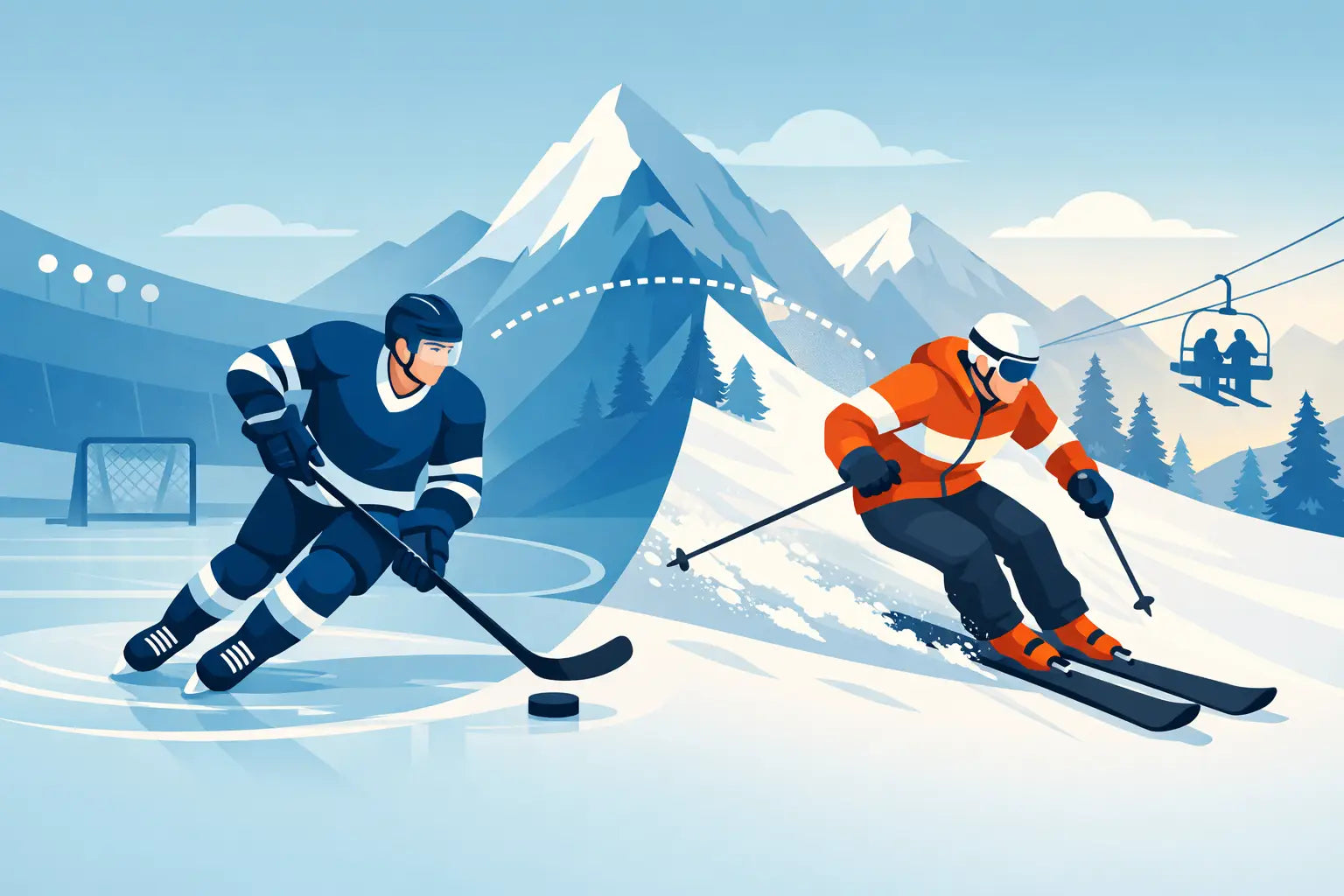
Why hockey players, skaters, and roller athletes adapt quickly
If you come from ice hockey, figure skating, or inline skating, Novaskis can feel especially approachable. That is because many of the core instincts already exist. Edge awareness, balance over the feet, lower-body control, and comfort with gliding all transfer more naturally than they do with traditional ski setups.
For these athletes, the learning curve often feels less like starting from zero and more like translating familiar movement into snow. That can be a major confidence boost. Instead of feeling like a beginner in every sense, you can build from strengths you already have.
That said, snow is still snow. Surface conditions change, speed feels different, and stopping technique still needs practice. Prior skating experience helps, but it does not replace smart progression. The upside is that the transition can feel more intuitive and much less intimidating.
The gear advantage nobody talks about enough
A lot of people think the only question is whether something is easier to ride. For beginners, the better question is whether it is easier to live with.
Traditional ski setups are bulky. They take up space in the car, feel awkward to carry, and can make a beginner feel clumsy before they even get to the slope. Novaskis are far more portable and practical. That sounds like a small perk until you are a parent carrying gear for kids, a traveler trying to pack light, or a first-timer already feeling overwhelmed.
Less equipment can also mean lower total cost compared with a full traditional ski or snowboard setup. For value-conscious buyers, that is a real advantage. Spending less while also getting something easier to learn on is a strong combination.
Of course, it depends on your goals. If your dream is to commit fully to conventional alpine skiing culture and technique, traditional skis may still be the lane you want. But if your goal is to enjoy the mountain, learn fast, and avoid the usual beginner misery, Novaskis make a very strong case.
Who benefits most from starting this way
Novaskis are especially well suited to people who want the fun part of skiing without the long ramp-up. First-timers who feel intimidated, families introducing kids to snow, casual vacationers, and social riders who want quick progress all fit naturally here.
They also make sense for people who have tried skiing or snowboarding before and hated the first-day experience. Sometimes the issue is not the mountain. It is the equipment and learning curve you were forced into.
The entry-level BTS5 model is the obvious fit for new riders because it is designed around accessibility and confidence. More advanced models make sense later, once skill and ambition grow. That progression matters because beginners do not need pro-level complexity. They need something that helps them feel capable fast.
What nervous beginners should realistically expect
The best beginner product is not the one that promises perfection. It is the one that removes the biggest barriers.
With Novaskis, you should expect a faster start, easier control, and a less intimidating first day. You should also expect to fall a little, practice stopping, and build confidence run by run. Easier does not mean effortless. It means more forgiving, more approachable, and more fun early on.
That distinction matters because real confidence is built, not borrowed. The win here is that beginners can get to that confidence much sooner, without spending a full day feeling like the gear is fighting them.
For a brand like Tomsen Sports, that is the whole point. Winter sports should feel open, not gatekept by complicated equipment and a punishing learning curve.
The real reason beginners stick with it
People come back to skiing when the first experience feels possible. Not perfect. Not elite. Possible.
That is why Novaskis for nervous beginners work so well. They reduce the fear, shorten the learning curve, and make the first session feel like an invitation instead of a test. For many riders, that is the difference between giving up by lunch and wanting another run before the day is over.
If you have been curious about skiing but put off by the awkward gear, the steep learning curve, or the fear of looking completely lost, start with the setup that makes day one feel lighter. Confidence grows fast when the barrier gets smaller.


Leave a comment
Ezt a webhelyet a hCaptcha rendszer védi, és a hCaptcha adatvédelmi szabályzata, valamint szolgáltatási feltételei vonatkoznak rá.