






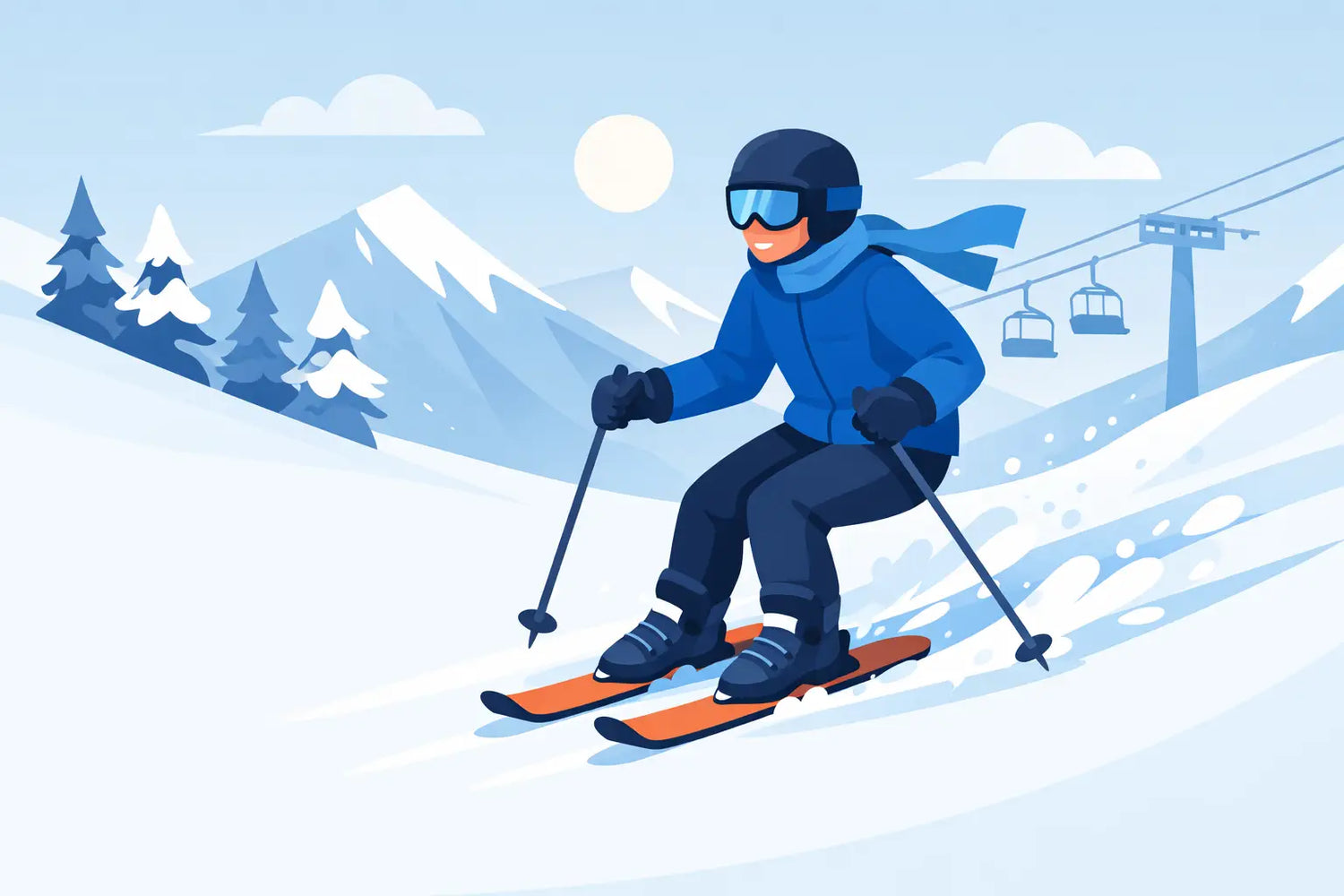
The first surprise with short skis is how normal they feel after about ten minutes. If you've ever stepped onto traditional skis and immediately felt like your legs were attached to two runaway ladders, this is the reset. Learning how to use short skis is usually less about fighting the gear and more about trusting your balance, staying centered, and letting the shorter length work in your favor.
That is exactly why short skis appeal to beginners, casual riders, and people coming from hockey, skating, or roller sports. They feel lighter, less awkward, and far less intimidating. You can move more naturally, recover more easily, and start having fun before the day turns into a battle.
Why short skis feel easier from the start
Short skis are more forgiving because there is less ski in front of and behind your boot. That changes everything. They are easier to pivot, easier to manage at low speed, and less likely to feel like they are crossing up or dragging you somewhere you did not mean to go.
For new riders, that usually means faster progress. You spend less time wrestling with long equipment and more time understanding the actual movements that make skiing work - balance, edging, pressure, and direction control. For skaters and hockey players, the learning curve can feel even shorter because the stance and edge awareness already make sense.
That does not mean short skis do all the work for you. They are easier, not automatic. If your weight gets too far back or you try to force sharp movements, they will still let you know.
How to use short skis: start with stance, not speed
Most beginners make the same mistake on snow. They focus on going, not standing. On short skis, your stance is the foundation for everything else.
Start in a relaxed athletic position. Knees bent, ankles flexed, chest up, and hands comfortably forward. Your weight should feel centered over the middle of your feet, not on your heels. If you feel like you are sitting in a chair, reset. That backseat position is the fastest way to lose control, especially when terrain changes.
A good cue is simple: stand ready, not rigid. You want enough flex in your legs to absorb the snow, but not so much tension that every movement becomes jerky. Short skis respond quickly, so small adjustments matter.
If you are coming from skating, this will feel familiar. If you are brand new, give yourself a few easy glides on flat terrain and focus only on balance. No turns. No speed. Just feel where centered is.
Your first movements on short skis
Once your stance feels stable, begin with straight glides on the gentlest possible slope. Keep your skis parallel and let them slide a short distance. The goal is not speed. The goal is comfort.
From there, practice stepping and pivoting. One of the best things about short skis is how manageable they feel when you need to make small direction changes. You do not need huge sweeping motions. A subtle rotation from your legs and hips is often enough.
This is where many first-timers get a confidence boost. Traditional skis can make beginners feel trapped in long, committed movements. Short skis usually feel more agile. You can correct mistakes faster. You can slow things down mentally. That lowers fear, and lower fear usually means faster learning.
Turning without overthinking it
Turning on short skis starts with pressure and direction, not brute force. Keep your body stacked over your feet and guide the turn with your legs. Think about pointing both skis where you want to go rather than twisting your whole upper body.
On easy terrain, begin with wide, gentle turns across the slope. Shift pressure slightly to the outside ski as you turn, while staying balanced over both feet. Your shoulders should stay quiet and generally face downhill, while your legs do the steering.
The biggest trap is doing too much. Because short skis are responsive, new riders sometimes over-rotate and end up wobbling or washing out. Use smaller inputs than you think you need. Smooth beats strong almost every time.
How to use short skis for easy linked turns
Once one turn feels comfortable, start linking them. Finish one arc, return to a centered stance, then guide into the next. Keep the rhythm steady. If you rush the transition, you will get thrown off balance.
A lot of beginners improve quickly when they stop trying to look advanced. Clean, mellow turns on easy terrain teach more than survival mode on steeper runs. Build control first. Style can show up later.
Stopping is a skill, not an emergency
A confident stop changes the whole day. When you know you can slow down and stop on purpose, everything feels more fun.
The most common beginner stop is a wedge, where the tips come closer together and the tails move apart. On short skis, that movement often feels less clunky than it does on long skis because the equipment is easier to position. Press gently through the inside edges and stay centered. If you lean back, the stop gets weaker and sloppier.
As you improve, you can move toward more parallel speed control by turning across the slope and using your edges more deliberately. But early on, there is nothing wrong with a reliable wedge. A simple stop that works is better than a fancy one you cannot repeat.
Common mistakes when learning how to use short skis
The first is leaning back. It feels safe for about one second, then it makes everything harder. You lose pressure on the front of the skis, your control gets vague, and turns become late.
The second is locking your legs. Stiff legs cannot absorb terrain or adapt to changes in snow. Keep some bounce in your stance.
The third is trying to progress too fast. Short skis can accelerate confidence quickly, which is great, but it can also tempt people onto terrain they are not ready for. Easy runs are not a step backward. They are where technique gets built.
The fourth is using the upper body too much. Wild arms and twisting shoulders usually create more problems than they solve. Let the lower body guide the skis while the upper body stays calm.
Where short skis really shine
Short skis are especially good for beginners, playful resort riding, quick learning, and riders who care more about fun than tradition. They are also a smart fit for travelers and casual users who do not want a heavy, complicated setup.
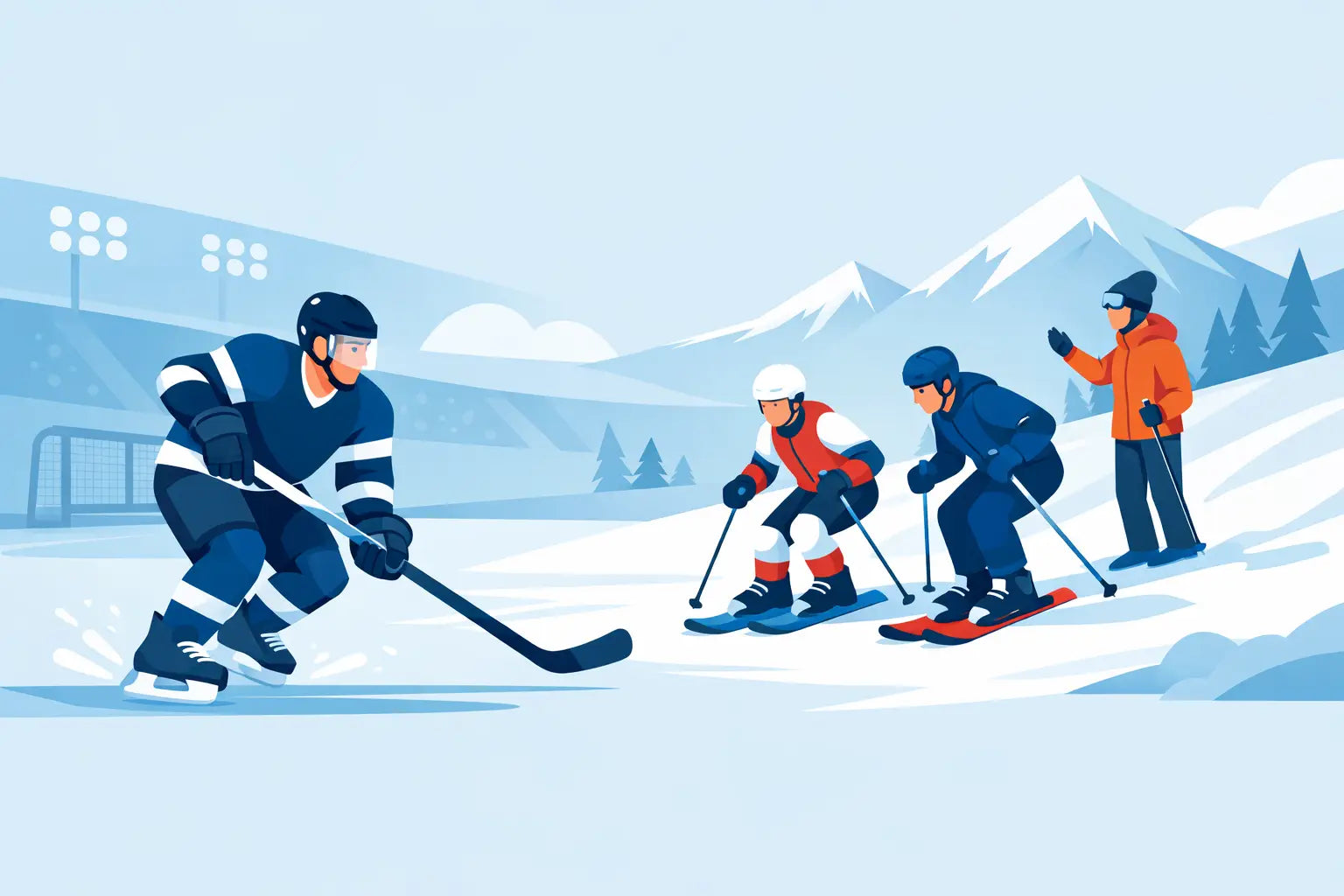
For crossover athletes, the appeal is even stronger. Hockey players often adapt quickly because they already understand edge pressure and athletic posture. Figure skaters tend to feel the balance piece early. Inline skaters usually like the mobility and quick response. Short skis turn existing instincts into progress on snow.
That said, it depends on what kind of skiing you want. If your goal is classic high-speed alpine performance in all conditions, longer traditional skis still have advantages in stability and edge hold at speed. But if your goal is learning faster, feeling safer, and enjoying the mountain sooner, short skis make a very strong case.
Gear matters less than confidence, but setup still counts
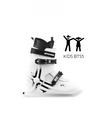
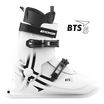
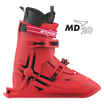
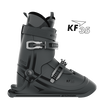
You do not need a giant checklist to get started. What you do need is equipment that feels intuitive and secure. That is part of why integrated short ski systems have gained attention - less complexity, fewer moving parts, and a more approachable first-day experience.
Tomsen Sports built its Novaskis around exactly that idea: easier learning, lower hassle, and a safer-feeling ride from the first session. For beginners, that kind of design can remove a lot of the friction that causes people to quit before they ever get comfortable.
Still, even easy gear works best when expectations are realistic. Wear a helmet. Start small. Give yourself a few runs to adapt. Confidence builds fastest when the setup and the terrain match your current level.
How to improve fast on your first day
Keep your first session focused on three things: centered stance, gentle turns, and controlled stops. If those pieces are coming together, you are doing it right. You do not need steep slopes or big speed to feel progress.
It also helps to repeat the same easy run a few times instead of constantly changing terrain. Familiarity removes noise. Once the hill feels predictable, your body can pay attention to technique.
And if you have a skating background, use it without forcing it. Your balance can help, but snow still behaves differently from ice or pavement. Let the similarities boost your confidence, not your ego.
Short skis have a way of making winter sports feel open again. Less gear drama. Less intimidation. More of that first clean turn where you realize this is actually fun. Start centered, stay relaxed, and let the skis do what they were built to do.


Leave a comment
Ezt a webhelyet a hCaptcha rendszer védi, és a hCaptcha adatvédelmi szabályzata, valamint szolgáltatási feltételei vonatkoznak rá.