










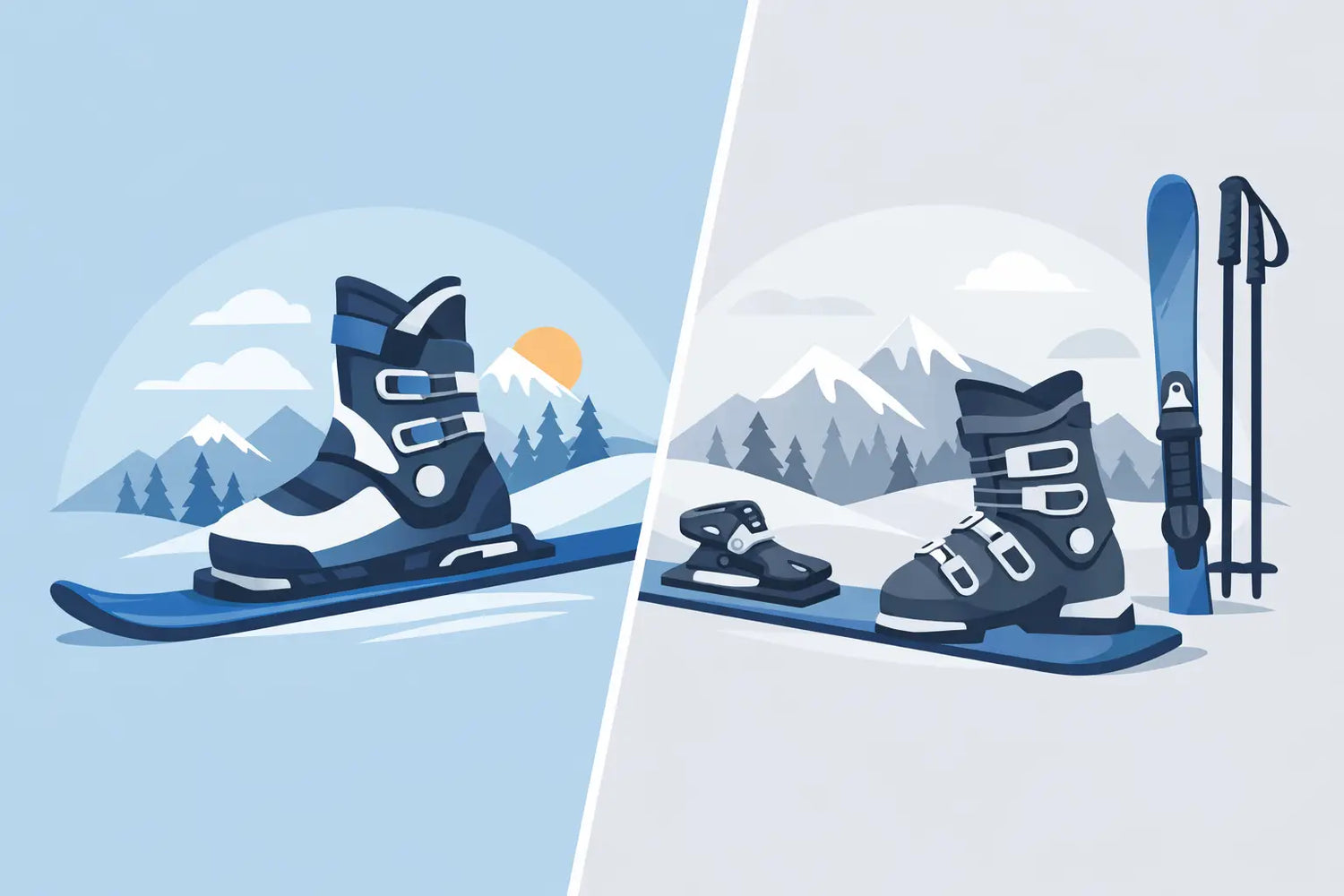
The first hour on snow usually decides everything. If your gear feels awkward, heavy, and hard to control, the day gets frustrating fast. That is exactly why integrated ski boots vs traditional ski setup has become such a big conversation for beginners, families, and anyone who wants less struggle and more actual skiing.
For decades, the standard approach was simple: separate skis, separate boots, separate bindings, poles, and a learning curve that could feel way too steep for a first-timer. Now there is another option - an integrated system that combines the boot and ski into one ready-to-ride product. That changes more than convenience. It changes how people start, how quickly they progress, and whether they want to come back for day two.
What integrated ski boots vs traditional ski setup really means
A traditional ski setup is the classic alpine package. You put on rigid ski boots, step into bindings mounted on separate skis, and manage multiple pieces of equipment before you even start moving. It is familiar, proven, and still the standard at most resorts.
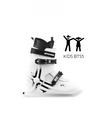
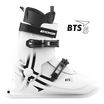
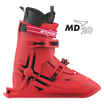
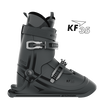
An integrated ski boot system takes a different path. The ski is built into the boot, creating one compact unit with no detachable parts. Instead of carrying long skis and clipping in and out, you put them on like footwear designed for snow performance. The appeal is obvious for new skiers: less gear, less setup, less intimidation.
This is not just a design tweak. It is a different product philosophy. Traditional skiing was built around performance progression inside an established sport. Integrated systems are built around access - making skiing easier to learn, easier to carry, and easier to enjoy from the start.
Learning curve: where the gap gets real
If you are new to skiing, the biggest difference is not technical specs. It is how fast your body understands what to do.
Traditional skis can feel unnatural at first. The ski length creates leverage and momentum that beginners often struggle to manage. Turning, stopping, and balancing all require coordination that takes time to build. For many people, day one is mostly about falling, getting up, and trying not to panic.
Integrated ski boots usually feel more intuitive, especially for people with backgrounds in hockey, figure skating, rollerblading, or inline skating. The movement pattern is closer to what they already know. You are standing on a shorter platform, which can make edging and balance feel more immediate and less intimidating.
That is a big deal because confidence changes learning speed. When people feel in control early, they try more, relax more, and improve faster. When they feel overgeared and unstable, they freeze up. That is one reason so many beginners quit after one day on the slopes.
For pure first-day accessibility, integrated systems have a clear advantage. Traditional skis still offer a bigger ceiling for classic alpine technique, but that matters later. For many buyers, the real question is simpler: what gets me enjoying snow sports this weekend, not next season?
Safety and fall risk
Safety is where this comparison gets personal fast. Most beginners are not worried about carving precision. They are worried about falling hard, twisting something, or feeling out of control.
Traditional ski setups involve longer skis, binding settings, and more moving parts. That system works well when properly fitted and used, but it also gives beginners more to manage. Crossing skis, catching an edge, or struggling with awkward stance mechanics are common first-day problems.
Integrated ski boots are designed to reduce complexity. With no detachable skis and a shorter contact area, many users feel more stable and more connected to the snow. That can lower the fear factor right away. A lower, more compact setup often feels less aggressive than traditional skis, which helps cautious beginners commit to movement instead of bracing against it.
That said, no winter sport is risk-free. Snow conditions, slope choice, speed, and user behavior still matter. Integrated gear can make skiing feel safer and more approachable, but smart progression still counts. Easy equipment is not a license to skip common sense.
Convenience off the slope matters more than people admit
A lot of gear comparisons focus only on downhill performance. That misses a huge part of the actual experience.
Traditional ski gear is a hassle to move around. Long skis are awkward in parking lots, crowded lodges, rental lines, stairways, and car trunks. Ski boots are stiff and clunky to walk in. For parents managing kids, or casual travelers squeezing gear into a weekend trip, that friction adds up before the first run even begins.
Integrated ski boots win hard on portability and simplicity. They are compact, easier to carry, easier to store, and easier to put on. There is no separate set of skis to drag around. For many people, that alone makes winter sports feel more realistic and less like a logistics problem.
This matters because convenience is part of participation. The easier it is to grab your gear and go, the more often you actually use it. A product that performs well but stays in storage because it is annoying to transport is not really helping anyone.
Cost: upfront price vs total setup cost
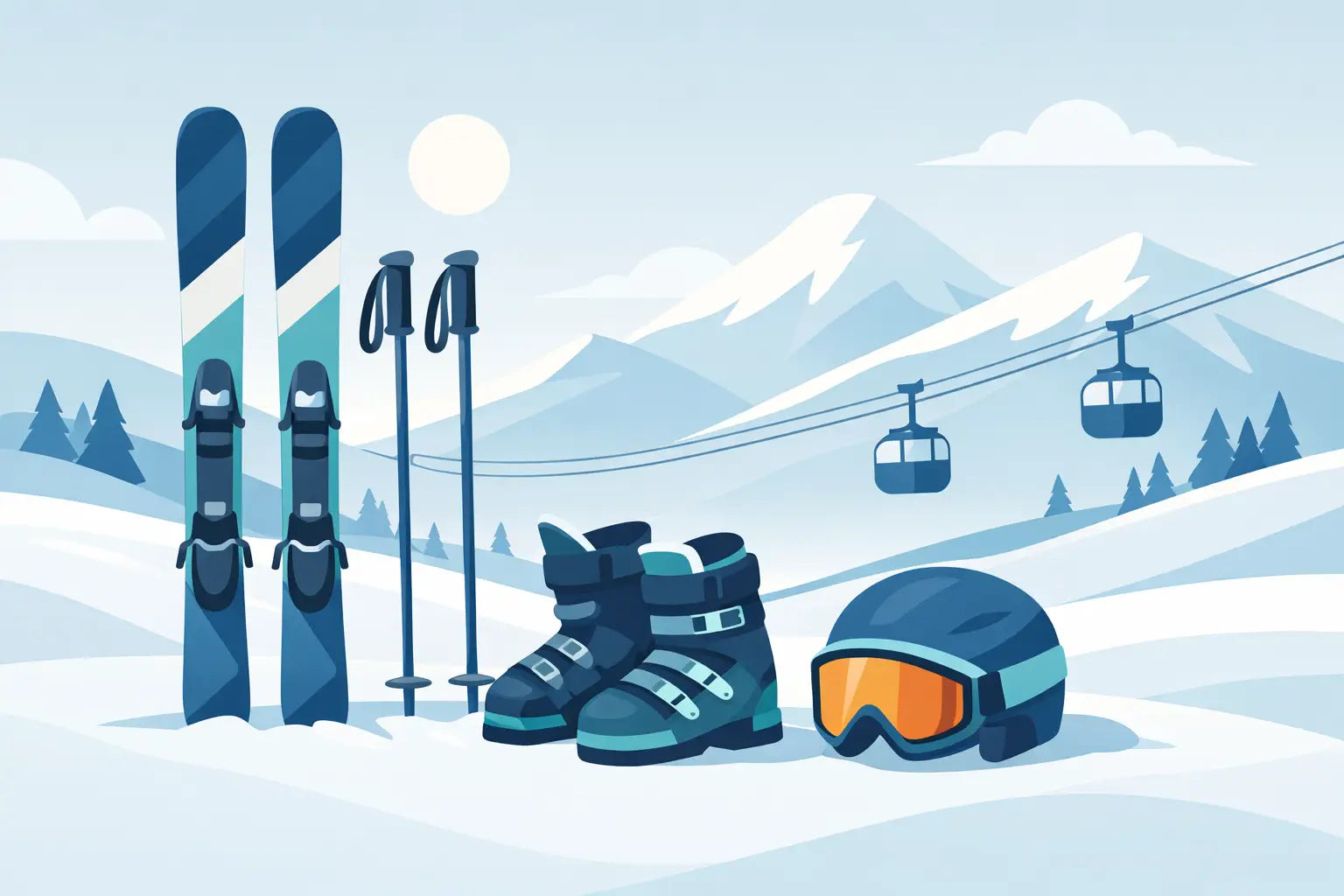
Traditional skiing has a reputation for being expensive because it usually is. Boots, skis, bindings, poles, helmets, goggles, bags, apparel, and tuning all stack up quickly. Even rentals can get pricey if you go more than a few times a season.
Integrated systems simplify the buying decision. One core product replaces multiple separate items, which can bring down total cost. For value-conscious families and first-time buyers, that matters. They are not trying to build a lifelong quiver. They want one smart purchase that gets them on snow without a huge financial leap.
This is where brands like Tomsen Sports have pushed the category forward. The pitch is simple and sharp: easier to learn, less intimidating to use, and often 30 to 50 percent less expensive than a traditional ski or snowboard setup. For a beginner deciding whether winter sports are worth the investment, that is a strong argument.
Traditional setups still make sense for advanced skiers chasing speed, terrain variety, and specialized performance. But if your goal is affordable fun, faster learning, and fewer moving parts, integrated gear has real financial logic.
Performance trade-offs: who gets the most from each option?
This is the part where honesty matters. Integrated ski boots are not trying to be a copy of traditional alpine skis. They are trying to solve a different problem.
If you are an experienced skier who loves long turns, steep groomers, and the feel of a full-length ski underfoot, a traditional setup may still be your preferred ride. It is built for established technique, speed control at higher performance levels, and terrain versatility across the mountain.
If you are a beginner, casual rider, family skier, or crossover athlete from skating sports, integrated systems may give you a better experience much sooner. They are less about old-school ski culture and more about immediate enjoyment. You do not need to earn the fun after two painful days of lessons.
That trade-off is worth saying clearly. Traditional gear may offer more top-end technical potential. Integrated gear often offers more day-one usability. For a lot of modern consumers, that is not a compromise. That is the whole point.
Who should choose integrated ski boots?
If you want the shortest path from curiosity to confidence, integrated ski boots make a lot of sense. They are especially appealing for first-timers, kids, parents, casual vacationers, and athletes coming from hockey or skating backgrounds. They fit the way people actually shop now too - simpler products, faster learning, lower hassle.
They also make sense for anyone turned off by the complexity of traditional ski gear. If detachable parts, rental shop confusion, carrying skis, and stiff boots are the reasons you have delayed trying skiing, an integrated setup removes a lot of that friction.
Traditional skiing still has its place. It is the established format for resort culture, formal instruction, and high-performance progression. But not everyone wants that version of the sport. Some people just want to feel the snow, link a few turns, and have fun without needing a gear education first.
The better question is not which is more traditional
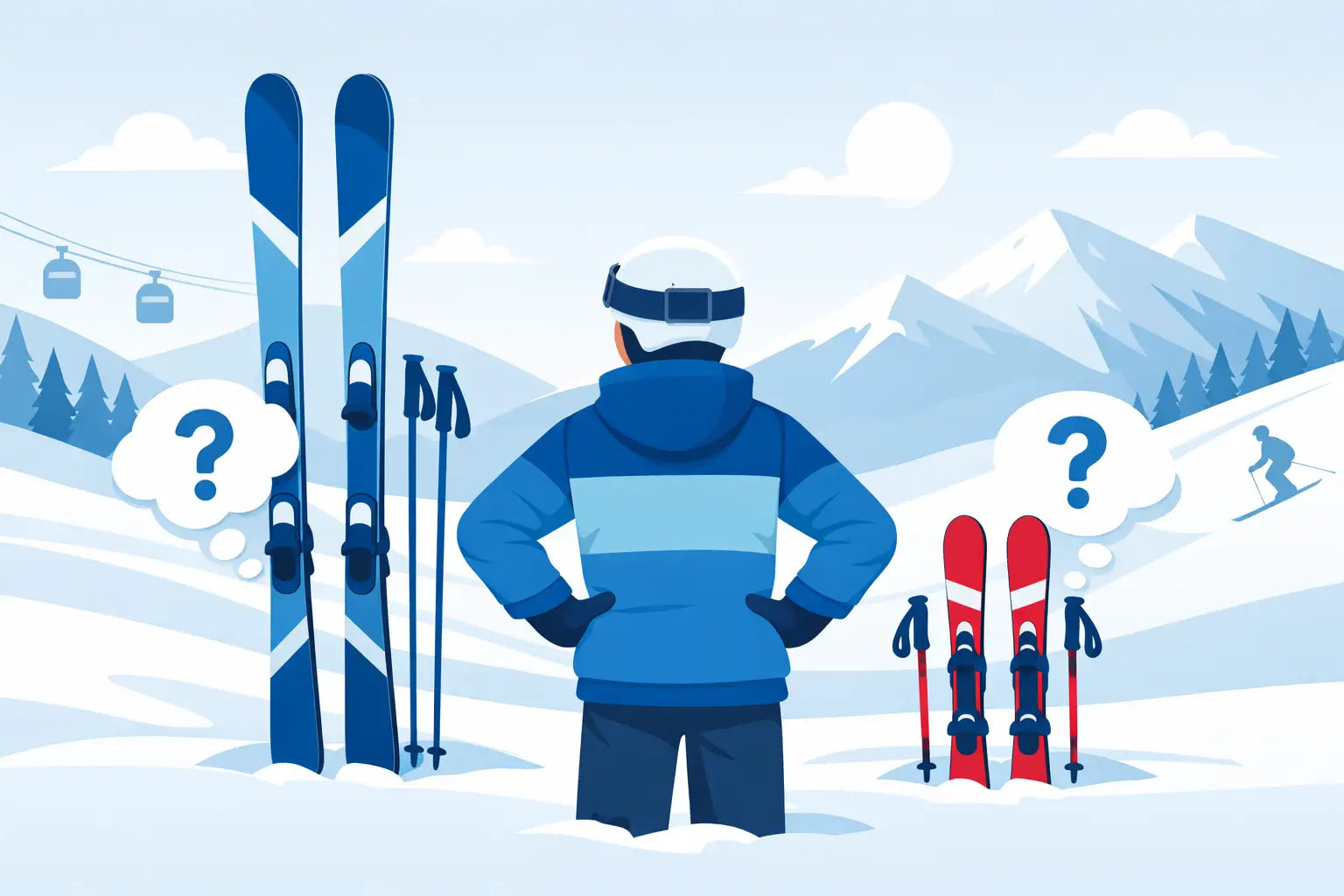
When people compare integrated ski boots vs traditional ski setup, they often default to what has been around longer. That is the wrong benchmark. The better question is which setup matches how you want to learn, move, and spend your time on snow.
If you want the classic alpine path, traditional skis are still there. If you want a faster, easier, more approachable way in, integrated gear is not a shortcut in a bad sense. It is smart design catching up with what beginners have needed for years.
The best winter sport setup is the one that gets you smiling early, progressing quickly, and wanting another run instead of another break.


Leave a comment
Ezt a webhelyet a hCaptcha rendszer védi, és a hCaptcha adatvédelmi szabályzata, valamint szolgáltatási feltételei vonatkoznak rá.