






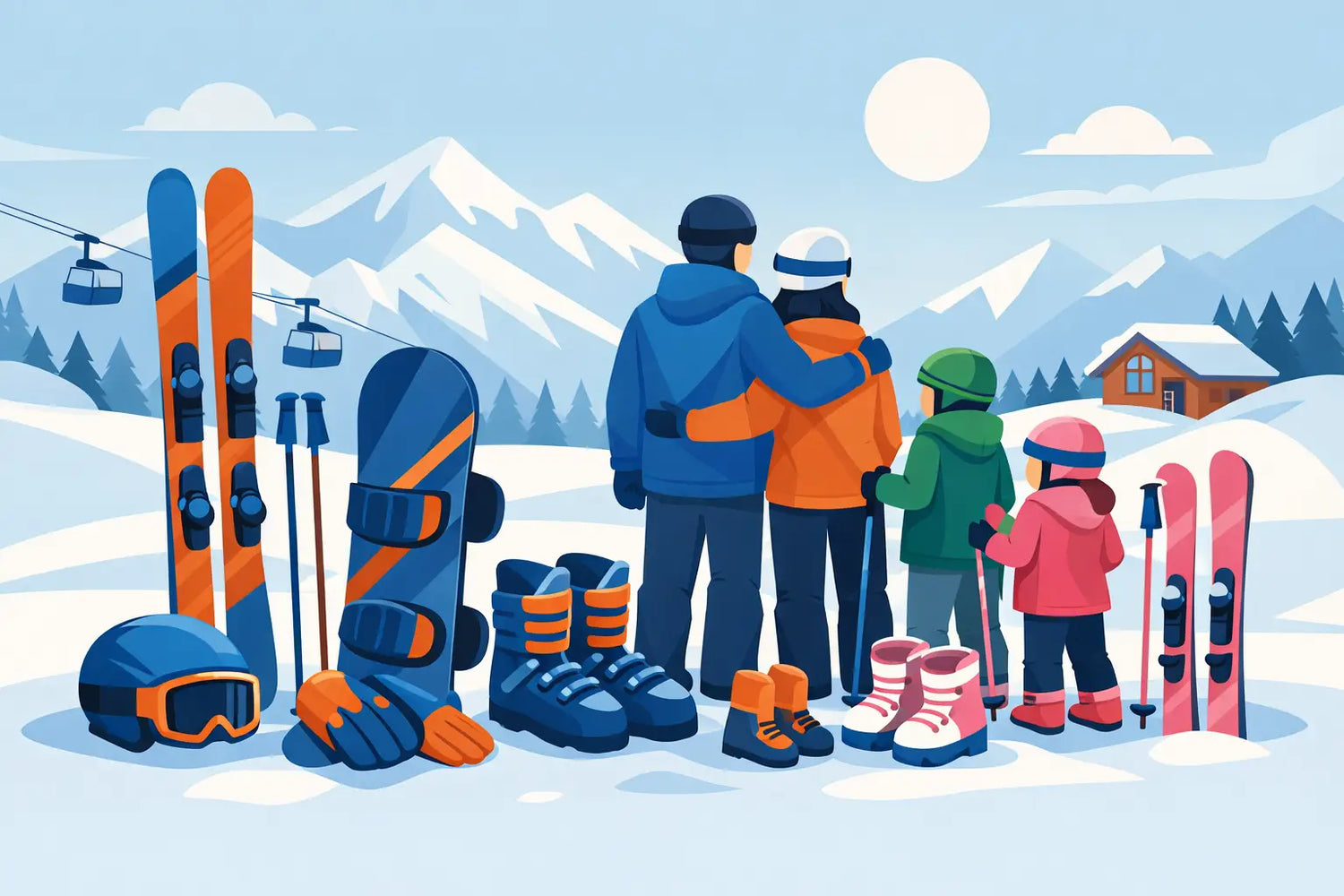
A family ski day usually goes sideways before anyone reaches the lift. One kid is too cold. Another can’t walk in stiff boots. A parent is carrying helmets, gloves, and somebody’s missing goggle. That is exactly why choosing the best ski gear for families is not about chasing the most technical setup. It is about reducing friction, building confidence fast, and making sure everyone actually wants to do it again next weekend.
For most families, the right gear is the gear that gets you from the parking lot to the snow with less drama. That means comfort matters. Simplicity matters. Safety matters. And if you are introducing kids or first-time adults to winter sports, easy learning matters more than anything else.
What the best ski gear for families really needs to do
A lot of buyers start by comparing brands, price tags, and pro-level features. Families should start somewhere else. Ask one question first: will this setup help everyone spend more time enjoying the snow and less time struggling with equipment?
That changes the shopping list right away. The best family gear is durable, warm, adjustable, easy to carry, and forgiving for beginners. It should also work across different energy levels and skill levels. If one parent has skied for years but the kids are brand new, your gear decisions need to bridge that gap.
This is where traditional ski setups can get complicated. Separate boots, skis, bindings, poles, bags, and accessories can add cost and confusion fast. For experienced skiers, that complexity may be fine. For families just getting started, it can feel like too much before the first run.
Start with the gear that shapes the whole experience
If you are skiing as a family, your footwear and ride system deserve the most attention. Boots that hurt, gear that is hard to put on, or equipment that takes hours to get comfortable with can ruin the day early.
Traditional skis still make sense for families who already know the sport and want a classic alpine setup. They offer performance, range, and familiarity. But there is a trade-off. Traditional setups usually ask for more coordination, more gear handling, and a steeper learning curve. That is manageable for committed skiers. It is less ideal for nervous beginners or families with young kids.
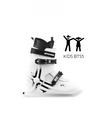
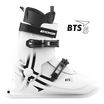
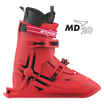
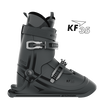
A simpler approach can be a better fit, especially for first-timers and crossover athletes coming from hockey, skating, or roller sports. Integrated systems like Novaskis remove much of the setup friction because the ski is built into the boot. No detachable parts. Less bulk. Easier transport. Faster learning. For families who care more about getting confident quickly than mastering old-school technique, that shift can be huge.
That is also where value shows up in a real way. A lower-cost setup is nice, but the bigger win is reducing the chance that someone quits after one frustrating day.
Best fit by family type
If your family is brand new to snow sports, prioritize ease of use over tradition. If your family already skis regularly and wants higher-speed carving across varied terrain, classic skis may still be the better choice. And if your kids learn quickly but get overwhelmed by complicated gear, a more intuitive system can be the sweet spot.
Helmets, goggles, and protection are not optional
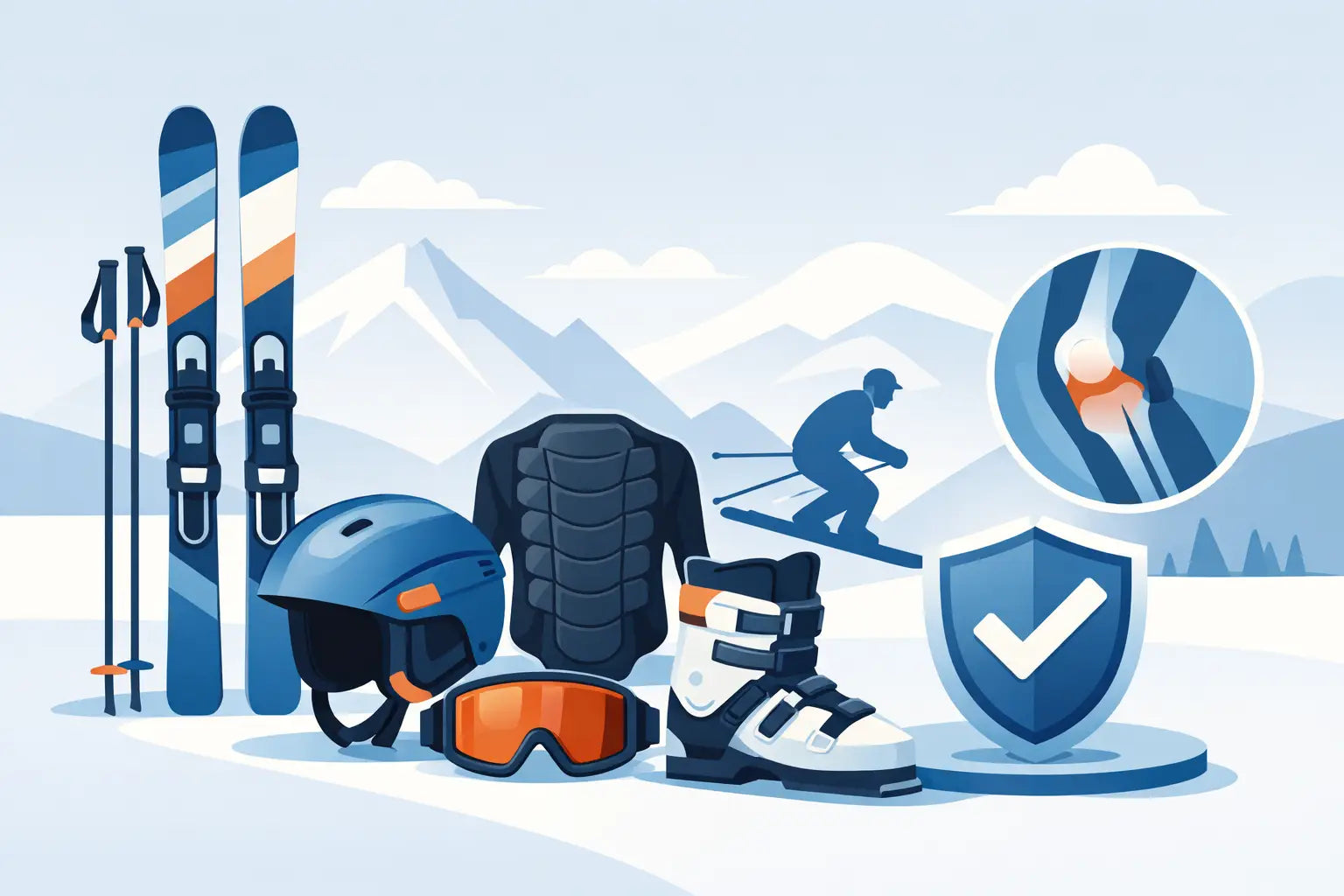
The best ski gear for families always includes strong protective essentials. A quality helmet should fit snugly without pressure points. Kids grow fast, so adjustability matters. A helmet that shifts around is not doing its job.
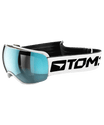
Goggles matter more than many parents expect. Cold wind, glare, and flat light can make new skiers feel even more uneasy. Good goggles improve visibility, comfort, and confidence. Look for anti-fog performance, an easy strap system, and enough ventilation to prevent moisture build-up during stop-and-go family sessions.
Gloves or mittens can make or break the day too. For younger kids, mittens are often warmer and easier. For older kids and adults, gloves offer more dexterity. Either way, waterproofing matters. Wet hands turn into complaints fast.
Some families also benefit from impact shorts or padded layers for beginners. They are not essential for everyone, but they can make those first falls less intimidating. That can be a smart move if your child is cautious or your family is trying snow sports for the first time.
Clothing should be warm, but not overbuilt
Parents often overbuy outerwear and underbuy layering. The best family ski clothing is not necessarily the most expensive jacket on the wall. It is the system that keeps everyone warm without overheating.
Start with a moisture-wicking base layer. Add an insulating mid layer if needed. Finish with a waterproof outer shell or insulated jacket and pants suited to the conditions. That setup gives families flexibility when weather shifts during the day.
One-piece snowsuits can work brilliantly for toddlers and very young kids because they keep snow out and simplify dressing. Older kids usually do better with separate jackets and pants because they are easier to adjust, easier for bathroom breaks, and more useful across different winter activities.
Don’t overlook socks. Thick does not always mean better. A good ski sock should be warm, breathable, and smooth inside the boot. Too much bulk can make feet colder by reducing circulation.
Family-friendly gear should be easy to carry and easy to store
This part gets ignored until you are dragging half the garage through a crowded resort lot.
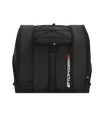
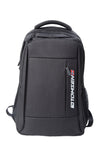
Portability matters. Lightweight gear matters. Compact storage matters. Families are managing multiple people at once, not just one athlete dialing in a perfect setup. When gear is simpler to carry, easier to pack, and faster to put on, the whole day feels lighter.
That is one reason many new families are rethinking traditional equipment. Large ski bags, loose components, and boot discomfort are accepted parts of the old experience, but they do not have to be. Modern systems that cut bulk and simplify transport are not just convenient. They make skiing more realistic for casual trips, shorter sessions, and travel-heavy weekends.
Where to spend more and where to save
Not every category deserves the same budget.
Spend more on the equipment that affects safety, comfort, and progression. That usually means your ride system, helmet, and goggles. Save more carefully on apparel, especially for fast-growing kids. Seasonal outerwear gets outgrown quickly, so versatility and fit matter more than premium branding.
Renting can still make sense for families testing the waters. But repeated rental days add up, and they come with compromises on fit, familiarity, and convenience. If your family plans to go more than a few times, owning the right setup often becomes the better long-term move.
There is also the hidden cost of difficult gear. If a setup feels intimidating, heavy, or painful, your child may not want a second day. That is not just a bad outing. That is money spent on an experience nobody wants to repeat.
Best ski gear for families with beginners
Beginners need gear that supports quick wins. That means stable, confidence-building equipment and fewer moving parts. It also means realistic expectations from parents. The goal of day one is not style points. It is smiles, balance, and enough success that everyone wants to come back.
For beginner families, gear that helps users feel in control early can change everything. Faster learning creates momentum. Momentum creates fun. And fun is what turns a one-time snow trip into a winter habit.
This is especially true for kids and crossover athletes. Hockey players, skaters, and inline athletes often adapt faster when the movement feels more natural and less mechanically demanding. They do not want to spend half the day wrestling with equipment before they can enjoy the ride.
That is why brands challenging the old setup are getting attention. Tomsen Sports has built its approach around safer, easier, faster-learning gear, and that message lands for families because it solves a real problem. Less complexity. Less intimidation. More time actually skiing.
The gear checklist that actually matters
Before you buy, think through your family’s real use case. How often will you go? Are your kids true beginners? Are you driving up for day trips or flying with equipment? Do you want classic ski performance, or do you want the easiest path to confidence and fun?
The best setup usually includes a ride system matched to experience level, a well-fitted helmet, reliable goggles, waterproof handwear, layered clothing, and simple carrying solutions. Beyond that, every upgrade should earn its place.
A lot of families buy for the version of skiing they imagine they will do in three years. Buy for the season in front of you. The best gear is not the most impressive gear. It is the gear that gets your family outside, keeps everyone comfortable, and makes learning feel exciting instead of exhausting.
If your next ski trip feels easier before you even leave the house, you probably chose well.


Leave a comment
This site is protected by hCaptcha and the hCaptcha Privacy Policy and Terms of Service apply.