

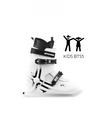
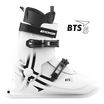
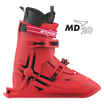
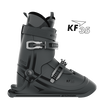
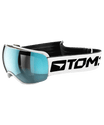





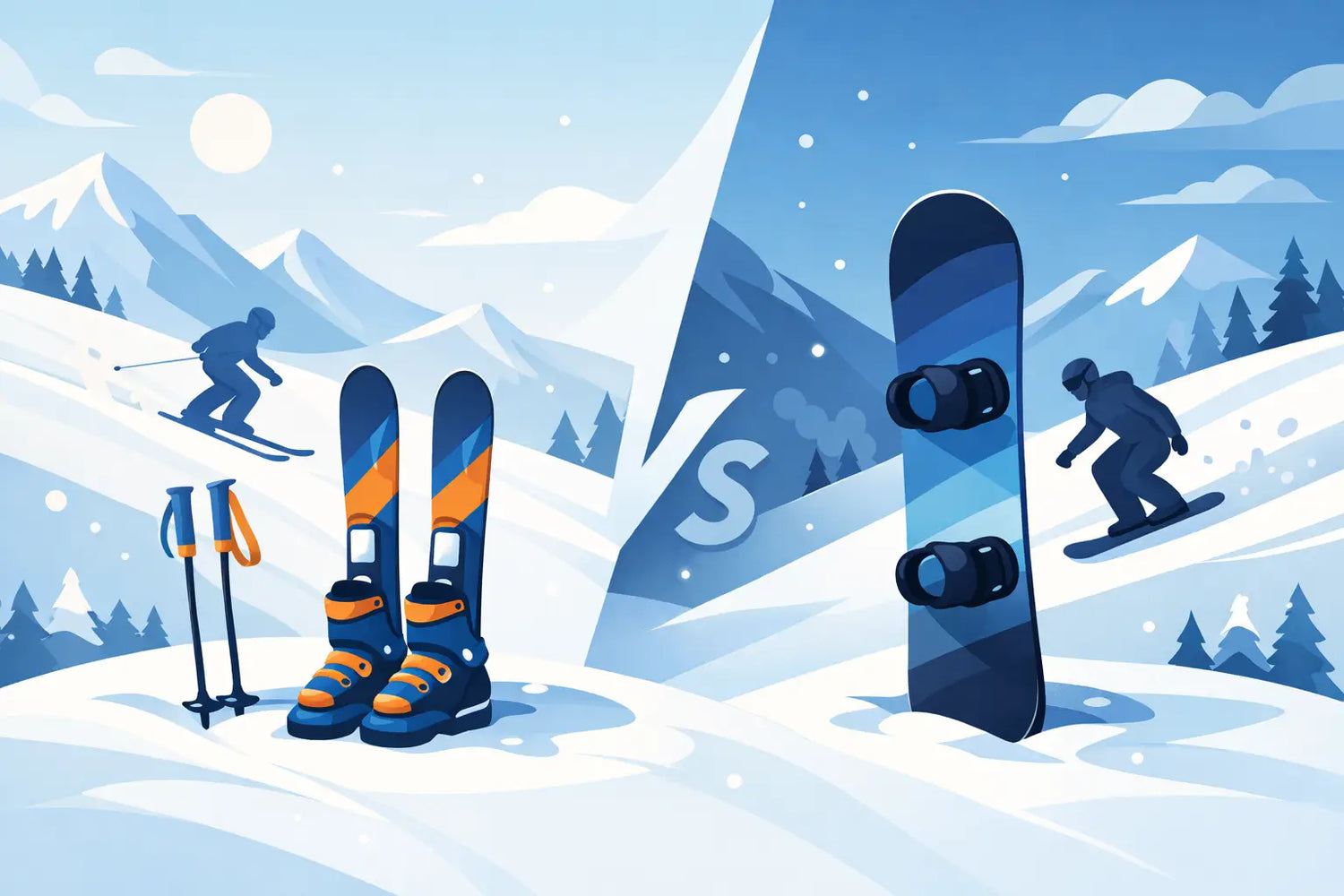
You feel it the second you step onto snow for the first time. One option looks familiar but awkward. The other looks cool but a little unforgiving. That is why the short skis vs snowboard question matters so much for beginners - your first few hours can decide whether you get hooked for life or spend the day frustrated, cold, and sitting in the snow.
If your goal is simple, this comparison gets a lot clearer. Most first-timers are not chasing style points or advanced tricks. They want to feel stable, stop without panic, and have fun fast. That shifts the conversation away from mountain culture and back to what actually helps a new rider succeed.
Short skis vs snowboard for beginners
For pure ease of entry, short skis usually give beginners a faster start than a snowboard. The biggest reason is simple - each foot can move more naturally, your stance feels less locked in, and balance tends to be easier to find. On a snowboard, both feet are fixed sideways on one board, which can feel unnatural at first, especially when getting on and off lifts, skating on flat areas, or standing up after a fall.
Short skis also make fear smaller. Traditional long skis can feel bulky and difficult to control for new users. A shorter ski platform is less intimidating. It is easier to turn, easier to manage at slow speeds, and generally easier to recover when your technique is still rough. For anyone who wants less hassle and more early confidence, that matters.
That does not mean snowboards are a bad choice. Plenty of riders love the surfy feel, and once the basics click, snowboarding can feel smooth and playful. But the first-day reality is often harsher. Beginners spend a lot of time learning edge control, dealing with heel-side and toe-side balance, and taking frequent falls while they figure out how not to catch an edge.
Learning curve: where most people win or quit
This is where the difference becomes real. With short skis, many beginners can start gliding, turning gently, and stopping with basic confidence much sooner than they can on a snowboard. The learning curve feels less steep because the movement pattern is more intuitive. Face forward. Shift weight. Turn each leg more independently. Repeat.
On a snowboard, the first breakthrough can take longer. There is often a rough early phase where everything feels awkward at once. You are sideways. Both feet are attached. Your weight distribution matters more than you expect. And small mistakes can throw you down hard. Some riders push through that and love it. Others decide winter sports are not for them.
That is one reason simpler ski alternatives have started getting real attention. Brands like Tomsen Sports are building around a beginner-first idea: cut the complexity, reduce the learning curve, and make snow feel fun on day one instead of day three. For new riders, that is not a minor upgrade. It changes the whole experience.
Control and stopping power
Beginners do not care about abstract performance language. They care about one thing - can I control this thing before it controls me?
Short skis usually feel more forgiving here. Because the platform is smaller and easier to maneuver, low-speed control often comes faster. Turning can feel more direct, and stopping tends to be easier to learn without committing to a fully sideways board position.
Snowboards can absolutely be controlled well, but they ask for cleaner edge awareness earlier. Catching an edge is one of the classic beginner snowboard problems because the board punishes certain mistakes quickly. That creates a stop-start learning day filled with falls, hesitation, and repeated attempts to get comfortable.
If you are coming from hockey, figure skating, or inline skating, short skis may feel especially natural. The transfer of balance, edging, and lower-body control is often much faster. A snowboard can still work for crossover athletes, but the stance and movement pattern are less familiar.
Comfort, falls, and beginner confidence
Here is the part many comparison articles gloss over. Falling changes everything.
Snowboarding beginners often fall more often and harder in the early sessions. Wrist, tailbone, shoulder, and knee discomfort are common topics for a reason. Since both feet are attached to one board, awkward falls can be repetitive while you learn. If you are young, athletic, and determined, you may shrug that off. If you are a casual traveler, a parent, or someone trying snow sports for fun on vacation, that can kill the mood fast.
Short skis tend to be easier on confidence because they often allow more natural recovery movements. You can separate your legs, adjust your stance, and regain balance in ways that feel more intuitive. Less panic usually means more progress.
That emotional side matters. A lot of beginners do not quit because they lack ability. They quit because the sport feels punishing too early.
Short skis vs snowboard on lifts and flat terrain
This is another beginner issue that deserves more attention. The mountain is not just downhill. You have lift lines, loading zones, unloading ramps, and long flat stretches that can make a first day surprisingly annoying.
Short skis are generally easier to handle in these situations. Moving through lift areas feels more straightforward, and flat terrain is less of a battle. Snowboards are notorious for making flat sections frustrating, especially for new riders who have not mastered momentum and one-foot skating.
Lifts can also feel simpler on short skis because your body position stays more natural. Snowboarders often need more practice getting on and off smoothly. It gets easier with experience, but for beginners it adds another layer of stress.
Cost and gear complexity
This part matters more than people admit. A winter sport that feels expensive and complicated before you even start is a hard sell for new participants.
Traditional snowboard setups can be fairly straightforward, but there is still a process. Board, bindings, boots, setup choices, sizing questions. Traditional skis come with their own gear complexity too, and long skis plus boots can be a hassle to carry, store, and transport.
That is where short ski systems have a strong edge when they are designed as an all-in-one solution. Less gear drama. Less setup confusion. More grab-and-go energy. For families, travelers, and first-time users, convenience is not a luxury. It is often the difference between buying in and backing out.
Who should choose short skis?
If you want the fastest path to basic confidence, short skis are usually the smarter pick. They make sense for true beginners, casual vacation riders, families with kids, and crossover athletes from skating or hockey backgrounds. They also fit people who care more about fun, safety, and simplicity than about committing to a long technical progression.
They are especially appealing if you want a winter sport that feels approachable right away. Less gear. Less intimidation. Less time spent on the ground.
Who should choose a snowboard?
A snowboard can still be the right choice if you love the sideways stance, want that surf-inspired feel, or are motivated enough to push through a tougher first phase. Some riders simply connect with the style and flow of snowboarding more strongly, and that matters.
If you are patient, willing to take more falls early, and excited by the culture and riding style, a snowboard can be a great fit. It is just not usually the easier first-day option.
The real answer to short skis vs snowboard
If you strip away image and tradition, the answer is pretty direct. Short skis are usually easier to learn, easier to control at low speeds, and easier to enjoy quickly. Snowboards can be incredibly fun, but they often ask beginners to absorb more discomfort and frustration before the fun really starts.
For most new riders, that trade-off is the whole game. The best choice is not the one that looks coolest in theory. It is the one that gets you sliding with confidence, smiling early, and wanting another run instead of a break in the lodge.
That is why the smartest beginners are starting to think differently about snow gear. Not harder. Not more technical. Just easier to love from the first hour.
Choose the option that gets you moving sooner and worrying less. Winter is a lot more fun when your gear feels like a shortcut, not a test.


Leave a comment
Ezt a webhelyet a hCaptcha rendszer védi, és a hCaptcha adatvédelmi szabályzata, valamint szolgáltatási feltételei vonatkoznak rá.