











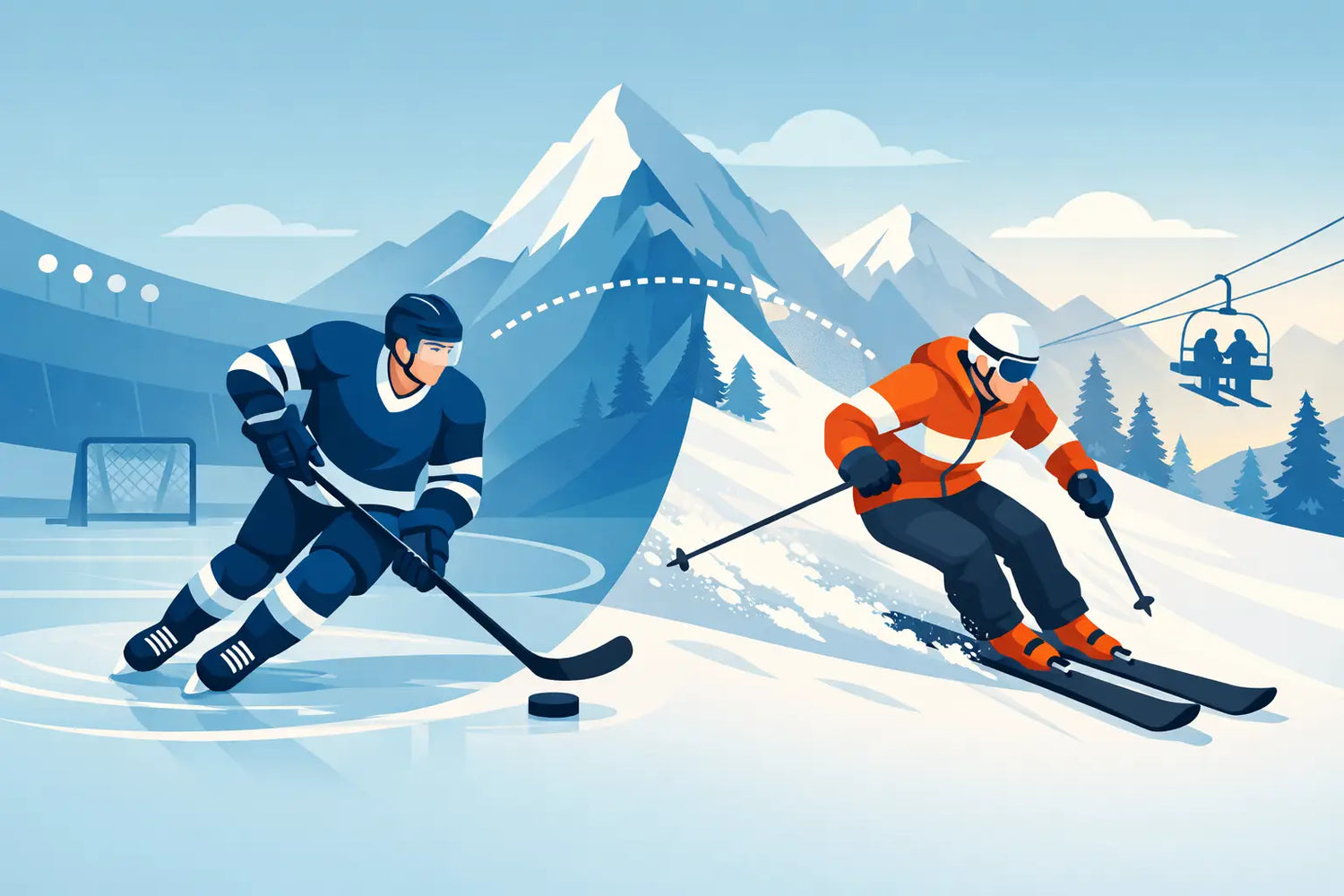
Step onto snow after years on the ice and one thing becomes obvious fast: the question is not just can hockey players learn skiing faster, but how much of that hockey skill actually carries over. The short answer is yes, often by a lot. Hockey players usually show up with balance, edge awareness, lower-body strength, and the kind of comfort with speed that makes first runs far less intimidating than they are for a total beginner.
But this is where people get tripped up. Faster does not mean automatic. Ice is not snow. A hockey stop is not a ski turn. And confidence can help just as much as it can hurt if it pushes someone into terrain they are not ready for.
Why can hockey players learn skiing faster?
The biggest reason is familiarity with movement under pressure. Hockey players are used to controlling direction on a slippery surface while staying athletic, low, and reactive. That matters on skis because beginners who lack that background often spend their first hours fighting fear, stiffness, and awkward body positioning.
Hockey players usually skip part of that struggle. They tend to trust their legs. They are comfortable bending their knees. They understand how small changes in pressure affect grip and glide. Even before they know formal ski technique, they often have a better feel for balance than someone walking onto a slope for the first time.
Edge control is another major advantage. On skates, players learn to roll onto edges to carve, cut, and stop. On snow, the mechanics are different, but the concept is familiar. That makes the learning curve less steep. A hockey player may not execute a perfect ski turn on day one, yet they often understand the sensation of using edges instead of just sliding passively downhill.
Then there is mental comfort. Speed scares a lot of first-timers. Hockey players are generally less rattled by movement, momentum, and quick changes in direction. That means they can focus on technique sooner instead of spending the whole session trying not to panic.
What hockey skills transfer to skiing
Several hockey habits carry over in a useful way. Balance is the obvious one, especially dynamic balance while moving. Skiing is not about standing still in a perfect pose. It is about staying centered while the ground changes under you. Hockey players are already wired for that.
Lower-body strength helps too. Quads, glutes, ankles, and core all work hard in both sports. A hockey player often has the leg endurance to stay athletic longer, which leads to more productive practice and fewer sloppy movements from fatigue.
Lateral movement awareness also matters. Hockey players know how to shift weight from side to side without losing control. That is valuable when learning how to steer and shape turns.
And maybe the most underrated transfer is body confidence. A beginner with no similar sport background often feels disconnected from the equipment. Hockey players usually do not. They are used to standing on something narrow, trusting edges, and reacting quickly.
Where hockey players can struggle on skis
This is the part nobody should ignore. Being good at hockey can make skiing easier to start, but it can also create bad assumptions.
The first issue is stance. Hockey players often carry a more forward, aggressive, compact posture that works great on skates. On skis, especially for beginners, that same posture can get too busy or too back-and-forth. Skiing rewards centered pressure and smoother, more patient movement.
Stopping is another adjustment. A hockey stop feels natural on ice, but snow responds differently. Beginners who try to force a skate-style stop on skis often end up skidding awkwardly or getting crossed up. The instinct is useful, but it needs to be retrained.
Terrain is the bigger shock. Hockey happens on a flat controlled surface. Skiing adds slope angle, changing snow texture, visibility, and uneven terrain. That is where many athletic first-timers realize they still need to learn the mountain, not just the equipment.
There is also the confidence trap. Hockey players may progress faster than average, but that does not make them advanced skiers overnight. The mountain punishes overconfidence fast.
Can hockey players learn skiing faster than other beginners?
In most cases, yes. Compared with someone with no skating, hockey, or board-sport background, a hockey player usually gets comfortable moving on snow sooner. They often link early turns faster, recover balance better, and feel less overwhelmed on beginner terrain.
That said, not every hockey player will learn at the same pace. A youth player with strong edge awareness may adapt quickly. A recreational adult who has not skated in years may still need time. Athletic crossover helps, but it does not replace instruction, repetition, or good judgment.
The equipment choice matters too. Traditional skis can still feel like a lot for new riders, especially if they are juggling boots, bindings, poles, and a movement pattern they have never used before. That complexity is one reason many beginners stall early, even if they have talent.
The fastest path from hockey to snow
If the goal is quick progress, keep the first day simple. Start on mellow terrain. Focus on stance, braking, and controlled turns before chasing speed. Hockey players improve fastest when they respect the differences instead of trying to out-athlete them.
Short learning cycles work best. Try a movement, feel the result, adjust, repeat. That style fits hockey players well because they are used to fast feedback. The key is making sure the feedback is building ski habits, not just reinforcing skate instincts.
This is also why simpler gear can be a huge advantage. For crossover athletes, the best setup is often the one that removes friction from learning. Less complexity. Less intimidation. More time actually riding.
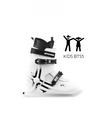
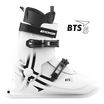
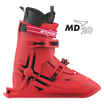
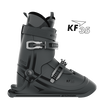
For many beginners coming from hockey, that is exactly why Novaskis feel so natural. The integrated design cuts out a lot of the setup and coordination that can make traditional skiing feel clunky at first. Instead of wrestling with multiple pieces of gear, new riders can focus on what they already do well - balance, edging, and movement. That is a big reason people can start feeling in control within 1 to 2 hours instead of spending 1 to 2 days just trying to get comfortable.
Can hockey players learn skiing faster on beginner-friendly equipment?
Absolutely. Skill transfer only matters if the equipment lets you use it. A hockey player may have the balance and edge instincts to progress quickly, but if the setup feels bulky, awkward, or intimidating, that advantage gets muted.
Beginner-friendly equipment changes the experience from the first run. It lowers the fear factor. It makes movement feel more intuitive. It reduces the mental overload that comes from dealing with too many separate variables at once.
That is especially important for new skiers who want fun on day one, not a full weekend of frustration. The easier the setup is to understand, the faster a hockey player can start converting existing skill into real downhill control.
What to expect on day one
A hockey player on snow will probably feel unstable for the first few minutes, then surprisingly capable once they relax. The turning motion may feel unfamiliar, and stopping may take practice, but basic movement often clicks faster than expected.
Most crossover athletes do well when they stay patient through that first awkward phase. Snow has its own rhythm. The goal is not to ski exactly like you skate. The goal is to use your skating background as a head start.
That head start is real. Better balance. Better edge feel. Better comfort with motion. Those are serious advantages.
Still, the best results come from respecting the learning process. Start easy. Keep your movements clean. Let confidence build on actual control, not just athletic instinct.
Because yes, hockey players can learn skiing faster. Often much faster. But the real win is not just learning quickly. It is finding an easier, safer, more fun way to enjoy the mountain from the very first session.



Leave a comment
This site is protected by hCaptcha and the hCaptcha Privacy Policy and Terms of Service apply.