










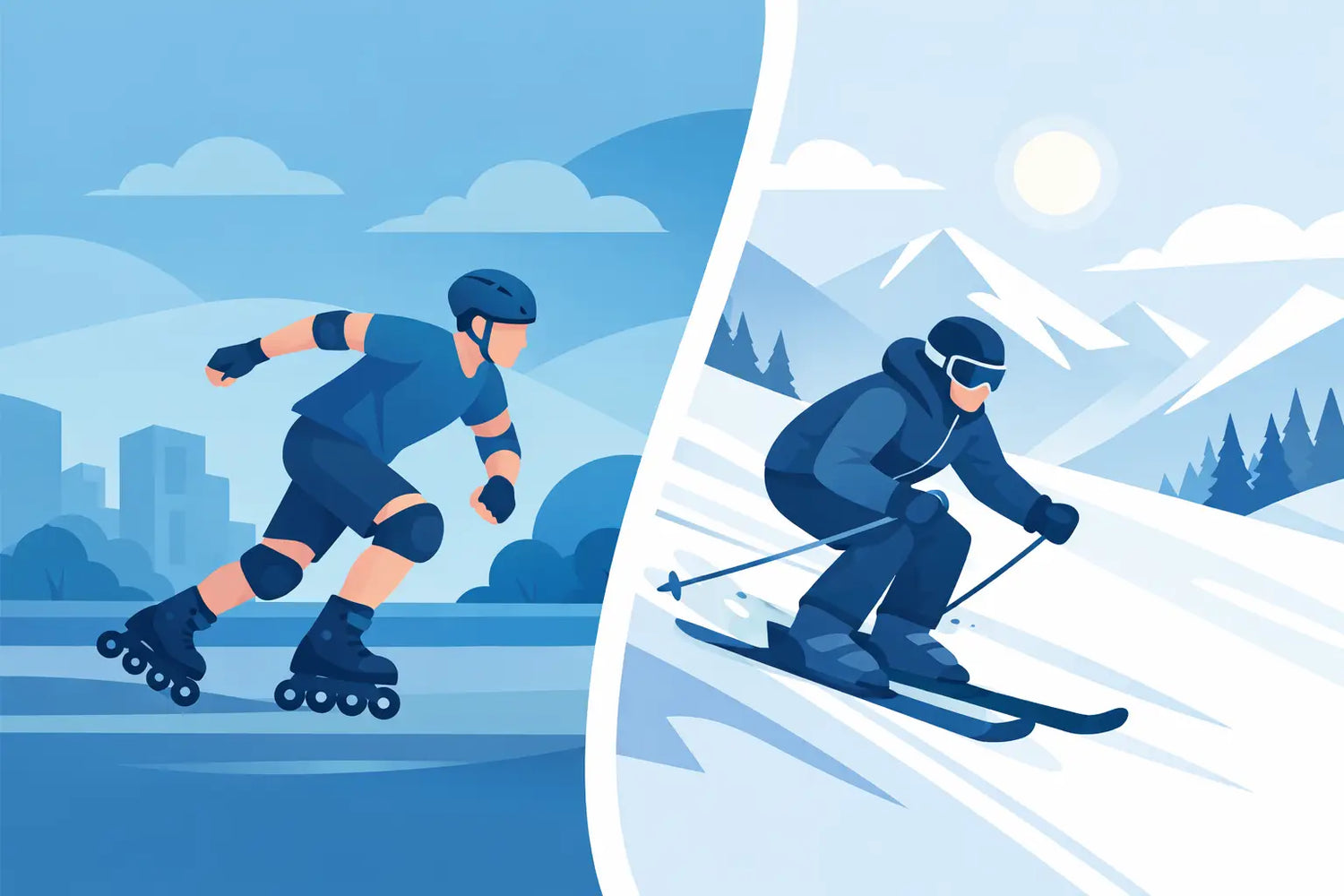
If you already skate hard through corners, trust your edges, and feel comfortable balancing over one foot at a time, skiing for inline skaters is not some giant reset. You are not starting from zero. In a lot of ways, you already speak the language of movement. The question is not whether your skating background helps. It does. The real question is how to use that advantage without bringing over the habits that make snow feel awkward at first.
That distinction matters. Inline skating gives you balance, lower-body control, rhythm, and the confidence to move dynamically. Snow adds glide, terrain, cold conditions, and a different kind of stopping and turning pressure. So yes, the crossover is real. But it is not one-to-one.
Why skiing for inline skaters clicks faster
Inline skaters usually adapt to skiing faster than complete beginners because the body skills are already there. You know how to stay centered while moving. You are used to rolling momentum. You understand edge pressure, even if the surface responds differently. And you probably do not panic the second your feet start sliding.
That last one is bigger than it sounds. A lot of first-time skiers lose the day to hesitation. They lean back, freeze up, and fight the equipment. Inline skaters tend to be more relaxed with speed and more willing to make small corrections on the move. That makes learning feel less intimidating from the first run.
There is also a mental advantage. Skaters are familiar with progression. You know that awkward first reps can turn into smooth movement fast when the setup makes sense. That mindset is gold on snow.
What transfers from inline skating to snow
The strongest carryover is balance. Inline skaters are used to standing on a narrow platform and staying stable while the body moves around it. That helps immediately on snow, especially when terrain changes or you need to absorb small bumps.
Edge awareness transfers too, just in a different form. On skates, you learn how slight shifts in ankle and knee position change your direction and grip. Skiing uses similar body intelligence. Small adjustments matter. Heavy, delayed movements usually do not.
Lower-body strength is another win. Skaters often have solid quads, glutes, and hip stability, which makes it easier to stay athletic instead of collapsing into the backseat. That gives you more control and a safer position from the start.
Then there is coordination. Inline skating teaches timing between feet, hips, and upper body. On snow, that helps with smooth turns, controlled speed, and avoiding the stiff beginner look that wastes energy fast.
What does not transfer cleanly
This is where people get tripped up. Snow is not pavement. Grip is not constant. And trying to force skating mechanics directly into skiing can slow you down.
The biggest issue is pushing too much laterally. On inline skates, propulsion comes from pushing out and recovering underneath the body. On snow, especially for beginners, too much side push can throw you off balance or send your skis where you did not intend. Skiing rewards cleaner pressure management and more patient direction changes.
Stopping is another adjustment. Skaters often expect a braking feel that is more immediate and familiar. Snow braking takes a different kind of confidence. You need to shape the skis, manage edge angle, and trust the slide instead of fighting it.
Upper-body posture can be an issue too. Some skaters rotate the shoulders too much to initiate movement. On snow, that can create instability fast. A quieter upper body usually works better, with the legs doing more of the steering.
The fastest way to start skiing as an inline skater
If your goal is fun on day one, do not overcomplicate the setup. This is where the right equipment changes everything.
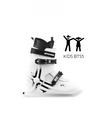
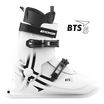
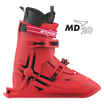
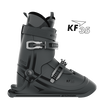
Traditional skis can absolutely be learned by inline skaters, but they still come with the usual barriers - more gear, more intimidation, more time spent figuring out the basics before the fun begins. For people who want a simpler crossover, shorter integrated ski systems make a lot of sense. They feel more approachable, easier to control, and less punishing when you are learning how snow reacts.
That is exactly why products like Novaskis connect so well with skaters. The movement feels more intuitive, the setup is less bulky, and the learning curve is dramatically shorter. Instead of spending a day just getting comfortable with long skis, many riders start finding control and flow within the first couple of hours. For inline skaters, that quicker feedback loop feels familiar. You try it, adjust, improve, and start having fun fast.
Skiing for inline skaters: technique that actually helps
Start with stance. Stay centered, athletic, and soft in the knees. If you are an experienced skater, your instinct may already be good here, but snow punishes leaning back more than people expect. Keep your weight over the middle of your feet and let your ankles stay active.
Look where you want to go. That sounds basic, but it works. Skaters know that vision leads movement. On snow, that helps you stay relaxed and avoid sudden, jerky corrections.
Think pressure before power. Instead of trying to force turns, focus on gently pressuring the edge and allowing the equipment to respond. The best first turns usually come from less effort, not more.
Keep your upper body calmer than you think you need to. Let the legs and feet do the work underneath you. If everything twists at once, control disappears quickly.
And give yourself permission to go slower at first. Inline skaters often progress quickly, which is a strength, but confidence can also lead to skipping the feel-it-out phase. Snow has its own timing. A smart first hour beats a reckless first run every time.
Common mistakes inline skaters make on snow
One common mistake is assuming balance alone is enough. It helps a lot, but snow still requires adaptation. The people who improve fastest are the ones who stay coachable, even if they are athletic.
Another mistake is fighting the slide. Inline skating usually rewards strong contact and direct response. Snow involves more drift, more subtlety, and more trust. If you tense up every time the base moves under you, progress gets slower.
Some skaters also overestimate how much terrain they can handle early on. Just because your movement skills are strong does not mean you should jump straight into steeper slopes. Start where you can repeat clean turns and controlled stops. That is where confidence compounds.
Finally, many beginners use equipment that feels intimidating before they even move. If the setup feels heavy, complicated, or awkward, you spend energy managing fear instead of learning. Easier gear is not cheating. It is often the smartest path to real progress.
Why easier equipment matters more than people admit
A lot of winter sports culture still treats difficulty like a badge of honor. That mindset pushes too many beginners into long learning days, sore legs, and the classic first-day quit. It is one reason so many people try skiing or snowboarding once and never go back.
Inline skaters do not need more friction. They need a cleaner bridge from what they already know to what they want to do on snow. Equipment that is safer, easier to control, and faster to learn is not a shortcut in the bad sense. It is just better design.
That is the shift happening in winter sports right now. People want less hassle, less fear, and more actual riding. They want gear that works with them, not against them. And for crossover athletes like inline skaters, that shift is especially powerful because the foundation is already there.
Is skiing or snowboarding better for inline skaters?
It depends on what you want.
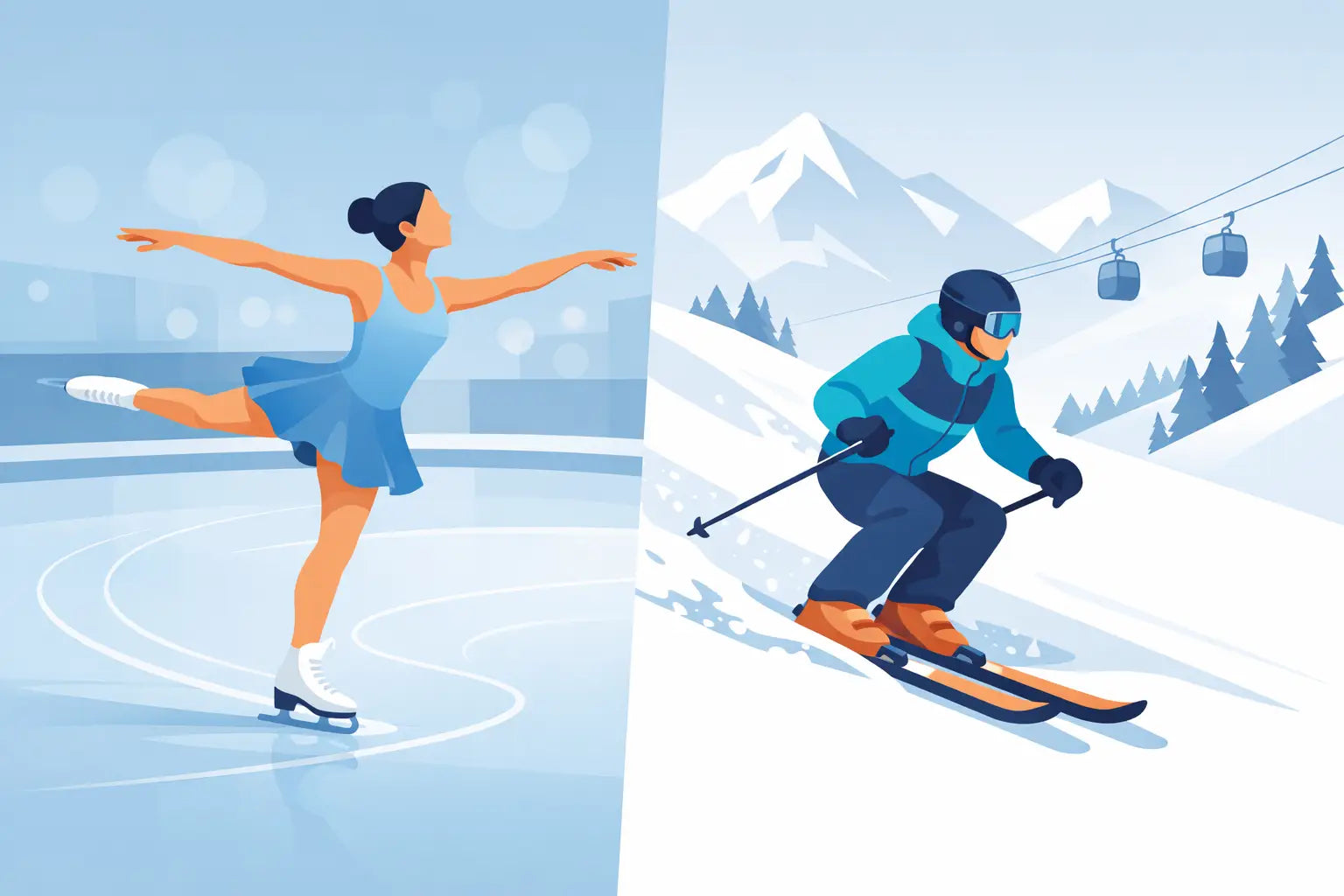
If you love carving, edge feel, and directional control, skiing often feels more natural right away. If you like a sideways stance and a more surf-style feel, snowboarding may still appeal to you. But for most inline skaters who want the easiest first-day win, skiing usually offers a faster and more intuitive transition.
That is even more true when the ski format is simplified. The less gear complexity and intimidation you have to deal with, the more your skating instincts can actually show up and help.
You already know how to move. You already know how to adapt. Snow just asks you to trust those skills in a new environment, then use equipment that lets you feel progress early. Start there, stay loose, and your first real breakthrough may happen a lot sooner than you expect.


Leave a comment
This site is protected by hCaptcha and the hCaptcha Privacy Policy and Terms of Service apply.