

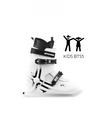
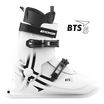
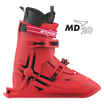
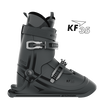





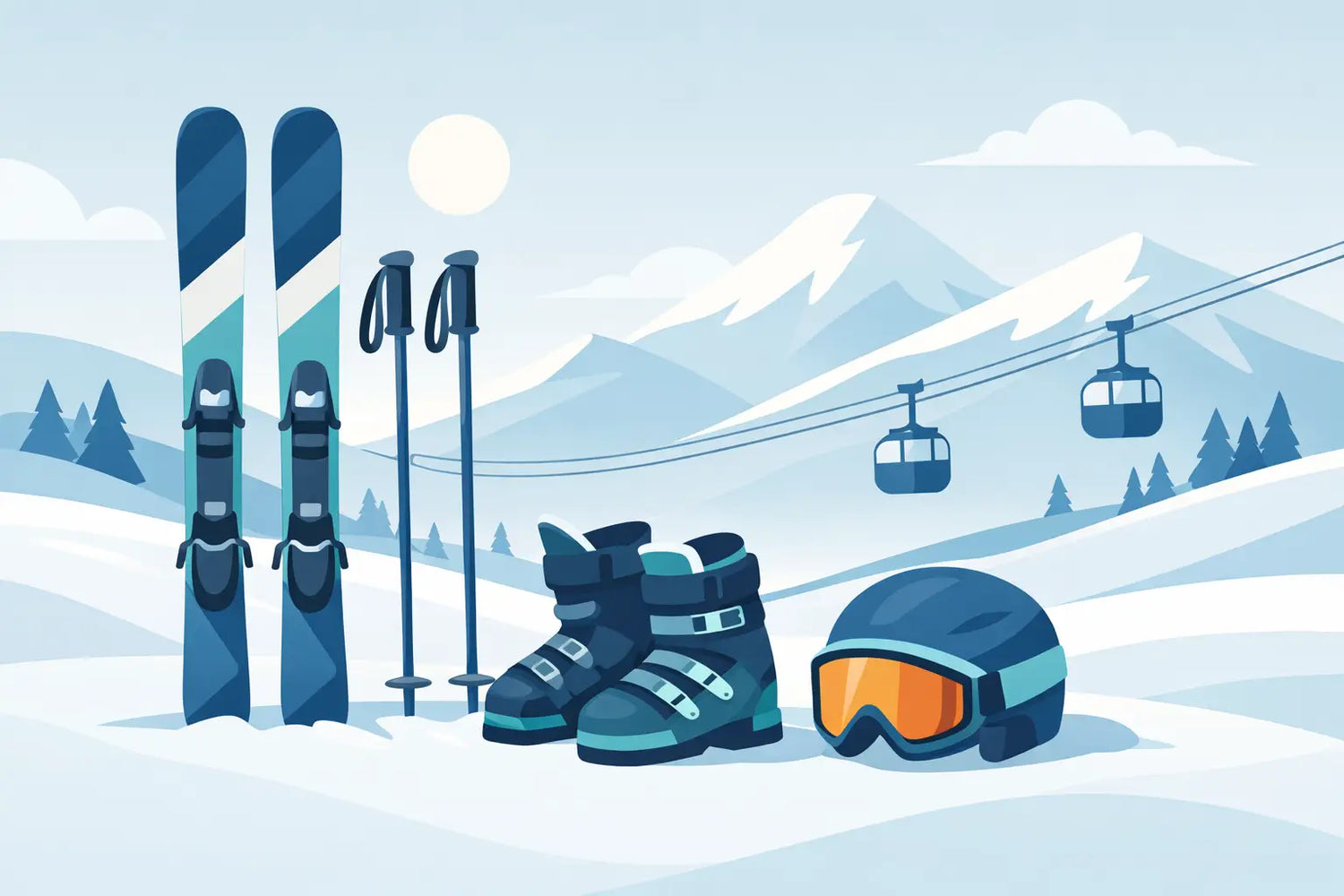
Most first days on snow go wrong before the first run. Too much gear. Too many moving parts. Too much time spent figuring out boots, bindings, and whether you even chose the right setup. That is exactly why an entry level novaski setup makes sense for beginners who want less hassle and more actual riding.
If your goal is simple - learn faster, feel safer, and enjoy the mountain sooner - the best setup is not the most technical one. It is the one that gets you moving with confidence in the shortest time. For most new riders, that means starting with a beginner-focused Novaski model, pairing it with a few essentials, and skipping the usual gear overload that makes traditional skiing feel harder than it needs to be.
What makes an entry level novaski setup different?
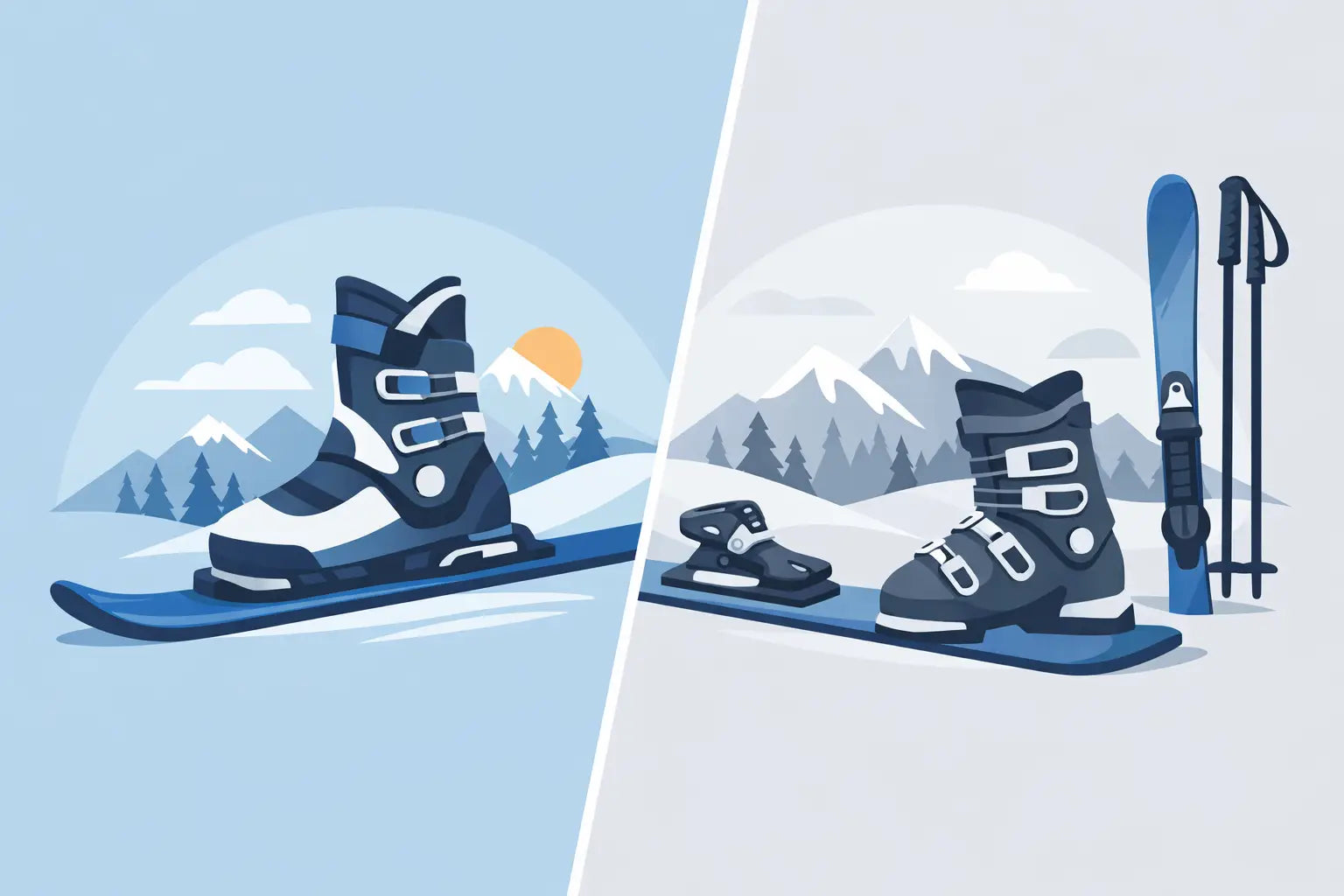
A traditional ski setup asks a lot from a first-timer. You need separate boots, separate skis, bindings, poles in many cases, and enough knowledge to make sure everything works together. That complexity adds cost, friction, and a bigger chance of getting overwhelmed before you build any momentum.
An entry level novaski setup flips that. The boot and ski are integrated into one complete product, so there are no detachable parts to sort out on day one. You step in, strap up, and start learning. That matters more than it sounds. Beginners do better when the equipment feels intuitive, and confidence usually comes from simplicity, not from having more features.
This is also where Novaskis appeal to skaters, hockey players, and roller athletes. If you already understand balance, edges, and lower-body control, the learning curve feels shorter and more natural. Even if you have never touched snow before, the compact format is easier to trust than a long traditional ski.
The best starting point: BTS5
For a true beginner, the smart choice is the BTS5. It is the entry model for a reason. It is built for easier learning, better control, and a more approachable first experience on snow. That makes it the strongest foundation for an entry level novaski setup.
Going straight to a more advanced model can sound tempting, especially if you are athletic or already comfortable on ice skates or inline skates. But that is one of those cases where more performance is not always better. A setup that is forgiving helps you progress faster because you spend less energy fighting the gear and more time learning movement, rhythm, and confidence.
That is the real trade-off. Advanced gear can offer more aggression and speed potential, but beginners almost always benefit more from stability and ease. Starting on the right platform lets you build skill first and then decide later whether you want to move up.
What you actually need in your setup
The beauty of this category is that the gear list stays short. Your core setup starts with the Novaskis themselves. From there, you only need the pieces that directly improve safety, comfort, and your first-day experience.
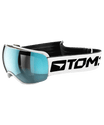
A helmet should be non-negotiable. Goggles are also worth it because visibility affects confidence more than people expect. If wind, glare, or flat light make it harder to read the snow, your learning slows down fast. Good vision helps you stay relaxed.
After that, think about warmth and mobility. You do not need bulky layers that restrict movement. You need outerwear that lets you bend, shift weight, and stay comfortable. Gloves matter. So do proper socks. Cold feet can ruin a session long before fatigue does.
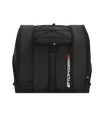
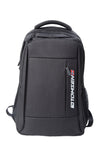
A bag is not essential for riding itself, but it is one of those practical upgrades that makes the whole experience cleaner. Easy transport matters, especially for families, travelers, or anyone tired of dragging oversized gear through parking lots and lodges.
What beginners should skip
A lot of first-time buyers assume more accessories equal a better setup. Usually, it just means more decisions and more money spent before you know what you actually like.
You do not need to chase a highly technical kit on day one. You do not need to buy gear for every weather condition right away. And you do not need to build your setup around what expert riders use. Beginners need fewer variables, not more.
That is one reason the Novaski format stands out. It cuts down the setup process and removes a lot of the friction that pushes people away from winter sports in the first place. When 8 out of 10 people give up skiing or snowboarding on the first day, easier matters.
Why this setup works for first-time riders
The biggest advantage of an entry level novaski setup is not just convenience. It is faster progress.
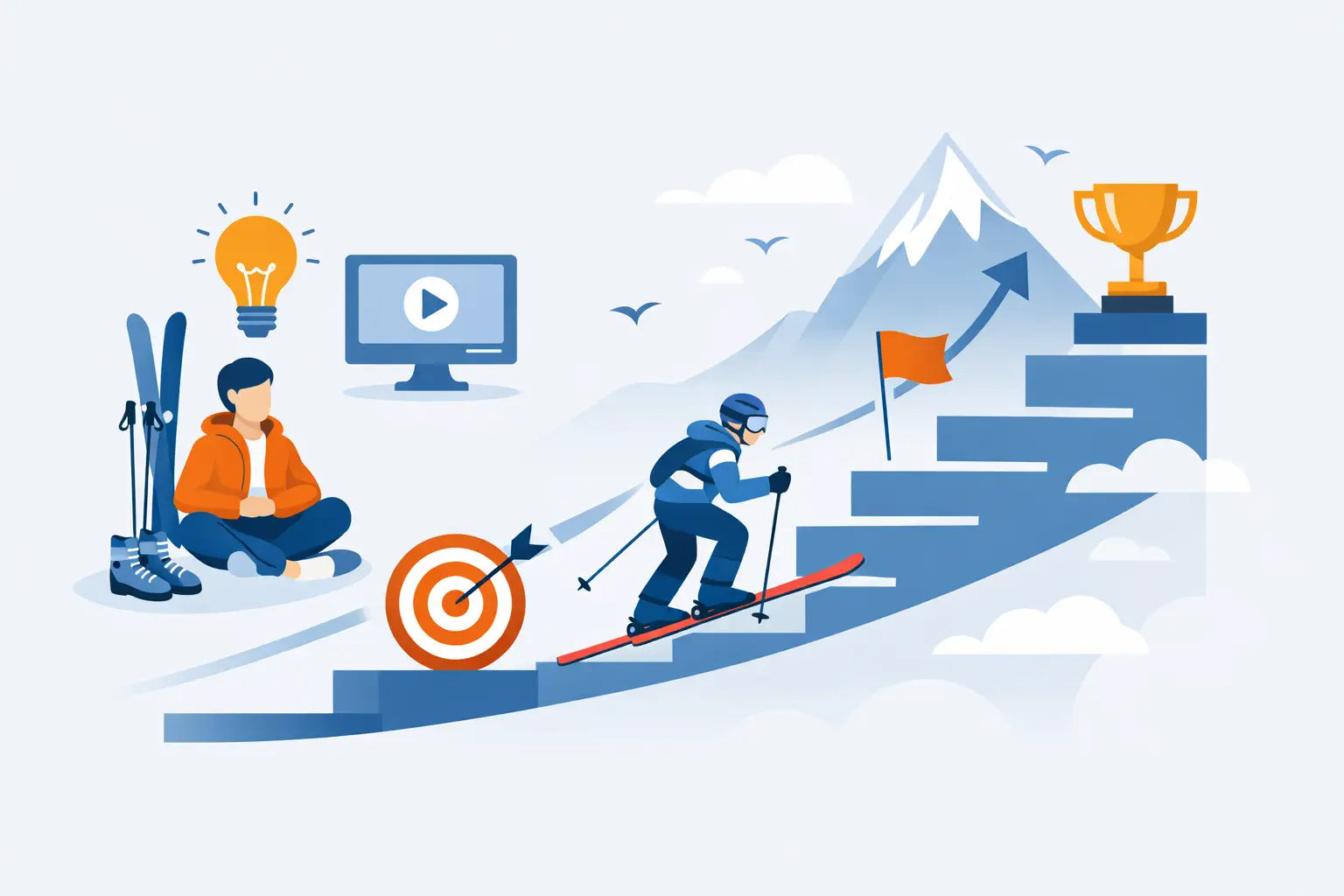
Traditional skiing and snowboarding often ask beginners to spend a full day, or more, just getting comfortable enough to link basic movement together. Novaskis are built to shorten that gap. The goal is to help riders feel the basics within hours, not days.
That changes the entire first experience. Instead of spending most of your energy managing awkward equipment, you can focus on turning, balance, and flow. That early success is a big deal. People stick with sports when they feel progress quickly.
There is also a safety angle here. A setup with no detachable parts and a more approachable learning curve can feel less intimidating for cautious beginners, parents, and casual vacation riders. Lower fear often leads to better body position, better decisions, and a better overall day.
Is it good for skaters and hockey players?
Yes, and in many cases it is an especially strong fit.
Hockey players, figure skaters, and inline skaters already understand edge pressure, stance, and lower-body coordination. An entry level novaski setup lets them carry those instincts onto snow without forcing them into the full complexity of traditional skis or a snowboard.
That does not mean the transition is automatic. Snow is still different from ice, and slope control still takes practice. But the learning path can feel much more familiar. If you come from skating, the setup tends to make sense quickly.
For that audience, the main thing to watch is mindset. Some skaters move too aggressively at first because the platform feels approachable. Start controlled. Let the terrain teach you. A fast learner still benefits from a gradual first session.
Cost matters, and simpler usually wins
Price is a real factor for beginners, especially families and occasional riders. A traditional ski setup can get expensive fast once you combine boots, skis, bindings, helmets, goggles, outerwear, and travel-friendly storage.
An entry level novaski setup is attractive because it reduces complexity and can lower total setup cost compared with the traditional route. That makes the sport feel more accessible from the start.
There is a broader value argument too. Gear is only a good deal if you use it. A simpler setup that gets you riding confidently has a better chance of becoming something you actually love and return to. That is a much better outcome than overspending on a complicated kit that spends most of its life in storage.
How to choose the right setup for your first season
If you are buying for yourself, be honest about your goal. Do you want the easiest possible learning curve? Do you want something fun for casual resort days and winter trips? Do you want a setup that feels intuitive from the first hour? If yes, stay entry level and keep it clean.
If you are buying for a teen or family member, prioritize comfort and confidence over performance language. The first season is about building a positive relationship with snow. The right setup should reduce friction, not add pressure.
If you already come from skating or roller sports, you may progress quickly, but that still does not mean you need to skip the beginner model. Fast learners often improve more when the gear is forgiving early and consistent as they build real snow skills.
Tomsen Sports built its beginner offering around that exact idea - remove unnecessary barriers and make the first ride feel exciting instead of intimidating.
The beginner setup that keeps people coming back
A great first setup should do one thing better than anything else: make you want another run.
That is the standard an entry level novaski setup should meet. Not whether it looks technical. Not whether it sounds advanced. Whether it helps you learn fast, feel in control, and enjoy the mountain without the usual gear headache.
If winter sports have ever felt too complicated, too expensive, or too hard to start, this is the kind of setup that changes the story. Start simple, ride sooner, and let confidence do the rest.


Commenta
Questo sito è protetto da hCaptcha e applica le Norme sulla privacy e i Termini di servizio di hCaptcha.