






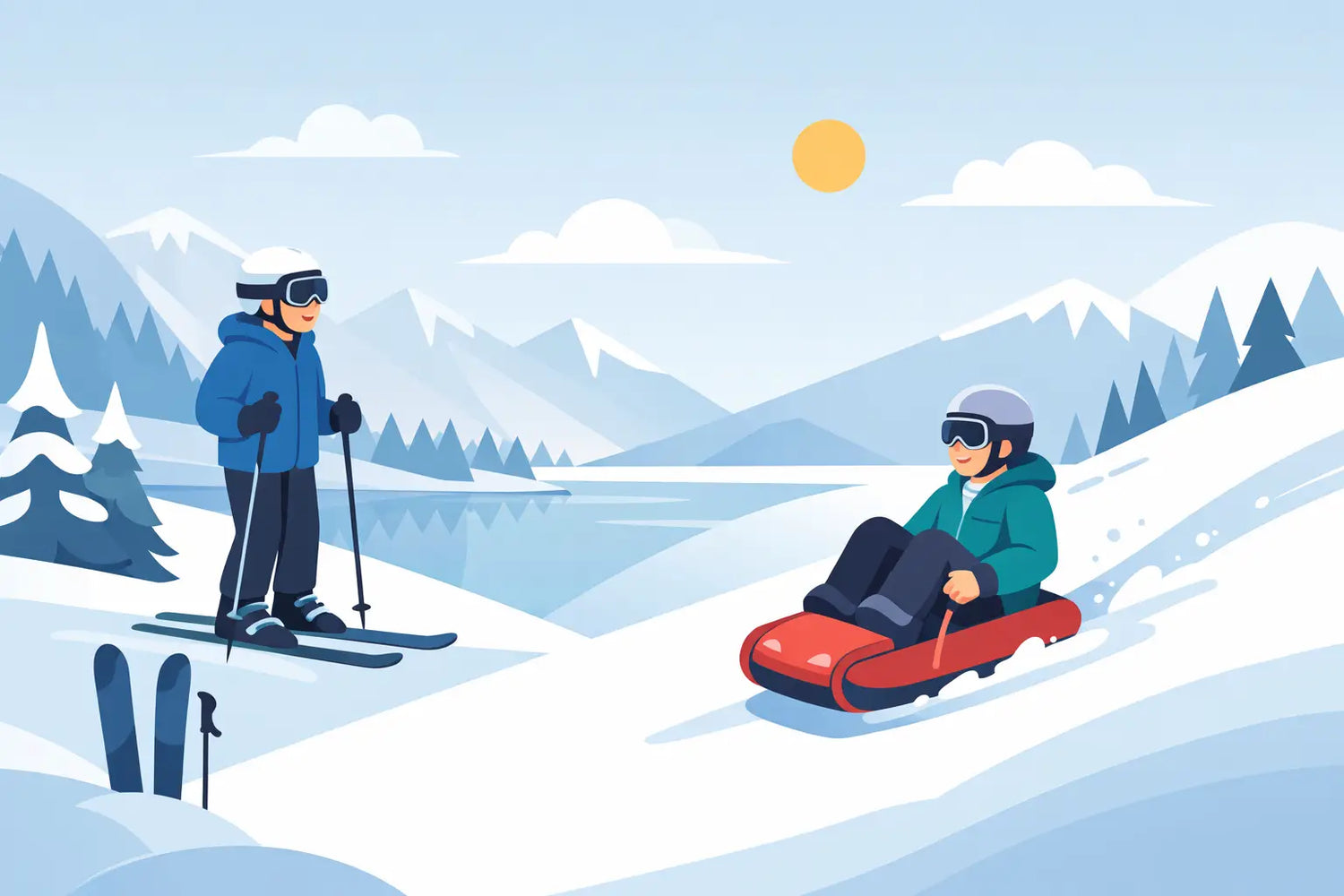
That first ride up the lift can feel like a bad idea in real time. You look down, see a long run, feel your heart spike, and suddenly the thought of strapping on traditional skis sounds less like fun and more like a commitment you are not ready for. If you are searching for a ski alternative for nervous beginners, that feeling is exactly where the right choice starts.
The usual advice is to push through it. Take a lesson. Fall a lot. Give it a day or two. Maybe you will love it after that. But for a huge number of people, that learning curve is the whole problem. Fear shuts down progress fast. When your gear feels awkward, heavy, and hard to control, confidence disappears before the fun even shows up.
That is why more beginners are looking beyond traditional skis and snowboards. Not because they do not want the mountain experience, but because they want an easier way into it. They want control sooner, less intimidation, and a setup that feels manageable from the first run.
Why a ski alternative for nervous beginners makes sense
Traditional skiing asks a lot on day one. You are dealing with long skis, separate boots, bindings, poles for many learners, and movements that do not feel natural right away. Snowboarding simplifies some of that, but it brings its own challenge - both feet fixed to one board, harder first turns, and plenty of low-speed falls while learning edge control.
For nervous beginners, the issue is rarely motivation. It is friction. Too many parts. Too much speed too early. Too much time spent trying not to fall instead of actually learning how to move.
A real beginner-friendly alternative should reduce that friction, not just repackage it. It should feel more stable, easier to steer, and less punishing when you make mistakes. It should help you build the feeling of control fast, because control is what turns fear into fun.
That is the gap modern short-ski systems are filling. They offer a more intuitive entry point, especially for people who want to ski but do not want the traditional struggle that comes with full-length skis.
What nervous beginners actually need on snow
Most first-timers do not need more technical equipment. They need less to think about.
A nervous beginner usually does best with gear that is short, responsive, and forgiving. Shorter platforms are less intimidating to look at and easier to maneuver at slower speeds. That matters. If your first turns feel possible, you stay relaxed longer. If you stay relaxed, you learn faster.
Safety matters too, but not just in the marketing sense. Safer gear for beginners usually means gear that is easier to control, easier to stop, and less likely to put you in awkward positions that lead to beginner crashes. There is always some risk in snow sports. No honest brand should pretend otherwise. But there is a big difference between equipment that helps reduce panic and equipment that demands full commitment before you feel ready.
Then there is comfort and convenience. Traditional setups can feel like a project before the fun even begins. Carrying gear, clipping into multiple parts, dealing with rental confusion, and adjusting unfamiliar equipment all add stress. Beginners do better when the setup feels simple.
The best ski alternative for nervous beginners is easier to learn
The biggest reason beginners quit is not that they hate snow. It is that the first day feels harder than they expected.
A better learning experience starts with gear designed around quick progress. That means less time figuring out how to stand, slide, and turn, and more time actually enjoying the slope. Short integrated ski systems stand out here because they remove some of the complexity that makes traditional skiing feel clunky at first.
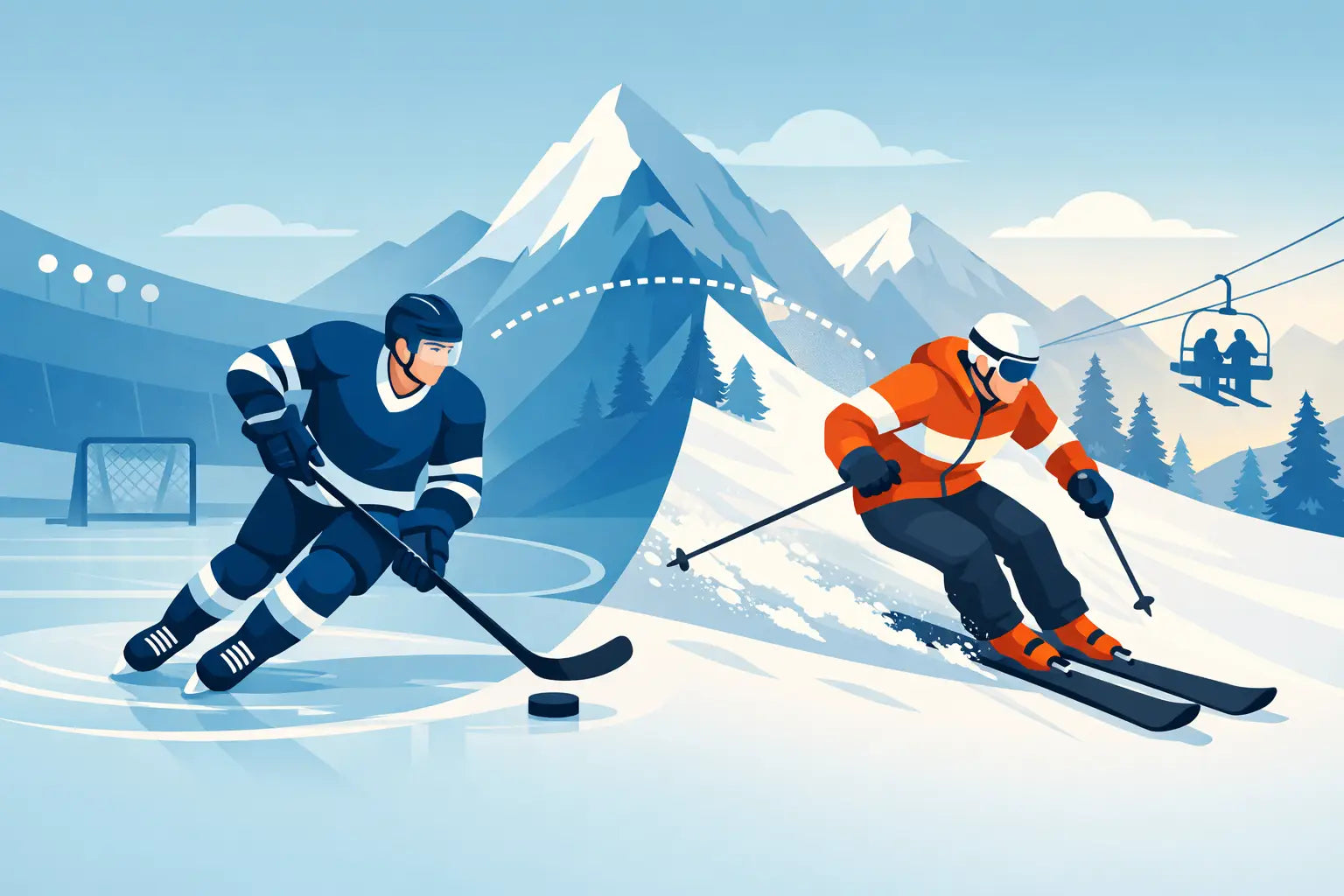
Instead of wrestling with long skis that can cross, catch, or feel hard to position, beginners get a smaller, more controlled platform. That shorter length can make basic movement feel more natural almost immediately. For skaters, hockey players, and roller athletes, it can be even more intuitive because the stance and edge feel often connect better with movement patterns they already know.
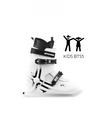
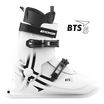
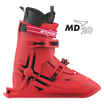
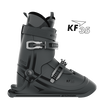
That is a major reason products like Novaskis are getting attention. They are built as an all-in-one ski boot and ski system with steel edges, designed to work right out of the box. The appeal is simple - easier setup, faster learning, and a lower barrier to getting started. For nervous beginners, that is not a small benefit. It is often the difference between calling it quits after one run and wanting one more run.
How it compares to traditional skis and snowboards
If your goal is expert-level alpine technique on steep terrain, traditional skis still have their place. They are built for that world. Snowboards also make sense for riders who love that style, especially once they are past the early learning stage.
But if your real question is, what gives me the best chance of having fun on day one, the answer can be very different.
Traditional skis offer speed, range, and a familiar resort standard, but they also ask for more coordination up front. Snowboards can feel playful and smooth later on, but the first sessions are often rougher than beginners expect. A modern short-ski alternative is aimed at a different result: confidence early, learning in hours instead of days, and less fear while building basic skills.
There are trade-offs. Shorter ski systems are not trying to mimic every part of the traditional ski experience. They are designed to simplify it. For many beginners, that is a feature, not a compromise. You are not buying complexity you do not need yet. You are buying a better first experience.
Who benefits most from a ski alternative for nervous beginners
This kind of gear is especially strong for people who feel intimidated by classic ski culture. If rental shops, long skis, and technical instruction make you hesitate before you even hit the snow, a simpler option can change the whole tone of the day.
It also makes a lot of sense for crossover athletes. Ice hockey players, figure skaters, and inline skaters often adapt quickly because they already understand balance, edge pressure, and lower-body control. They do not want to start from zero. They want a snow setup that feels closer to what their body already knows.
Families are another obvious fit. Parents want equipment that is easier to carry, easier to understand, and less likely to lead to a miserable first afternoon. Kids and teens want something fun now, not after two days of frustration. A beginner-friendly ski alternative can meet both needs at once.
It is also a smart option for value-conscious buyers. Traditional ski setups can get expensive fast when you add boots, skis, bindings, poles, and accessories. An integrated system with fewer moving parts can lower both complexity and total cost, which matters when you are still deciding how often you will ride.
What to look for before you buy
Do not get distracted by gear that promises beginner friendliness but still feels complicated in practice. The key question is simple: will this help you feel in control faster?
Look for a setup with integrated design, strong edge grip, and a learning curve built for first-timers. Portability matters more than people think, because heavy, awkward gear adds stress before you even start. Comfort matters too. If your feet hate the equipment, your confidence goes with them.
It is also worth being honest about your goal. If you want to cruise green and blue runs, build confidence, and have fun with friends or family, you do not need the most technical setup on the mountain. You need the one that gets you sliding comfortably and smiling sooner.
That is the real shift. Beginner gear should not be a watered-down version of expert gear. It should be purpose-built for beginners.
A better first day changes everything
Most people do not quit because winter sports are not for them. They quit because their first experience tells them they are bad at it.
That is why choosing the right ski alternative for nervous beginners matters so much. It is not only about easier equipment. It is about removing the moment where fear takes over and turns a fun idea into a frustrating memory. Better gear creates better first runs. Better first runs create momentum.
And momentum is everything. Once you feel a clean turn, a controlled stop, and that little hit of confidence halfway down the slope, the whole mountain starts to look different. Not scary. Not impossible. Just open.
If you are nervous, you do not need tougher advice. You need a smarter start.


Leave a comment
This site is protected by hCaptcha and the hCaptcha Privacy Policy and Terms of Service apply.