







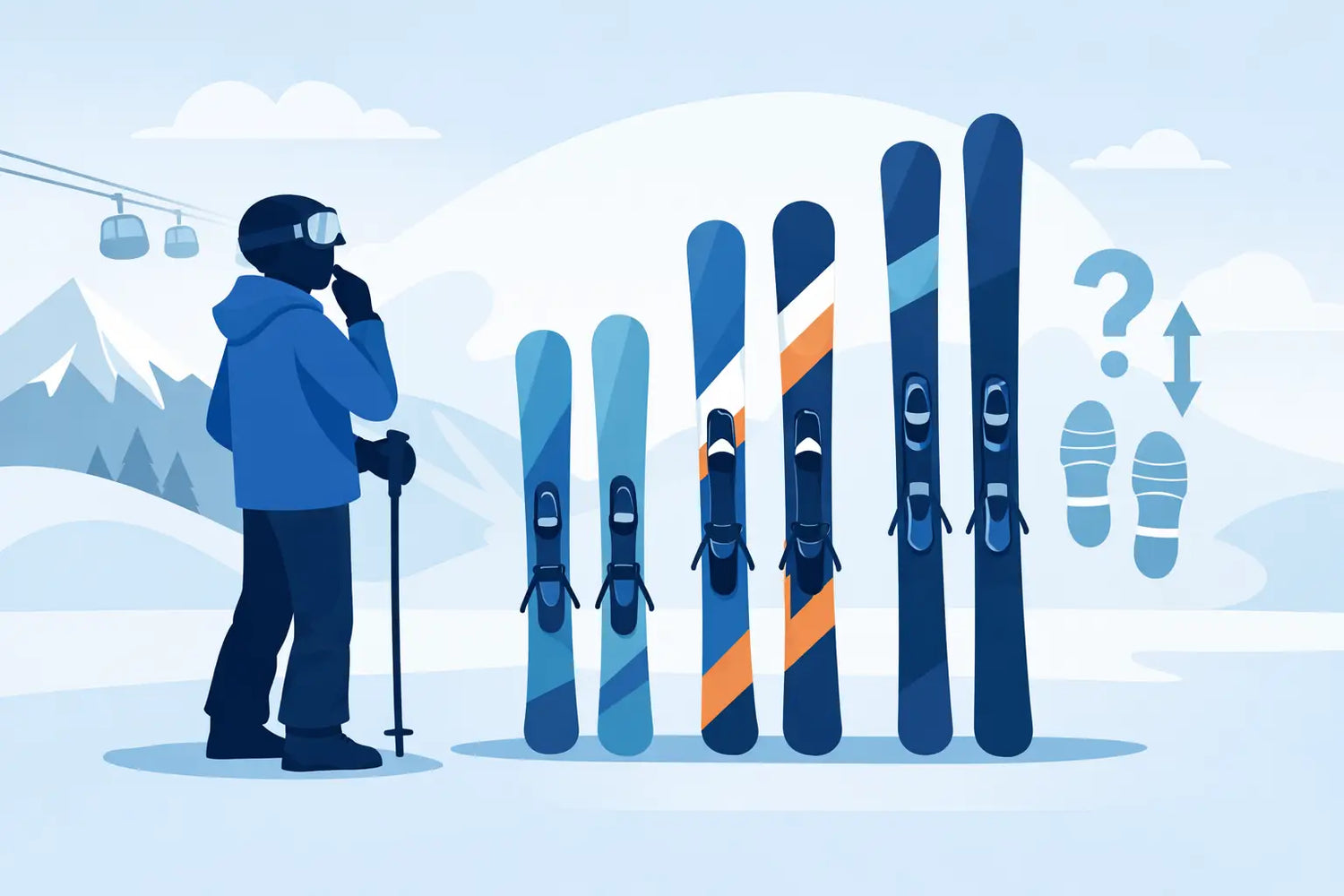
You feel it fast on the mountain. If your skis are too long, turning can feel slow, awkward, and more intimidating than it should. If they are too short, you may get quick control but lose stability when you pick up speed. That is why knowing how to choose ski length matters before you ever click into gear.
The old advice was simple: stand the skis next to your body and pick something between your chin and forehead. That rule is not useless, but it is far from the full story. Ski length should match how you ride, where you ride, how much you weigh, and how confident you are on snow. For beginners especially, the right setup can be the difference between a fun first day and calling it quits by lunch.
How to choose ski length for your ability
If you are new to skiing, shorter usually means easier. A shorter ski is lighter to handle, quicker to turn, and less work when you are learning the basics like stopping, steering, and linking turns. That matters because most first-timers are not trying to charge black runs. They want control, comfort, and a chance to actually enjoy the day.
Intermediate skiers usually move a little longer. Once you are comfortable on blue runs and can make consistent turns, a longer ski starts to feel more stable, especially on groomed terrain at moderate speed. Advanced skiers often go longer still, depending on whether they want carving power, off-piste float, or more confidence at speed.
This is where people overthink it. Better does not always mean longer. If you ski a few weekends a year and want easy control, a slightly shorter ski may still be the smarter choice. Length should support your style, not your ego.
Height matters, but it is not the whole answer
Height is still the starting point in how to choose ski length. Most adult skis land somewhere between your chin and the top of your head. Shorter than that leans more beginner-friendly. Closer to the forehead or above usually suits stronger, faster, or more aggressive skiers.
But height alone misses a big detail: leverage. Two people who are both 5-foot-10 can need different ski lengths if one is much heavier or much lighter. The heavier skier puts more force into the ski and may benefit from more length for support and stability. The lighter skier may get better control from something shorter.
That is why charts can help, but they should never be treated like law. They point you toward a range. Your actual best choice sits inside that range based on the rest of the picture.
Weight changes how a ski feels
A ski does not just carry your body. It responds to your pressure. More weight bends the ski more easily and can make a short ski feel nervous or less stable. Less weight may make a longer ski feel stubborn and harder to turn.
If you are between two lengths, weight is one of the best tie-breakers. Go shorter if you are lighter for your height or want easier maneuverability. Go longer if you are heavier for your height or want more calm at speed.
For kids, this matters even more. Parents sometimes buy longer skis thinking their child will grow into them. Usually that just makes learning harder. Kids progress faster when the ski fits now, not next season.
Terrain changes the right answer
Not every ski length is built for every mountain plan. If most of your day is on groomed runs, a moderate length is often ideal. It gives you enough edge contact to feel stable, but not so much that turning becomes work.
If you like tight trails, slower speeds, or playful riding, shorter skis often feel better. They are easier to pivot and less intimidating in crowded or variable conditions. If you ski wider open terrain or want more speed, a longer ski can smooth things out.
Powder changes things too. In deep snow, longer skis offer more float. Terrain park riders often choose shorter lengths for easier spins and quick movements. So if you are asking how to choose ski length, the honest answer is partly this: choose for the mountain experience you actually want, not the one you think sounds impressive.
Ski shape affects length more than most people realize
Here is where ski buying gets confusing. Two skis can have the same printed length and feel completely different.
That is because rocker, camber, width, and sidecut all influence how a ski performs. A rockered ski has an early rise in the tip or tail, which shortens the effective edge that contacts the snow. That often makes it feel easier to turn, even if the ski is technically longer. A fully cambered ski keeps more edge in contact and may feel more demanding.
Wider skis also behave differently than narrow frontside skis. A wider all-mountain or powder ski may need extra length for stability and float. A narrow carving ski may feel strong and precise at a shorter length.
So if one brand recommends 160 cm and another points you to 166 cm, that does not automatically mean one is wrong. Shape changes the ride.
Why beginners usually do better on less ski
A lot of people start skiing with too much equipment. Too long. Too stiff. Too technical. That slows learning and adds fear right when confidence should be building.
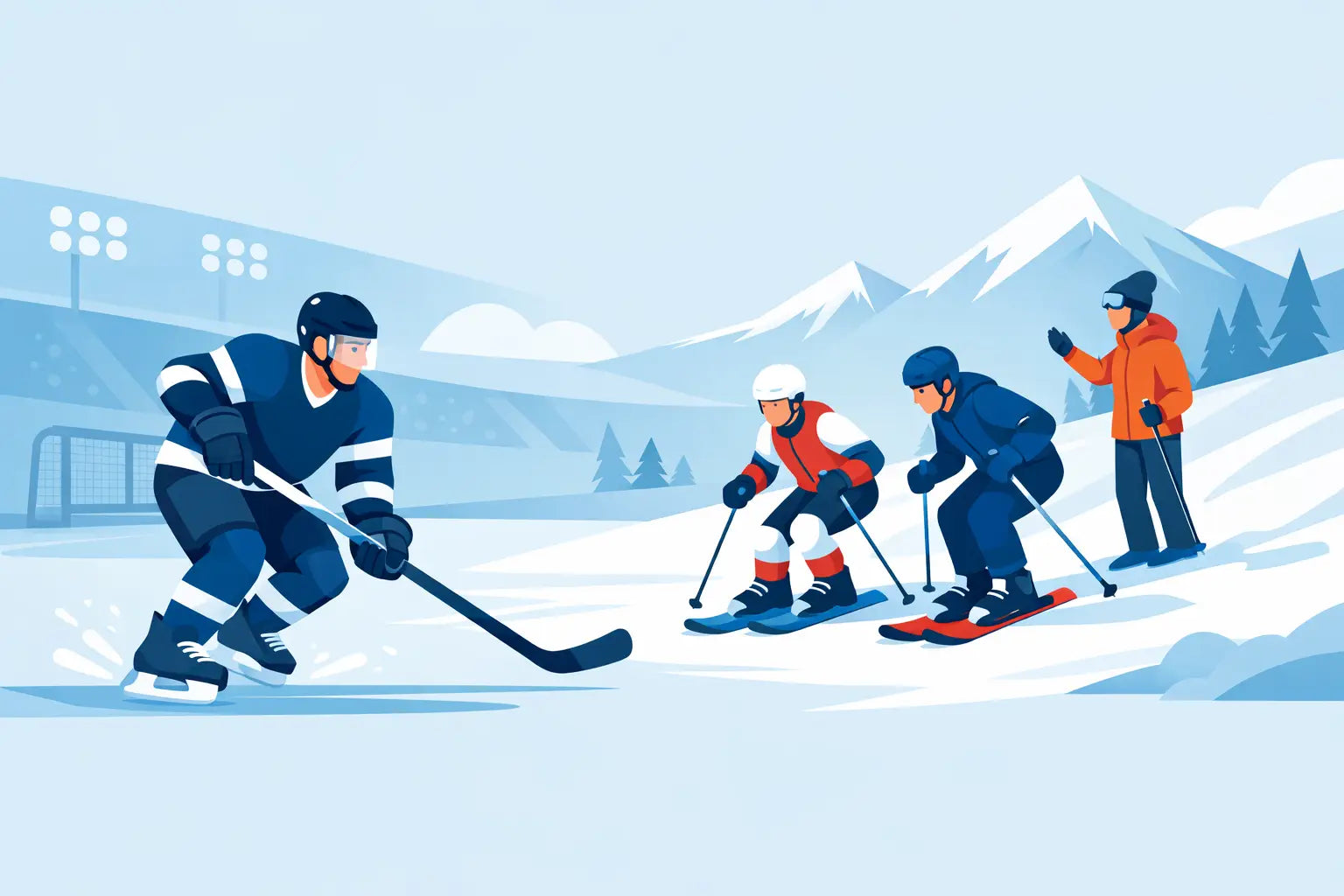
Beginners do best with gear that forgives mistakes. Shorter skis are more manageable when balance is still developing and every turn feels new. They help reduce the wrestling match. That is a huge deal for families, casual vacation skiers, and crossover athletes coming from hockey, skating, or inline sports who already have balance but do not want a setup that fights back.
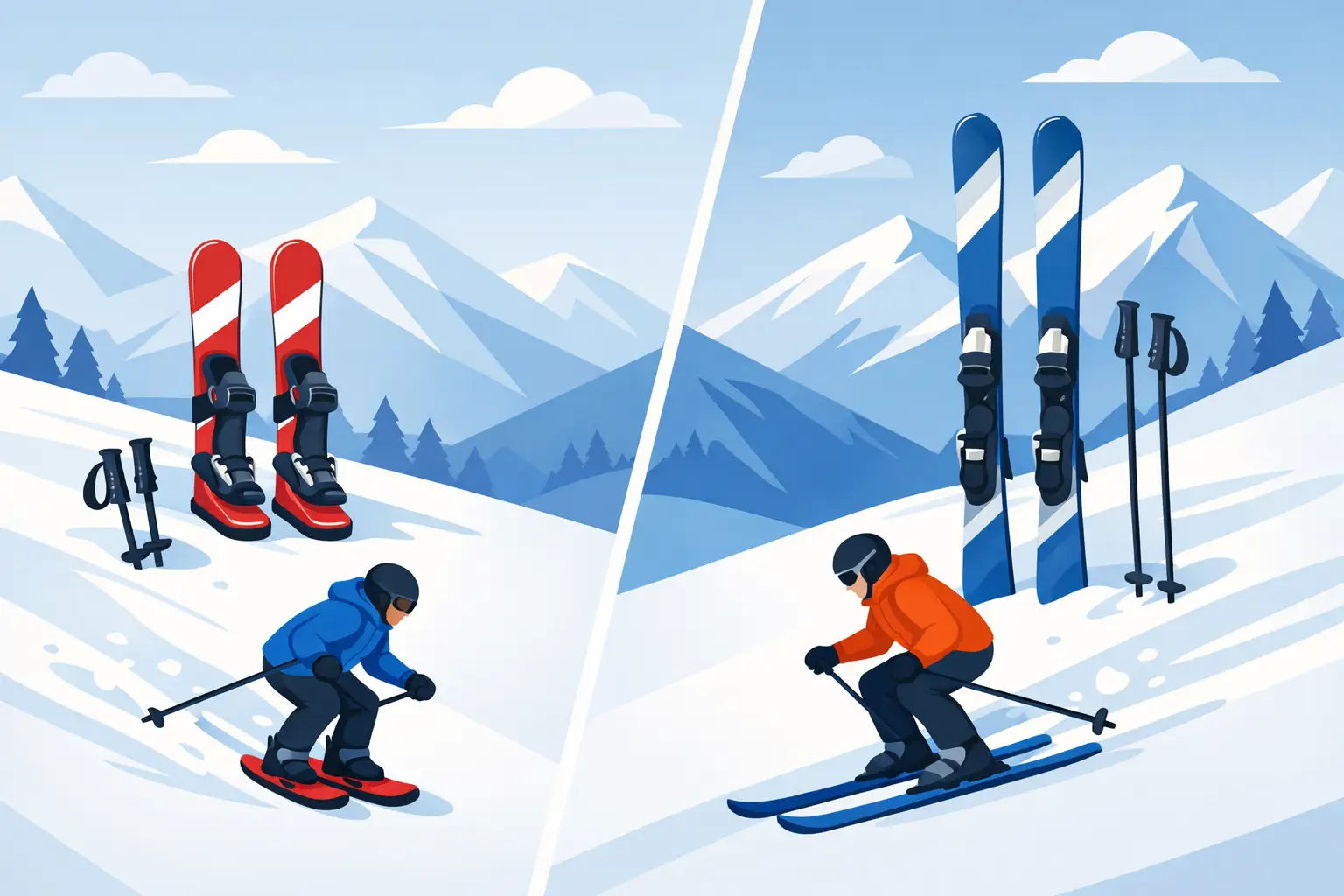
This is one reason shorter-format innovations have gained traction. They strip away some of the intimidation and let new riders focus on movement instead of managing long, awkward gear. Tomsen Sports built its Novaskis around exactly that idea - easier learning, simpler control, and more fun from the first session.
How to choose ski length if you are between sizes
This is the most common real-world problem. You check the size chart and land right between two options.
Go shorter if you are a beginner, prefer slower speeds, ski mostly groomers, or want the easiest possible turning. Go longer if you are heavier for your height, ski fast, spend time off-piste, or already feel strong and confident on snow.
If you are still unsure, ask yourself a simple question: do I want maximum stability or maximum ease? Stability points longer. Ease points shorter. For most new or cautious skiers, shorter is the safer bet.
There is no trophy for choosing the more demanding size. The best ski length is the one that makes you want one more run, not the one that looks more serious in the lodge.
A quick reality check on ski sizing myths
One myth says longer skis are always more advanced. Not true. They are better for certain goals, but they are not automatically better skis.
Another myth says shorter skis are only for kids or total beginners. Also false. Plenty of experienced riders choose shorter lengths because they like nimble, playful handling.
And the biggest myth? That one number tells you everything. It does not. Ski length works as part of a system that includes shape, flex, terrain, and rider confidence. Ignore that, and even an expensive setup can feel wrong.
The simplest way to make the right choice
Start with your height, then adjust for weight, ability, and terrain. If you are brand new, stay on the shorter end of the recommended range. If you are progressing quickly and want more stability, move toward the middle or upper end. If the ski has heavy rocker or a very playful shape, do not panic if the suggested length looks longer on paper.
Most of all, be honest about how you actually ride. A ski that feels easy, safe, and fun is not a compromise. For most people, it is the fastest path to confidence.
The best days on snow usually start with less guessing and more control. Pick the ski length that helps you relax, turn naturally, and enjoy the mountain right away. That is the setup you will keep coming back to.


Leave a comment
This site is protected by hCaptcha and the hCaptcha Privacy Policy and Terms of Service apply.