

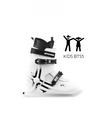
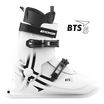
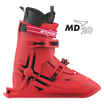
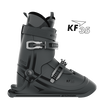









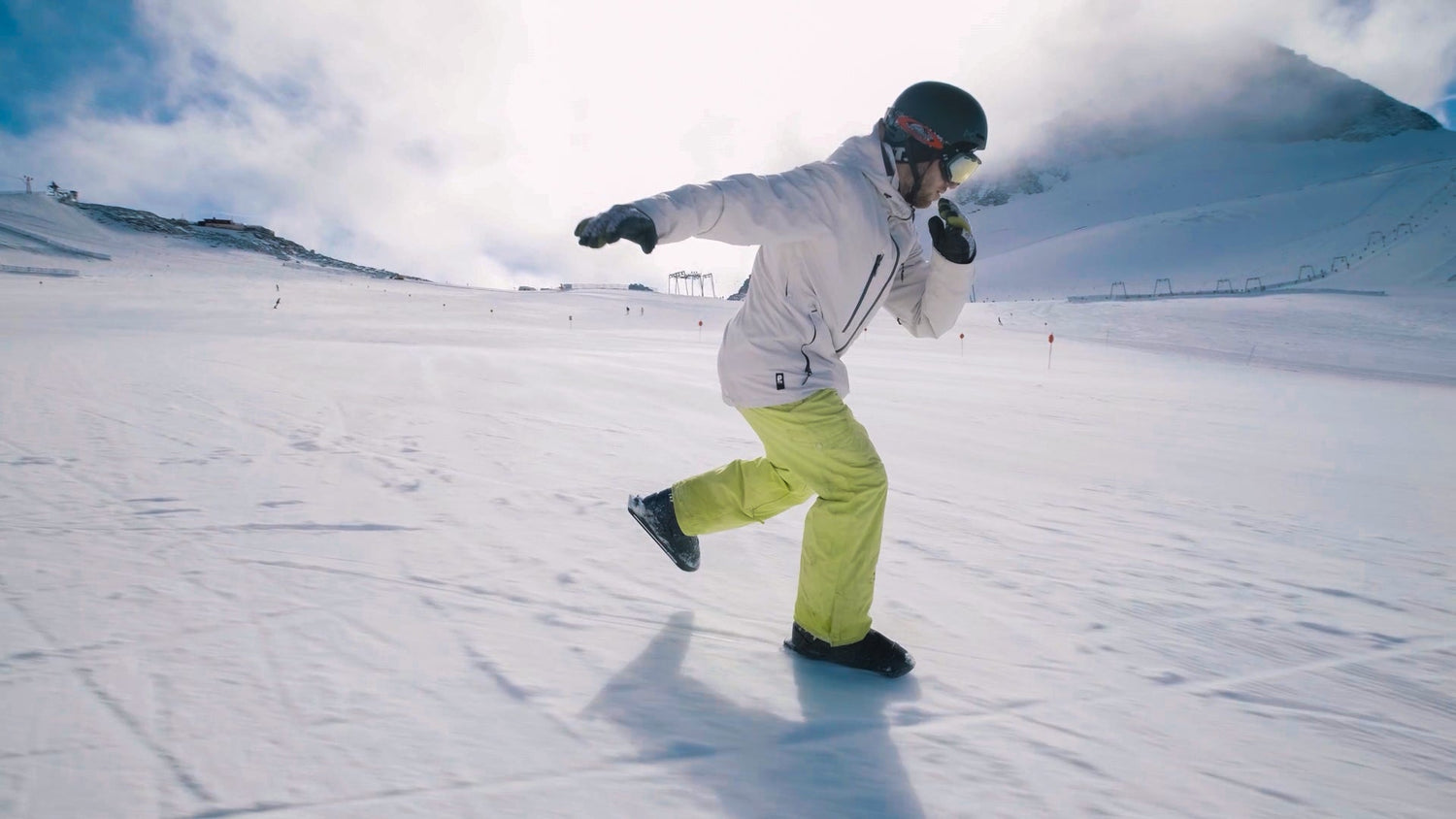
Most people do not quit skiing because snow is hard. They quit because day one feels like a full-body negotiation with gravity, boots, bindings, balance, and fear. If you are looking for the easiest way to learn skiing, the real answer is not just "take a lesson" or "start on a bunny hill." It is to remove as many beginner problems as possible before they become beginner frustration.
That changes everything.
The fastest learners are usually not the bravest. They are the ones using equipment that feels intuitive, gives them confidence early, and lets them focus on movement instead of fighting the setup. For first-timers, families, casual travelers, and anyone crossing over from hockey, figure skating, or inline skating, that matters more than old-school ski culture likes to admit.
What is the easiest way to learn skiing?
The easiest way to learn skiing is to start with simpler equipment, lower speeds, a gentle slope, and a stance that feels natural right away. In plain English, learning gets easier when you spend less time figuring out how to control long skis and more time feeling stable on snow.
Traditional skiing asks a lot from beginners on day one. You have separate boots, separate skis, bindings, poles, awkward walking, and a movement pattern that can feel foreign if you have never glided downhill before. That is a big cognitive load before you even make your first real turn.
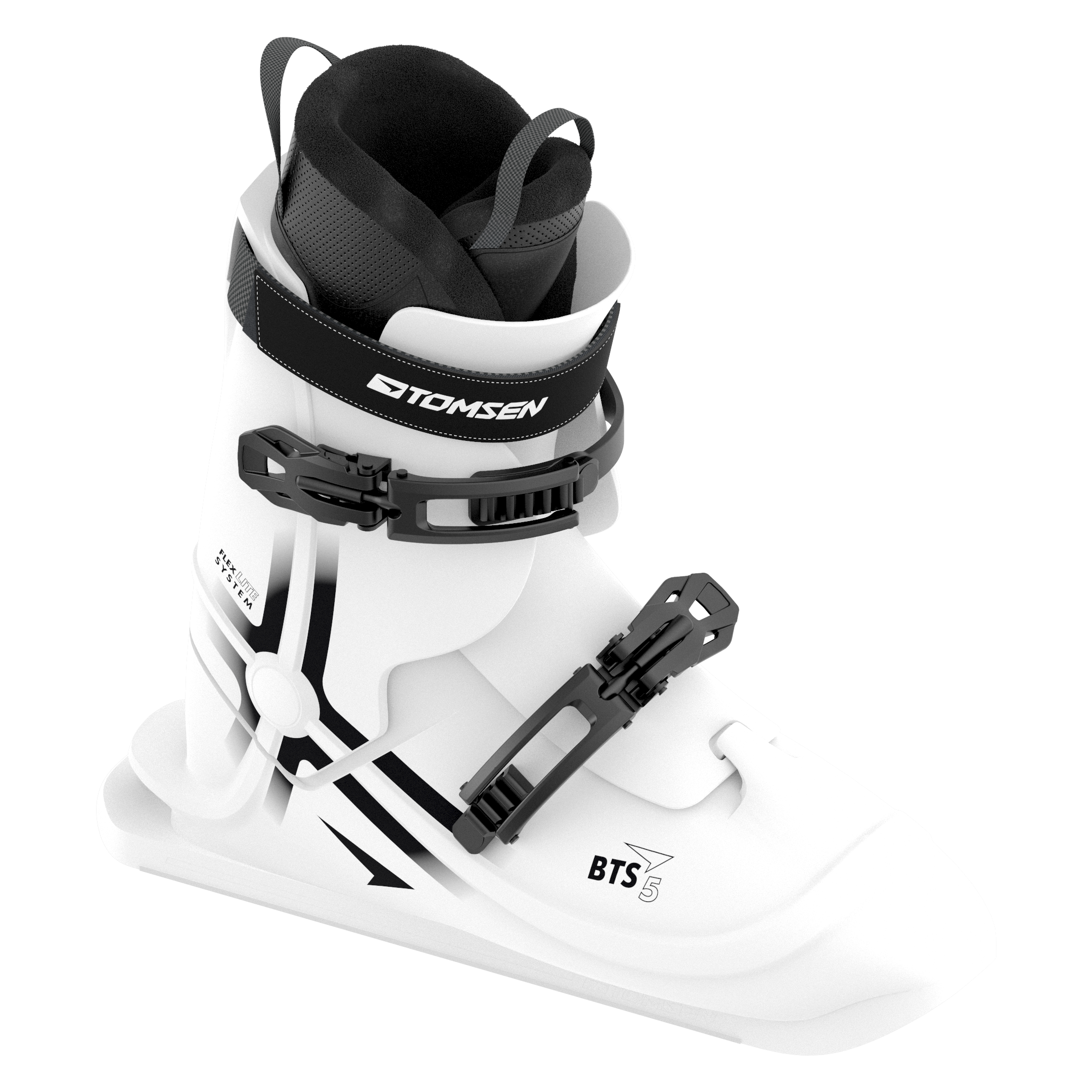
A simpler ski system changes the learning curve. Instead of managing multiple pieces of equipment and a lot of leverage under your feet, you get a more compact, approachable platform that is easier to control. That means less intimidation, fewer clumsy moments, and quicker feedback with each run.
For many beginners, the breakthrough is not talent. It is reduced complexity.
Why traditional skiing feels harder than it needs to
A lot of people assume skiing is hard because winter sports are hard. That is only half true. Skiing often feels hard because the beginner experience is badly designed.
Long skis can feel unstable when you are new. Bindings add one more thing to think about. Getting on and off lifts can feel stressful. Carrying gear is annoying. Falling can feel dramatic, even at low speed. None of that helps a first-time skier relax enough to learn.
And relaxed learners progress faster. When your brain is not busy panicking, it can actually absorb balance, edge control, and rhythm.
This is also why so many skaters adapt quickly once the setup makes sense. Hockey players, figure skaters, and inline skaters already understand weight transfer, edges, and lower-body control. But if the ski equipment feels bulky and unfamiliar, that advantage gets buried under mechanics. Give them a more natural platform and the crossover becomes much more obvious.
The easiest way to learn skiing fast is to shorten the gap between standing and sliding
That is the whole game.
Beginners need early wins. The first good glide. The first controlled stop. The first linked turn. If those moments happen in the first hour, people want to keep going. If they happen at the end of a long, exhausting day, many people decide skiing just is not for them.
This is where modern alternatives to traditional skis stand out. Novaskis, for example, are built as an integrated boot-and-ski system with steel edges and no detachable parts. That sounds like a product detail, but for a beginner it is a learning detail. Less setup. Less bulk. Less confusion. More time moving.
That simplicity is a real advantage for people who care more about getting the feeling quickly than mastering conventional alpine technique for its own sake. If your goal is to enjoy the mountain, not spend hours wrestling with gear, a simpler platform is often the smarter starting point.
Start with confidence, not speed
A lot of new skiers make the same mistake. They chase speed because speed looks fun. But confidence comes first, and confidence is built at slower speeds where you can feel what your feet are doing.
The easiest learners stay on terrain where they can practice pressure, balance, and stopping without feeling rushed. Gentle slopes are not just safer. They give your body time to understand the relationship between edging and direction.
If you come from skating, this part may feel familiar. You already know that control starts from the feet up. The snow version is just a new environment. The smoother and simpler the setup, the faster those instincts transfer.
Gear matters more than most instructors will say
There is a persistent idea in snow sports that beginners should just "learn the proper way" on traditional equipment, even if the setup is clunky and intimidating. That sounds noble. It is not always practical.
The easiest way to learn skiing is to use gear that reduces friction in every sense of the word. That means equipment that is easier to carry, easier to put on, easier to maneuver, and less punishing when you make mistakes.
There is a trade-off, of course. Traditional skis may still be the long-term choice for people who want to go deep into classic alpine skiing technique, advanced carving, or high-speed resort performance. But that is not every beginner's goal. Many people simply want a fun, safe, social way to ski without needing several painful learning days to get there.
That is why ease of use is not a gimmick. It is the point.
How beginners actually improve on day one
Progress comes from repetition without overload. You want a setup that lets you repeat the basics again and again without draining your confidence.
First, get comfortable standing and gliding in a balanced stance. Then practice controlled stopping. After that, work on easy direction changes and linking gentle turns. If the equipment feels stable and intuitive, these steps come faster because your attention stays on movement, not survival.
This is also why many first-timers do better with shorter sessions and more runs instead of one long grind. A few successful repetitions build momentum. Fatigue usually does the opposite.
And yes, instruction helps. But instruction works best when the gear itself is not fighting the lesson. A great coach can teach movement patterns. They cannot make awkward equipment feel less awkward.
Who benefits most from a simplified ski setup?
Beginners are the obvious group, but they are not the only one.
Families love anything that reduces hassle and tears before the first run. Casual vacation skiers want a faster path to fun, not a full technical seminar. Adults who tried skiing once and hated it often do better the second time when the setup feels less intimidating. And skaters of all kinds tend to adapt quickly because they already trust edge-based movement.
Value-conscious buyers notice something else too. Traditional skiing can get expensive fast once you add boots, skis, bindings, and accessories. A simpler all-in-one system can lower both complexity and total cost, which makes trying the sport feel more reasonable.
That matters when you are not looking to join an exclusive club. You just want to enjoy winter without turning your first day into a logistics problem.
The mental side of learning skiing is bigger than people think
Fear is the hidden tax on beginner progress.
When people feel unstable, they stiffen up. When they stiffen up, they stop moving naturally. When they stop moving naturally, they fall or struggle to turn. Then they blame themselves, when the real issue is often that the experience was more intimidating than it needed to be.
The easiest way to learn skiing is to choose an approach that lowers fear early. That can mean slower terrain, a supportive lesson, or gear designed around control and simplicity. Usually it means all three.
This is where modern winter sports design has a chance to beat tradition on pure user experience. If a product helps people feel in control within the first hour or two, it is doing exactly what beginner gear should do.
So what should you do if you want the easiest start?
Pick the path that gets you sliding confidently as fast as possible. Choose beginner-friendly terrain. Keep your first session short enough to stay fresh. If you have a skating background, lean into it because your balance and edge instincts are already an asset. And most of all, do not assume harder gear makes you more serious.
It usually just makes learning slower.
That is why brands like Tomsen Sports are getting attention. They are not asking beginners to accept a painful learning curve as some kind of rite of passage. They are building around a better question: what if skiing felt fun first?
That is the shift.
If your first day on snow feels natural, safe, and exciting, you are far more likely to come back for a second, third, and tenth day. And that is the real easiest way to learn skiing - make it easy enough to love before you have a chance to quit.


Lasă un comentariu
Acest site este protejat de hCaptcha și hCaptcha. Se aplică Politica de confidențialitate și Condițiile de furnizare a serviciului.