







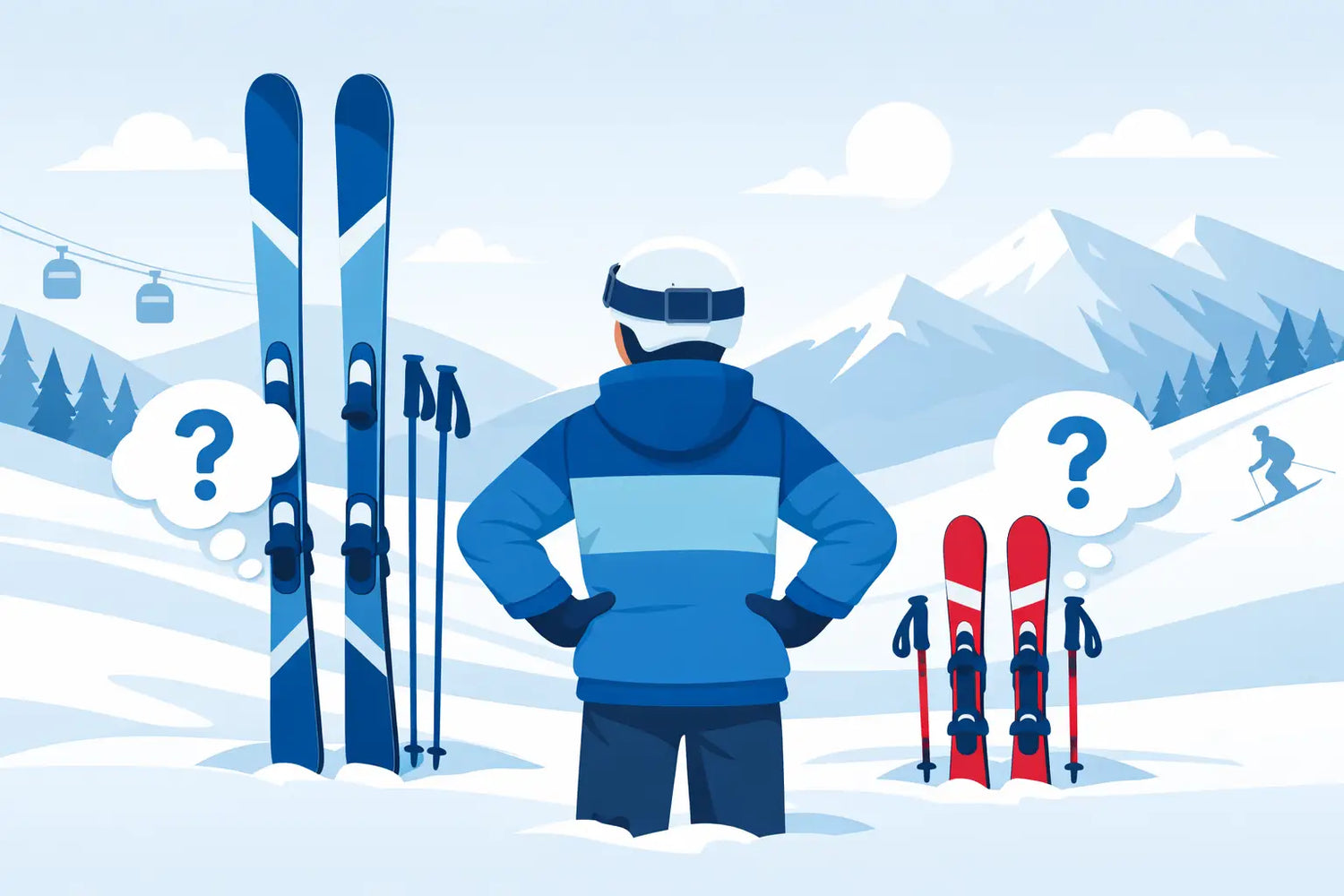
That first run tells the truth fast. If your skis feel long, heavy, and hard to control, confidence disappears in a hurry. So when people ask, are short skis easier, they are really asking something bigger: will shorter gear help me feel stable, turn sooner, and spend more time having fun than fighting for balance?
For a lot of beginners, the answer is yes. Shorter skis usually feel less intimidating. They take less effort to steer, they respond faster at lower speeds, and they can make those first few hours on snow feel more manageable. But there is a catch - easier does not always mean better in every condition, for every rider, or at every stage.
Are short skis easier on day one?
In most beginner situations, yes. Short skis generally make the first steps of skiing feel simpler because there is less ski in front of and behind your boot. That smaller platform can be easier to pivot, easier to slow down with, and easier to recover when your stance gets a little messy.
That matters more than most people think. New skiers are not trying to carve perfect arcs at speed. They are trying to stand comfortably, glide without panic, and figure out how to turn before momentum takes over. Shorter skis support that stage well because they feel more responsive and less cumbersome.
This is one reason so many first-timers struggle with traditional setups. The equipment often asks for too much too soon. Long skis can feel stable once you know what you are doing, but to a beginner they can also feel like a lot of moving parts, a lot of length to control, and a lot of room for mistakes.
Why shorter skis often feel easier
The biggest benefit is maneuverability. Short skis are quicker edge to edge, easier to rotate, and less demanding when you are learning basic turns. If you are nervous on snow, that quick response can feel like a huge win.
They also tend to feel lighter and less awkward. That matters on the slope, but it matters off the slope too. Beginners do not just struggle while skiing. They struggle getting around in boots, carrying gear, and managing equipment that feels bigger than they are. Simpler gear lowers the mental load before the run even starts.
There is also a confidence factor. A shorter setup often feels less aggressive. You are more willing to try, more willing to move, and less likely to freeze up. For beginners, confidence is not a nice extra. It is the difference between learning and quitting.
If you come from hockey, figure skating, or inline skating, shorter ski equipment can feel even more natural. You are already used to balance over a shorter platform, quick direction changes, and using edges in a dynamic way. That crossover can make the learning curve feel much less steep.
Where short skis are easier - and where they are not
This is where the honest answer matters. Short skis are not automatically easier in every way.
At slower speeds and on gentle terrain, they are usually easier to handle. They help with beginner turns, stopping, and building control. That is exactly where most new riders need help.
But at higher speeds, longer skis can feel more stable. They track more smoothly, especially on hardpack or rougher snow, and they usually offer better support for aggressive carving. So if you are already advanced, or you want a setup mainly for fast resort skiing, shorter is not always the better call.
Snow conditions matter too. In powder or chopped-up snow, very short skis may not give the same float or stability as longer traditional skis. Rider size matters as well. A heavier or more powerful skier may overpower a very short ski if the design is not built to support them.
So yes, shorter skis are often easier to learn on. No, that does not mean every short ski is right for every rider or every mountain day.
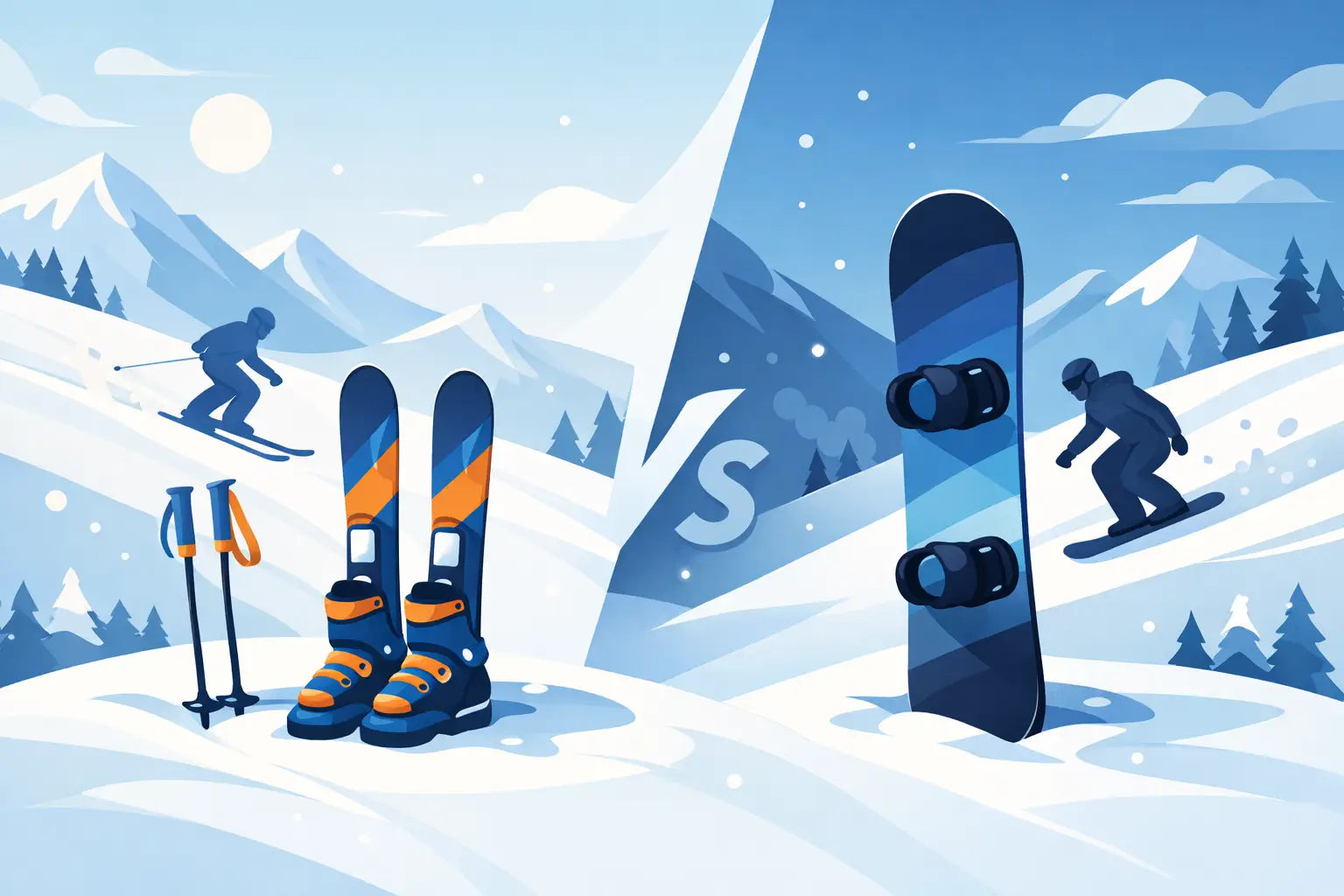
Are short skis easier than snowboards?
For many beginners, they can be. Snowboarding often comes with a rough first day. Falling is common, edge catches are frustrating, and linking turns takes time. Skiing usually feels more familiar because your legs move independently and your stance is less sideways.
Shorter ski formats push that advantage even further. They reduce some of the intimidation of traditional skiing while keeping the forward-facing stance many people find easier to trust. That is especially appealing for people who want progress fast and do not care about mastering old-school technique just for the sake of it.
That is exactly why newer equipment categories are gaining attention. People are not asking for more complexity. They want less fear, less gear, and a faster path to the fun part.
The real issue is not just ski length
Ski length matters, but it is not the whole story. Shape, flex, binding setup, boot feel, and overall design all affect how easy a product feels.
A short ski with a stiff, demanding build can still feel tricky. A well-designed short platform built around beginner control can feel dramatically easier. That is why the best beginner equipment is not just shorter. It is simpler, more forgiving, and designed around fast learning.
This is also where a lot of new skiers get stuck with traditional gear advice. They get told to rent a slightly shorter ski and hope for the best, while still dealing with separate boots, bindings, poles, and a system that can feel like a hassle before the lesson even begins.
For a beginner, convenience is performance. If the setup is easier to wear, easier to carry, and easier to control, you are more relaxed. And relaxed riders learn faster.
Why integrated short-ski systems change the experience
The smartest evolution in beginner skiing is not just shorter skis. It is integrated design.
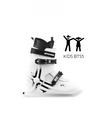
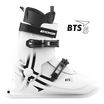
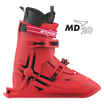
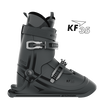
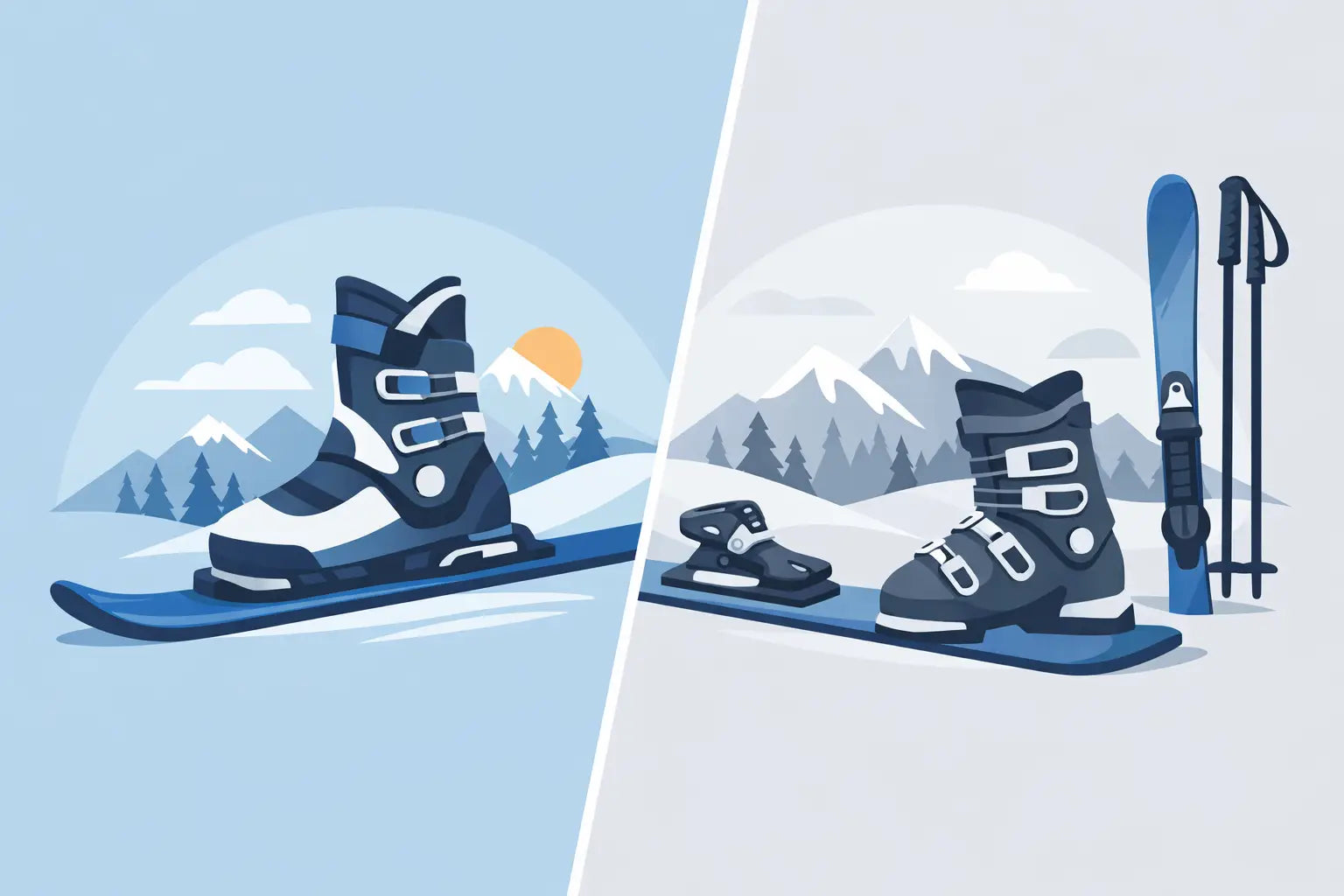
A product like Novaskis takes the idea behind short skis and pushes it where beginners actually need it. The ski is integrated with the boot, so there are no detachable parts to fuss with. That means less setup, less bulk, and less room for awkward mistakes. You step in and go.
That changes the first-day experience in a real way. Instead of spending energy adjusting to a long, clunky setup, you can focus on movement, balance, and having fun. For skaters, hockey players, and other crossover athletes, it feels especially intuitive because the platform works with skills they already have.
It also lines up with what most new riders actually want. They do not want a history lesson on alpine equipment. They want to learn in hours, not days. They want something safer, easier to manage, and less intimidating from minute one.
Who benefits most from shorter skis?
Beginners are the obvious group, but not the only one. Families often love shorter, simpler ski formats because they reduce the chaos of getting kids started. Casual vacation riders benefit because they can spend less time struggling and more time enjoying the mountain. Crossover athletes often progress quickly because the movement feels familiar.
Shorter skis can also make sense for adults who tried skiing once, hated the learning curve, and never went back. A lot of people did not quit because they dislike snow sports. They quit because the first experience felt harder, scarier, and more expensive than it needed to be.
That is a solvable problem.
When shorter skis may not be your best choice
If your goal is high-speed carving on steep runs every weekend, traditional ski length still has advantages. The same goes for deep powder days where more surface area helps. Advanced skiers who want maximum stability at speed may prefer the feel of a longer ski.
But that does not cancel the beginner case. It just means you should be clear about your goal. If your goal is to get comfortable fast, build confidence, and actually enjoy learning, shorter and simpler usually wins.
So, are short skis easier?
For most beginners, yes - short skis are easier in the ways that matter most. They are easier to control, easier to turn, less intimidating, and often more fun right away. The trade-off is that they are not always ideal for every speed, every terrain, or every advanced rider.
Still, the bigger takeaway is this: beginner gear should help you start, not test your patience. If shorter skis make skiing feel more natural, more approachable, and more exciting from the first run, that is not a small advantage. That is the whole point.
The best setup is the one that gets you past the fear stage fast and into the part where winter sports finally click.


Dejar un comentario
Este sitio está protegido por hCaptcha y se aplican la Política de privacidad de hCaptcha y los Términos del servicio.