








Most people do not quit snow sports because they hate the mountain. They quit because day one feels awkward, expensive, and harder than expected. That is exactly why a beginner novaski progression guide matters. If you want the fastest path from first slide to real confidence, the goal is not to look advanced on hour one. The goal is to build control early, stack small wins, and make snow feel fun right away.
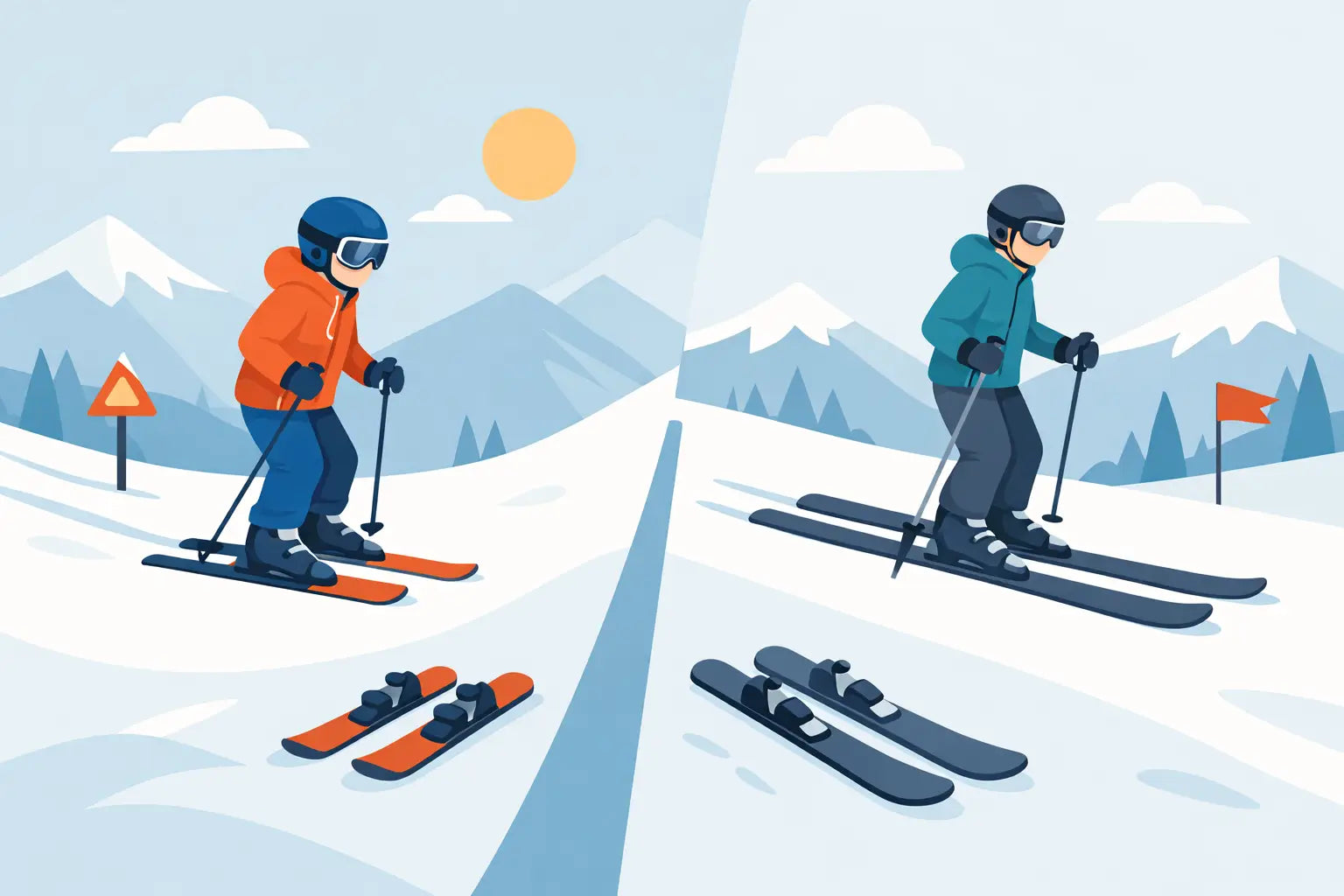
Novaskis change the usual learning curve. You are not wrestling with long skis. You are not spending half the day figuring out detached gear. You are starting from a more natural stance, with a setup that feels familiar faster, especially if you come from hockey, skating, or inline sports. That does not mean every beginner progresses at the same speed. It means the path gets simpler.
What beginner progression should actually look like
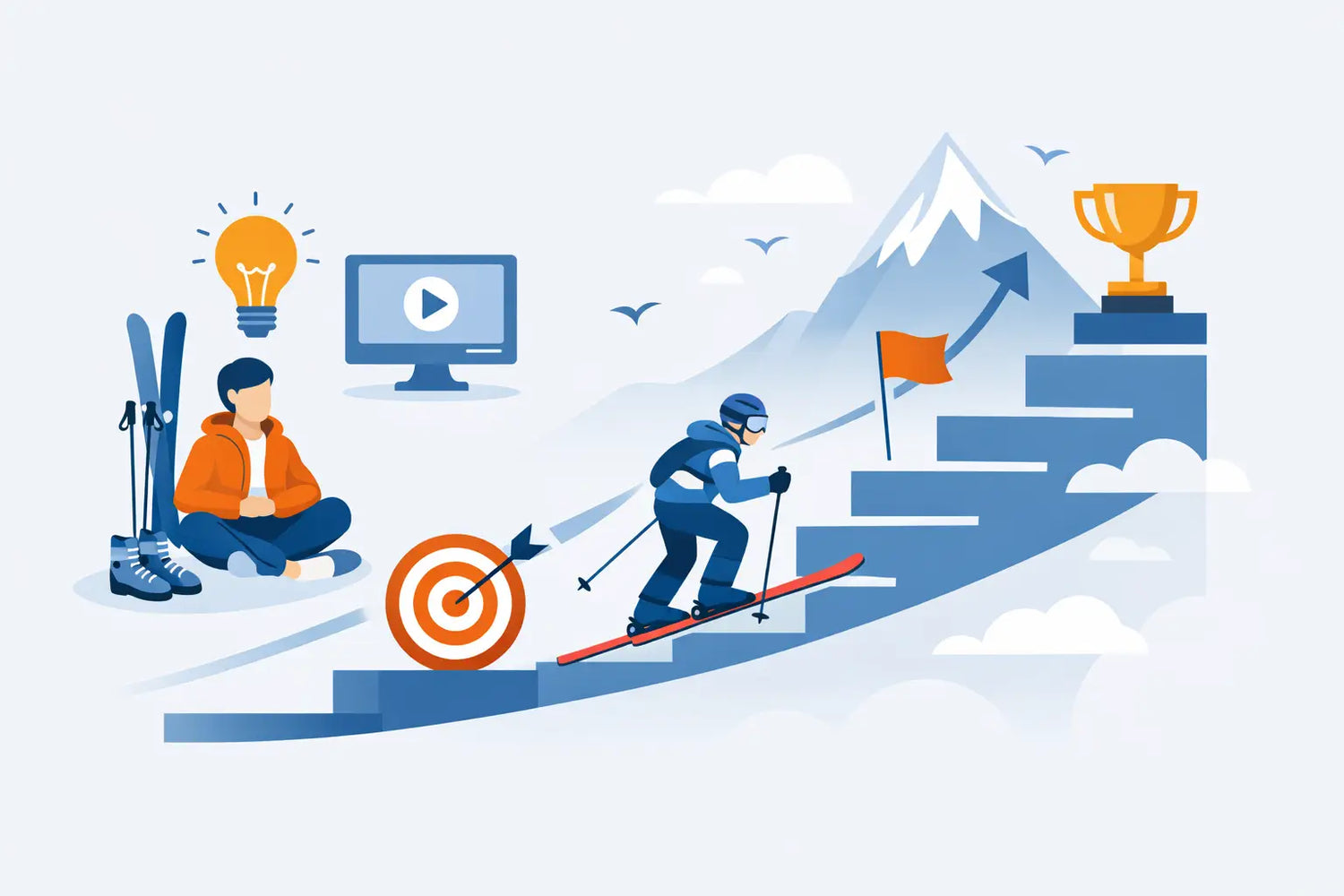
A lot of first-timers think progression means going from zero to carving fast by the afternoon. That is usually where frustration starts. Real beginner progression is more practical. First you find balance. Then you control speed. Then you steer on purpose. After that, turns become smoother, and confidence starts to show up without forcing it.
With Novaskis, that timeline can move much faster than traditional skiing or snowboarding. Many riders get the basic feel within 1 to 2 hours instead of needing 1 to 2 full days. Still, speed of learning depends on your background. A hockey player may feel stable almost instantly. A total first-timer may need more time just getting comfortable sliding. Both are normal.
The win for beginners is this: you can feel progress early, and early progress keeps people going.
Beginner Novaski progression guide: your first three phases
The easiest way to think about learning is in phases, not levels. You are not trying to become "advanced" in one trip. You are trying to move cleanly from unsure to comfortable.
Phase 1: Get stable before you get ambitious
Your first session should be about stance, balance, and stopping. Stay on gentle terrain. Keep your knees soft, your chest up, and your weight centered instead of leaning too far back. New riders often lean back when they get nervous, and that usually makes control worse, not better.
At this stage, the main job is learning how the edges feel and how your body responds when the snow changes under you. Small slides matter. Straight glides matter. Controlled stops matter. If you can start, glide, and stop without panic, you are building the foundation that makes everything else easier.
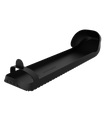
This is also where Novaskis feel different in a good way. The setup is less intimidating, and the shorter platform can help beginners feel less locked into awkward movements. That creates faster trust, which is a big deal on day one.
Phase 2: Turn with intention
Once you feel balanced, the next step is direction. Not speed. Direction. Start making gentle turns on easy slopes and learn how edge pressure changes your path. You do not need aggressive carving. You need repeatable control.
Think of turning as a way to manage the hill, not just a trick to learn. When riders understand that turns help control speed, they stop feeling like passengers. They start feeling in charge. That shift is huge for confidence.
If you have a skating background, this phase may click fast because edging and lower-body control already feel familiar. If you do not, no problem. Keep the turns shallow, keep the terrain mellow, and let repetition do the work.
Phase 3: Link turns and ride longer
This is the phase where snow sports start feeling social and fun instead of instructional. You are linking turns, choosing lines, and riding longer without overthinking every movement. You still want easy to moderate terrain, but now the focus is flow.
Linked turns are where beginners usually realize they can actually do this. You are no longer surviving each slide. You are moving with rhythm. That feeling is what gets people hooked.
Do not rush out of this phase too early. A lot of riders make progress fast, then jump to steeper runs before their stopping and turning are fully dependable. Better to own the basics on easy terrain than get shaky on terrain that is too much too soon.
How to know when you are ready to progress
Progression is not about bravado. It is about consistency. If you can glide, stop, and link turns several times in a row without feeling tense, you are probably ready for a slightly bigger challenge. If one good run is followed by three messy ones, stay where you are a little longer.
A simple benchmark helps. You are ready to progress when you can do the basics while staying relaxed. Tension is usually a sign that the terrain is pushing you past your current control.
This matters for families too. Kids and adults often improve in uneven bursts. One hour can look amazing, and the next can be low energy and sloppy. That is normal. Good progression is not perfectly linear. It is built on repetition, confidence, and smart terrain choices.
The gear choice that matches your level
One of the biggest mistakes in winter sports is choosing gear based on aspiration instead of current ability. Beginners need gear that helps them learn, not gear that makes them work harder to prove something.
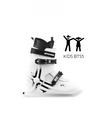
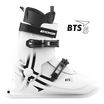
For true first-timers and casual riders, an entry-level model like the BTS5 makes the most sense because it is built for getting started. It gives beginners the right platform to learn balance, stopping, and turning without unnecessary complexity. Riders who already have strong edge awareness from skating or hockey may move through that phase quickly, but that still does not mean they should skip the beginner setup if they are new to snow.
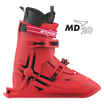
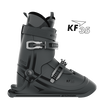
The MD20 fits better once you have repeatable control and want a more performance-oriented step up. The KF35 PRO is for riders with stronger technique and more aggressive intent. There is no prize for buying above your level early. The real flex is progressing fast because your equipment matches where you are now.
What makes some beginners learn faster than others
Confidence helps, but useful confidence matters more than reckless confidence. The fastest learners are usually the ones who stay loose, accept small corrections, and repeat the basics without ego.
Background also plays a role. Ice hockey players, figure skaters, and inline skaters often adapt quickly because edge control, balance, and lower-body coordination already exist. That transfer is real. But snow is still different from ice or pavement. The riders who improve fastest are the ones who respect that difference instead of assuming it will all feel automatic.
Then there is fear. Fear slows progression when it becomes rigid, but a little caution is healthy. It keeps you from pushing terrain too soon. The sweet spot is feeling challenged, not overwhelmed.
Common beginner mistakes that slow progression
Most slowdowns are not dramatic. They are small habits repeated too often. Leaning back is a classic one. So is chasing speed before control. Another big one is moving to steeper slopes because a single easy run felt good.
Overthinking can also get in the way. Beginners sometimes try to memorize too many cues at once - stance, knees, hips, edges, turns, stopping. That usually creates stiff movement. Focus on one or two priorities per session. Stable stance first. Controlled stopping second. Smooth turns after that.
And do not underestimate fatigue. Legs burn, focus drops, and technique gets sloppy fast when beginners stay out too long. A shorter, better session often leads to more progress than grinding through exhaustion.
A smarter way to build confidence on snow
The best progression plan is simple: easy wins first, then slightly bigger wins. Ride terrain where you can succeed. Repeat what works. Add challenge in small steps.
That is why the Novaski approach connects with so many new riders. It strips away some of the friction that makes traditional setups feel harder than they need to be. Less intimidation. Less gear drama. Faster early success. For beginners, that changes everything.
Tomsen Sports built this category around a basic truth: people stick with winter sports when they feel capable early. That does not mean skipping the learning process. It means making the process faster, safer, and way more enjoyable from the start.
If you are just getting started, aim for control before speed, rhythm before steep terrain, and confidence before ego. Once those pieces click, progression stops feeling like work and starts feeling like the reason you cannot wait for your next run.


Dejar un comentario
Este sitio está protegido por hCaptcha y se aplican la Política de privacidad de hCaptcha y los Términos del servicio.