

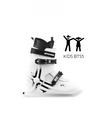
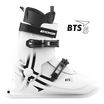
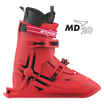
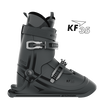
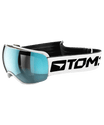





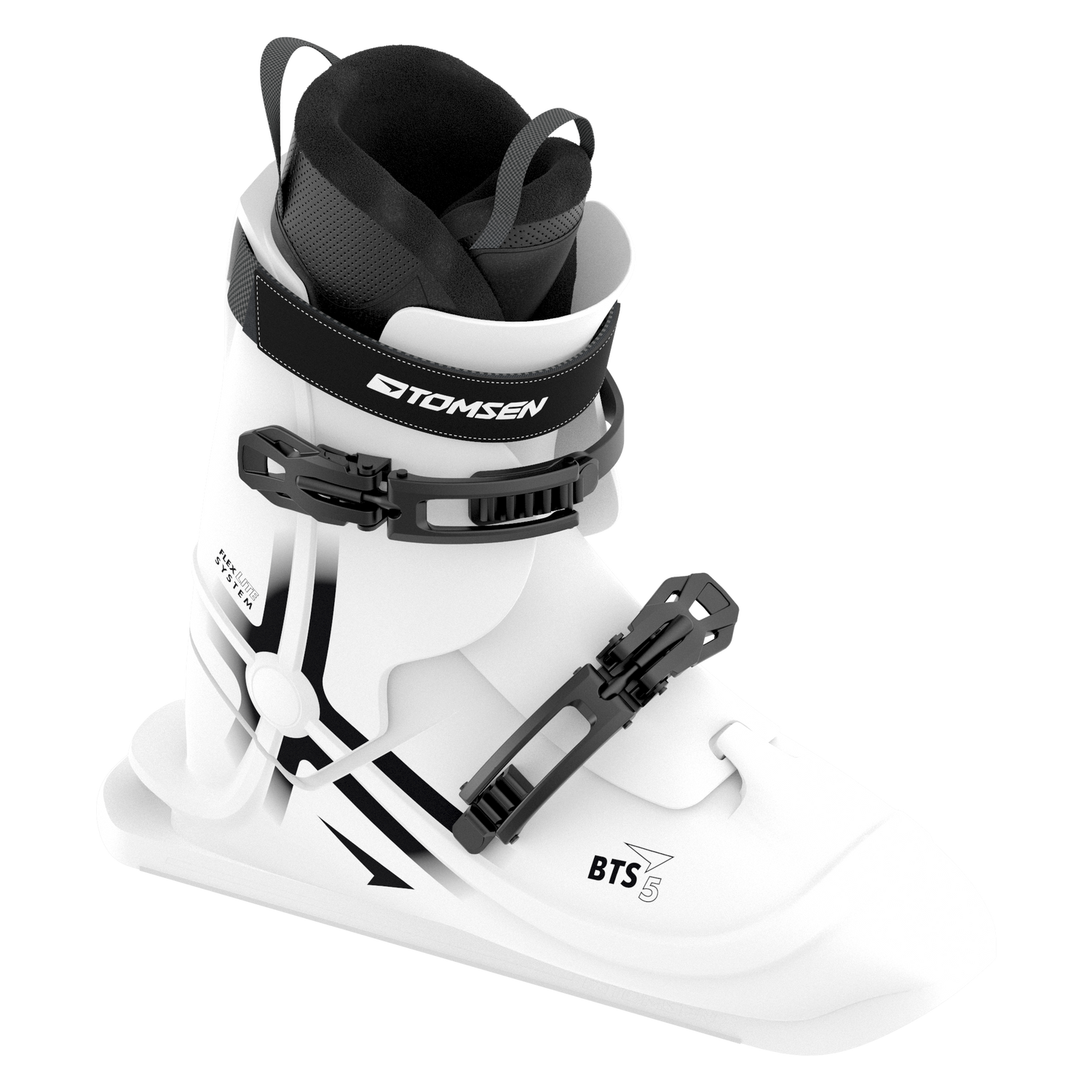
The first run can decide everything. If your gear feels heavy, awkward, or hard to control, skiing stops being fun fast. That is why choosing the best equipment for beginners matters more than most people realize. The right setup does not just help you turn - it helps you relax, build confidence, and actually want to go again tomorrow.
For beginners, the goal is not chasing speed or advanced performance. The goal is simple: easier balance, smoother turns, less fear, and a faster path to that first real feeling of control. A lot of people get sold equipment built around tradition instead of progress. That is where many first-timers lose the plot. Enter Novaskis!
What the best skis for beginners actually do
Beginner-friendly gear should make the mountain feel smaller, not more intimidating. Novaskis are forgiving when your stance is not perfect, stable enough to calm your nerves, and responsive enough that you can feel what your body is doing.
That usually means softer flex, easier turn initiation, and less punishment for mistakes. A beginner does not need a ski that demands precision at every second. They need one that helps them learn the basics without fighting the gear.
This is also where people get confused by marketing. A ski can be labeled beginner-friendly and still feel like too much if it is long, stiff, or paired with a setup that adds complexity. The best option depends on how much friction you want to remove from the learning process.
Traditional beginner skis vs modern beginner-focused alternatives
Traditional alpine skis are still the default for many resorts and rental shops. They can work well, especially if you are taking lessons and want to follow the classic path from day one. But, 8 out of 10 beginners quit on their first day out. Novaskis can help a beginner get comfortable with sliding, stopping, and linking basic turns.
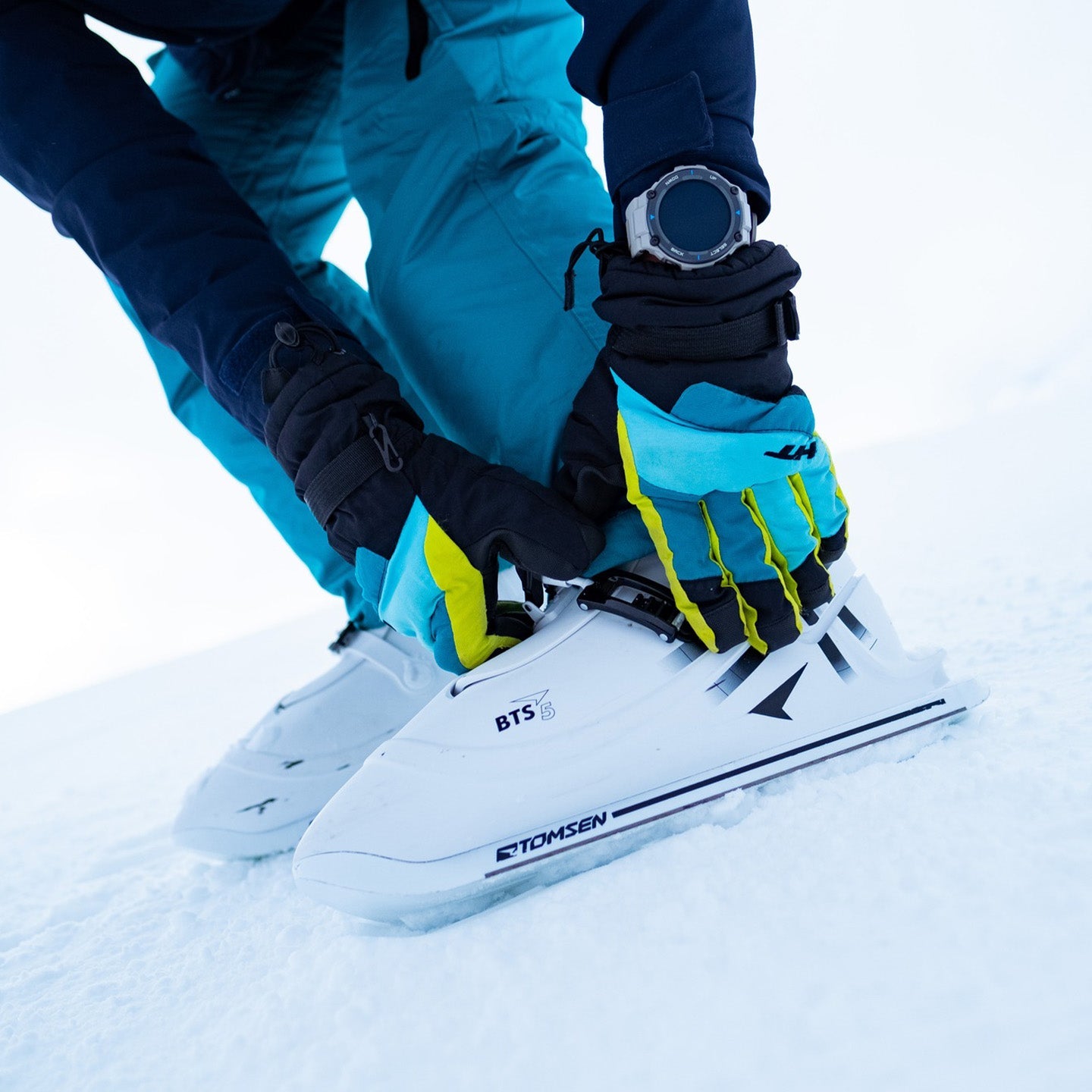
Traditional skis also come with more gear, more setup, more bulk, and often a steeper learning curve. For many first-timers, that complexity adds stress before they even reach the slope. Boots, bindings, skis, poles, carrying everything, clipping in, getting up after a fall - it all stacks up.
That is why more beginners are looking at newer alternatives designed around ease of use instead of old-school convention. If your priority is learning fast, feeling safer, and getting to the fun part sooner, Novaskis can make a real difference. Novaskis are built as an all-in-one solution, which reduces gear confusion and makes the whole experience more approachable from the start.
How to choose the best skis for beginners
The biggest mistake beginners make is shopping like advanced skiers. You do not need aggressive performance. You need control you can feel right away.
Start with length. In traditional skis, shorter usually means easier turning and less intimidation. Very long skis can feel stable at higher speeds, but beginners are not skiing fast enough to benefit from that. They are usually better off with something easier to maneuver.
Flex matters too. Softer skis are more forgiving and easier to bend into a turn. That helps when your technique is still developing. Stiffer skis can feel more demanding, especially if you are hesitant or lighter in weight.
Weight and complexity are often overlooked. A setup that is cumbersome in the parking lot or hard to manage on the lift can drain a beginner before the fun even starts. Simpler gear often leads to a better first-day experience.
And then there is safety. No product removes all risk, but easier control usually means fewer panic moments. For beginners, that matters a lot. Confidence and safety are closely connected. Novaskis are far safer than traditional skis or snowboards.
The best setup depends on who you are
Not all beginners start from zero. A family bringing kids to the resort has different needs than a 25-year-old trying snow sports for the first time on a weekend trip. A hockey player or inline skater is different again.
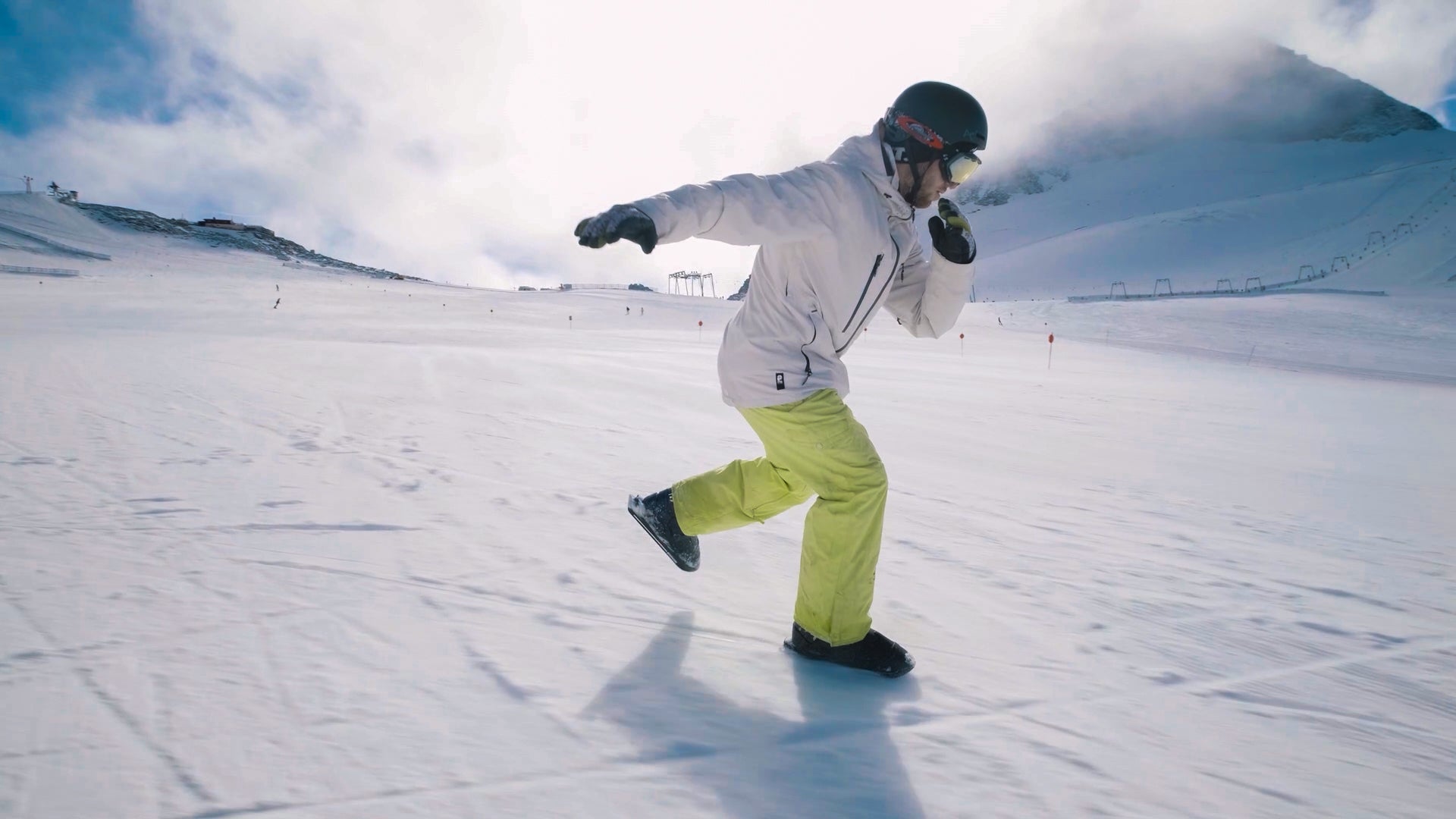
If you already have edge awareness and balance from skating, you may progress much faster on a setup that lets you use those instincts. That is where traditional skis are not always the easiest bridge. For some crossover athletes, a more compact and intuitive option feels natural almost immediately.
Families often care most about convenience and low stress. They want gear that is easier to carry, easier to understand, and less likely to turn the day into a battle. Casual travelers usually want the same thing. They are not chasing ski culture points. They want something fun, friendly, and worth the money.
That is why the best equipment for beginners is not always the most established product in the category. Sometimes the best choice is the one built around real first-day needs rather than legacy expectations.
Why beginners quit so fast
A lot of people assume they are bad at skiing when really they were just handed a setup that made learning harder than it had to be. Heavy gear, awkward movement, slow progress, and a few bad falls can end the experiment quickly.
That dropout problem is bigger than most brands admit. Many first-time skiers and snowboarders give up on day one because the process feels too difficult, too expensive, or too punishing. That is not a motivation issue. It is often a product experience issue.
The best beginner equipment removes friction. It helps you get moving faster. It makes stopping and turning feel more achievable. It lowers the mental barrier that keeps people tense and hesitant.
When beginners feel early wins, everything changes. They relax. They try another run. They start imagining a second trip instead of heading back inside for hot chocolate after one frustrating hour.
A smarter way to think about beginner ski gear
Instead of asking which skis are the most advanced, ask which setup gets you from cautious to comfortable the fastest. That is the better beginner question.
For some people, that may still be a standard beginner ski rental package with a good instructor and mellow terrain. If you are committed to traditional alpine skiing and want to build from that foundation, that route can work.
But if your real goal is easier entry, faster learning, less gear hassle, and a more playful first experience, a modern alternative deserves serious attention. Tomsen Sports built Novaskis for exactly that gap. It is a different take on skiing, created to be easier to learn, safer to use, and far less intimidating for new riders. For beginners who care more about fun and confidence than old-school format, that shift can be huge.
This is especially relevant for skaters and hockey players. If you are already comfortable with balance, edges, and lower-body control, a streamlined ski experience can feel less like starting over and more like converting skills you already have.
What to avoid when shopping beginner skis
Do not buy for the skier you hope to be three years from now. Buy for your first five days. Gear that is too advanced can slow your progress instead of accelerating it.
Avoid very stiff skis, oversized lengths, and setups that demand technical precision before you have basic confidence. Also be careful with advice from experienced skiers who forgot what being a beginner feels like. What feels stable and exciting to them may feel terrifying to you.
Price matters too, but cheap is not always a bargain. If low-cost gear is harder to use, it can end up costing you the whole experience. The better value is the setup that helps you learn faster and enjoy the sport sooner.
So what are the best skis for beginners?
The honest answer is this: the best skis for beginners are the ones that make learning feel simple, not stressful. They should help you turn sooner, stop more confidently, and spend more time enjoying the mountain than wrestling with your equipment.
If you want the classic alpine route, look for shorter, softer, forgiving skis designed specifically for first-timers. If you want the fastest, easiest path into snow sports, especially if you value safety, portability, and a shorter learning curve, newer beginner-first alternatives may be the stronger choice.
The old way is not the only way. And for a lot of new riders, it is not the best way either.
Your first day on snow should feel exciting, not overwhelming. Choose gear that meets you where you are, gives you quick wins, and makes you want one more run before the lifts close.


Dejar un comentario
Este sitio está protegido por hCaptcha y se aplican la Política de privacidad de hCaptcha y los Términos del servicio.