






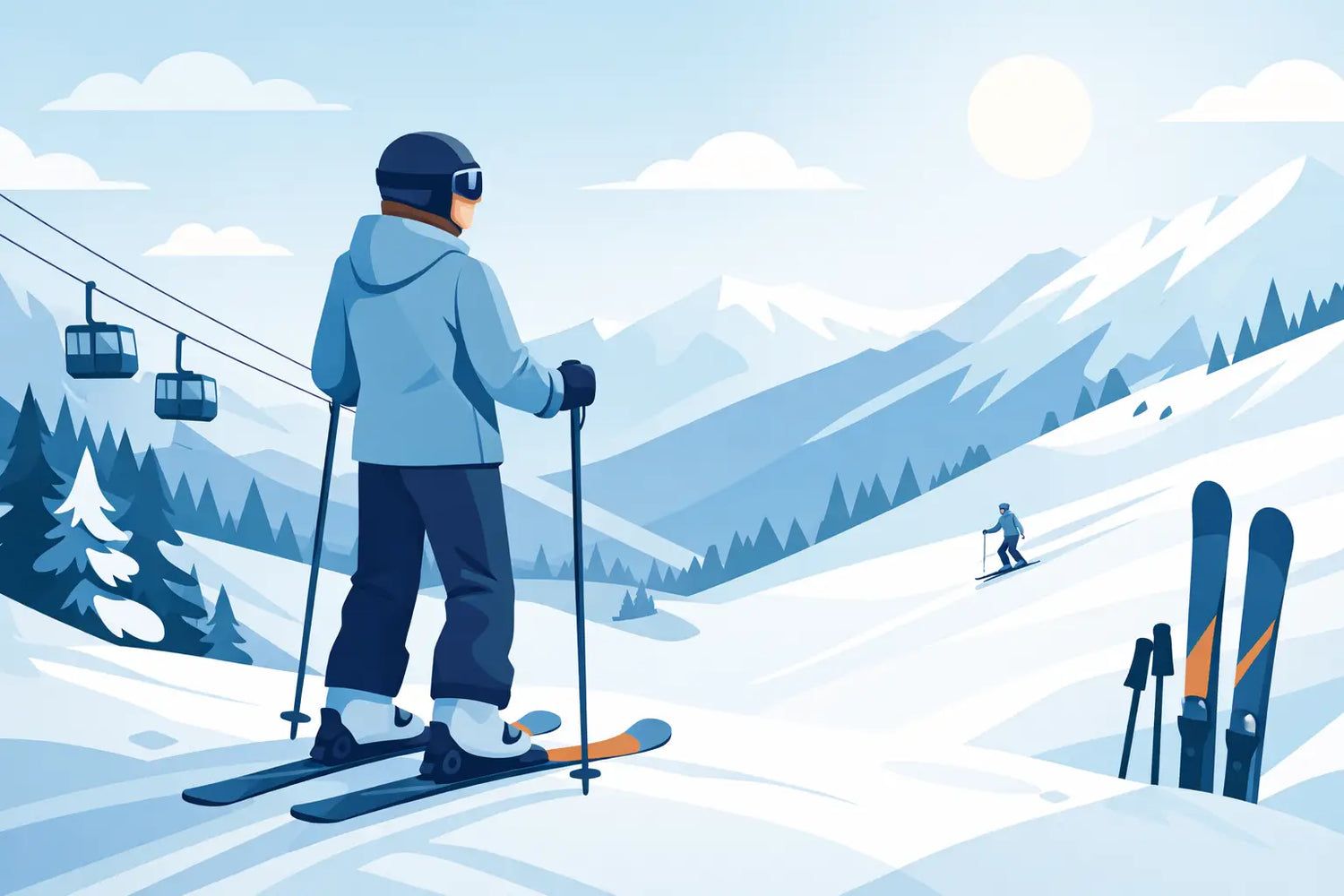
The hardest part of learning to ski as an adult usually is not fitness. It is not courage, either. It is the moment you look at the slope, look at the gear, and think, this feels like a lot. That is exactly why so many people search for how to start skiing as an adult - not because they are incapable, but because traditional skiing can feel weirdly complicated before it feels fun.
Here is the good news. Adults can absolutely learn to ski, and in many ways, they learn smarter than kids do. You bring patience, body awareness, and a better sense of risk. What trips people up is not age. It is friction: heavy gear, confusing setup, fear of falling, and the pressure to "get it" fast enough to enjoy the day.
How to start skiing as an adult without making it harder
If you are starting from zero, your real goal is not to look polished. It is to get moving safely, build confidence early, and finish day one wanting another run. That sounds obvious, but a lot of first-timers sabotage themselves by aiming too high.
The fastest path is to simplify everything you can. Choose beginner terrain. Wear gear that feels manageable. Accept that your first few runs are about balance and stopping, not speed or style. Adults do better when the experience feels controlled.
This is also where equipment matters more than people admit. Traditional ski setups can be intimidating because there are multiple parts, more to carry, more to adjust, and more ways to feel awkward before you even slide. For some beginners, that is fine. For others, it is enough to kill the mood before learning starts.
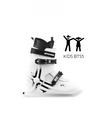
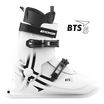
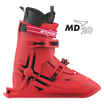
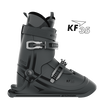
A modern option like Novaskis makes sense for adults who want a lower-friction way in. With the ski integrated into the boot, fewer moving parts, and a design built around easier learning, the whole experience feels more approachable. That matters when your goal is confidence on day one, not joining a gear debate.
Start with the right expectations
A lot of adults ask, "Am I too old to start skiing?" Almost never. The better question is, "What kind of first-day experience am I trying to have?"
If you expect to carve advanced runs in a weekend, you will probably feel frustrated. If you expect to learn how to glide, turn, and stop with control, you are setting yourself up to win. Progress comes faster when you stop treating beginner steps as a problem.
There is also a difference between learning traditional alpine skiing and learning a simpler alternative. If you want the full legacy ski experience, you may need more patience with setup and technique. If you mostly want to enjoy snow, feel stable, and have fun quickly, a more modern product can get you there sooner. Neither goal is wrong. It depends on what you actually want from the sport.
If you already skate, you may have a head start
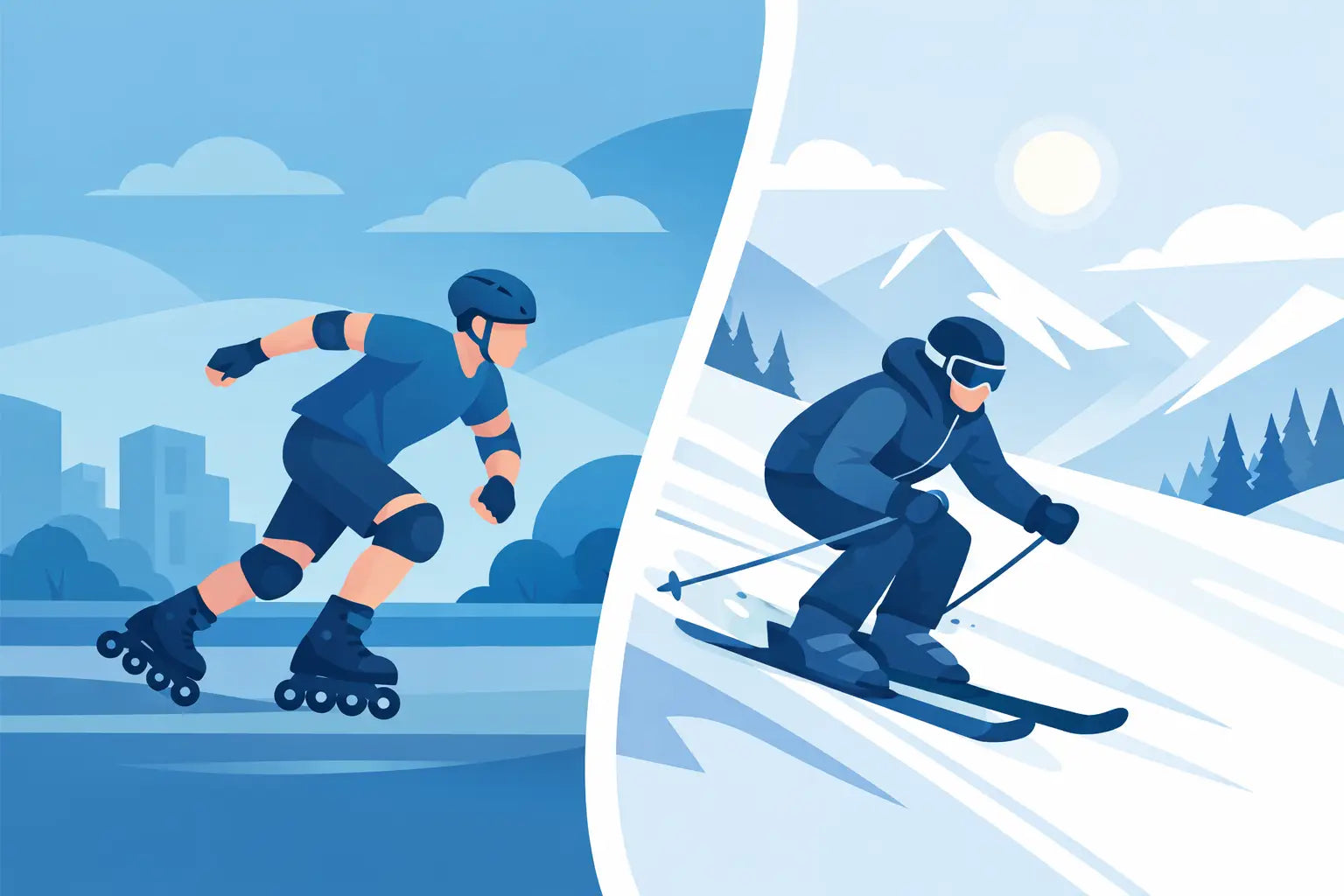
Hockey players, figure skaters, rollerbladers, and inline skaters often adapt to snow faster than they expect. Edge awareness, balance, stance control, and comfort gliding all carry over. Not perfectly, but enough to shorten the awkward phase.
That does not mean you should skip beginner basics. It means you can lean into what you already know. If you are used to staying centered over your feet and controlling movement with your lower body, skiing may feel less foreign than you think.
What you actually need for your first day
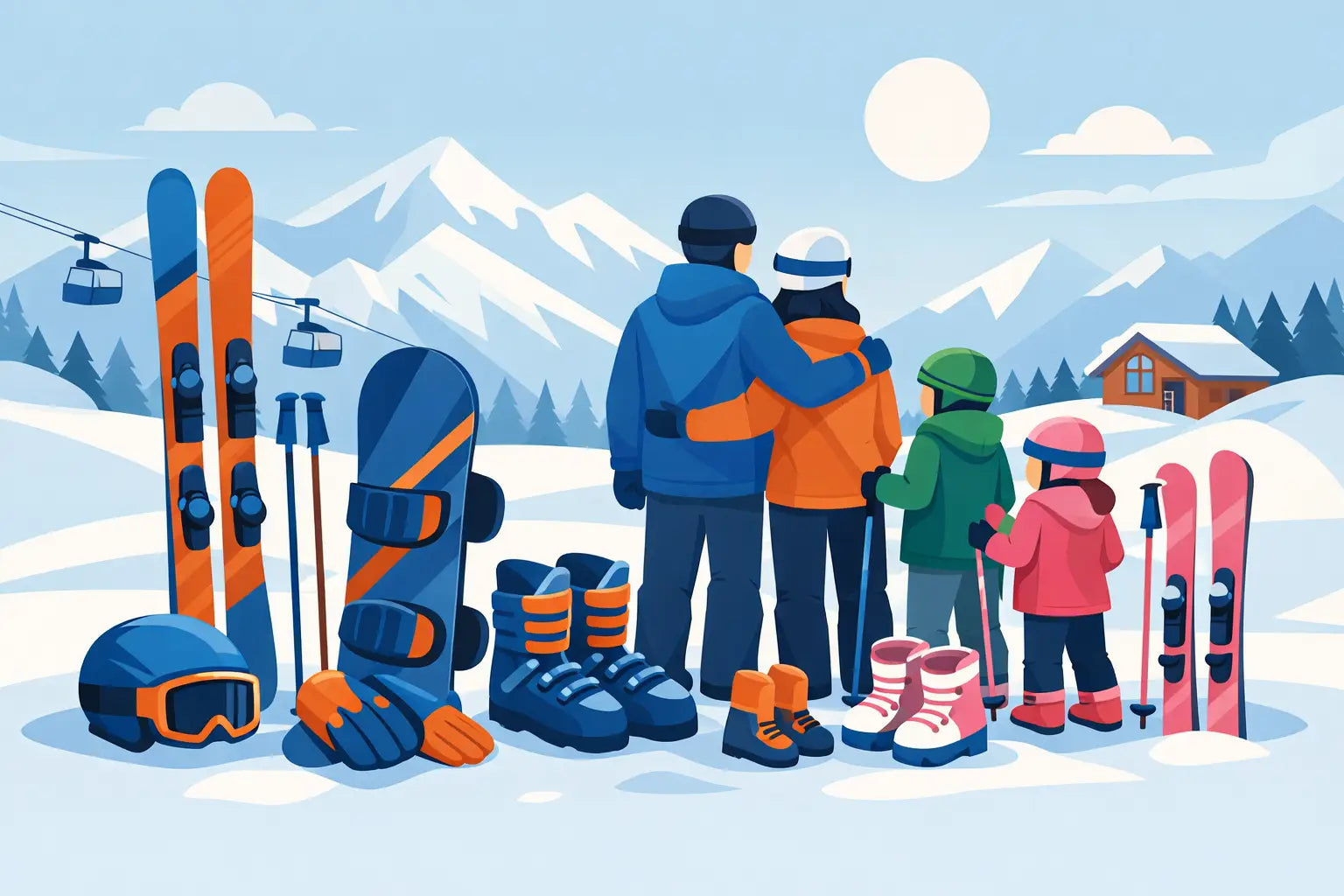
You do not need a mountain of equipment. You need gear that keeps you warm, helps you feel secure, and does not distract you.
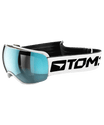
Dress in layers so you can adjust if you get warm. Wear waterproof outerwear, gloves, and socks that are comfortable but not bulky. A helmet and goggles are non-negotiable. Safety and visibility are part of fun, not separate from it.
Where beginners often go wrong is renting or borrowing whatever is cheapest without thinking about ease of use. Clunky, uncomfortable gear can make simple movements feel harder than they are. That is one reason more first-timers are interested in systems built for simplicity and portability instead of traditional setups that can feel like homework.
If possible, handle your gear before you hit the slope. Walk around in it. Feel how your stance changes. The less surprise you have at the top of a beginner run, the better.
Your first skills matter more than your first run
When people picture learning to ski, they imagine going downhill. The real breakthrough comes earlier.
First, learn how to stand in an athletic position: knees soft, weight centered, chest relaxed, eyes forward. Most beginners lean back when they get nervous, which makes control worse. Staying centered is not flashy, but it fixes a lot.
Next, learn how to stop before you worry about turning smoothly. If you know you can slow down and stop on command, fear drops fast. Once fear drops, learning gets easier.
Then work on small, controlled direction changes on easy terrain. Short runs are better than long survival runs. Repetition builds confidence. Confidence builds flow.
This is why beginner-friendly equipment matters so much. If your setup helps you feel stable and responsive sooner, the learning curve changes. Instead of spending hours just trying to get comfortable, you can spend that time building skill.
How to start skiing as an adult if you are nervous
Most adults are not worried about skiing. They are worried about falling in public, getting hurt, or looking foolish. Fair enough. Those fears are normal.
The fix is not pretending fear does not exist. The fix is reducing the reasons for it. Choose a quiet day instead of a crowded weekend. Start on the smallest slope available. Take breaks before you are exhausted. Fatigue makes everything feel scarier.
You should also give yourself permission to learn differently than the people around you. Some adults love a lesson. Others do better with a friend and a low-pressure setup. Some want traditional skis because that is part of the challenge. Others want the fastest path to control and fun. Be honest about what helps you stick with it.
A lot of first-day quitters are not bad at skiing. They just had a first experience that was too uncomfortable, too complicated, or too punishing. Change that equation, and the sport changes too.
Lessons versus learning with friends
A good lesson can save you hours of frustration. An instructor can spot stance problems early and give you simple cues that make everything click faster.
That said, not everyone wants a formal lesson right away. If you already come from skating or similar sports, a lower-barrier setup and a few focused practice runs may be enough to get you moving confidently. The trade-off is that self-teaching can lock in bad habits if you rush. If something feels off, outside feedback helps.
Make your first day about momentum, not mileage
A common adult mistake is measuring success by how much terrain you cover. That is not the win. The win is leaving with control, energy, and enough confidence to come back.
Keep your first session shorter than your ego wants. Two productive hours can beat a miserable full day. Stop while you still feel good. Your brain remembers endings.
It also helps to celebrate small markers. Your first clean stop. Your first controlled turn. Your first run without that panicky feeling halfway down. Those are the moments that turn skiing from intimidating into addictive.
If your setup lets you reach that feeling in one to two hours instead of one to two days, that is not a small difference. That is the difference between becoming a skier and deciding skiing is not for you.
The smartest adult beginners remove friction early
If you want the clearest answer to how to start skiing as an adult, it is this: lower the barrier, then build from there. Pick easier terrain. Use safer, simpler gear. Focus on stopping, balance, and short turns. Do not let pride choose your setup.
Adults are busy. You do not need a ritual of confusing equipment, sore feet, and all-day frustration to earn the sport. You need a first experience that feels possible. Once that clicks, progression gets a lot more exciting.
Skiing does not have to begin with overwhelm. It can begin with one smooth glide, one easy stop, and the realization that this is actually fun. Start there, and the mountain gets a lot bigger in the best way.


Dejar un comentario
Este sitio está protegido por hCaptcha y se aplican la Política de privacidad de hCaptcha y los Términos del servicio.