






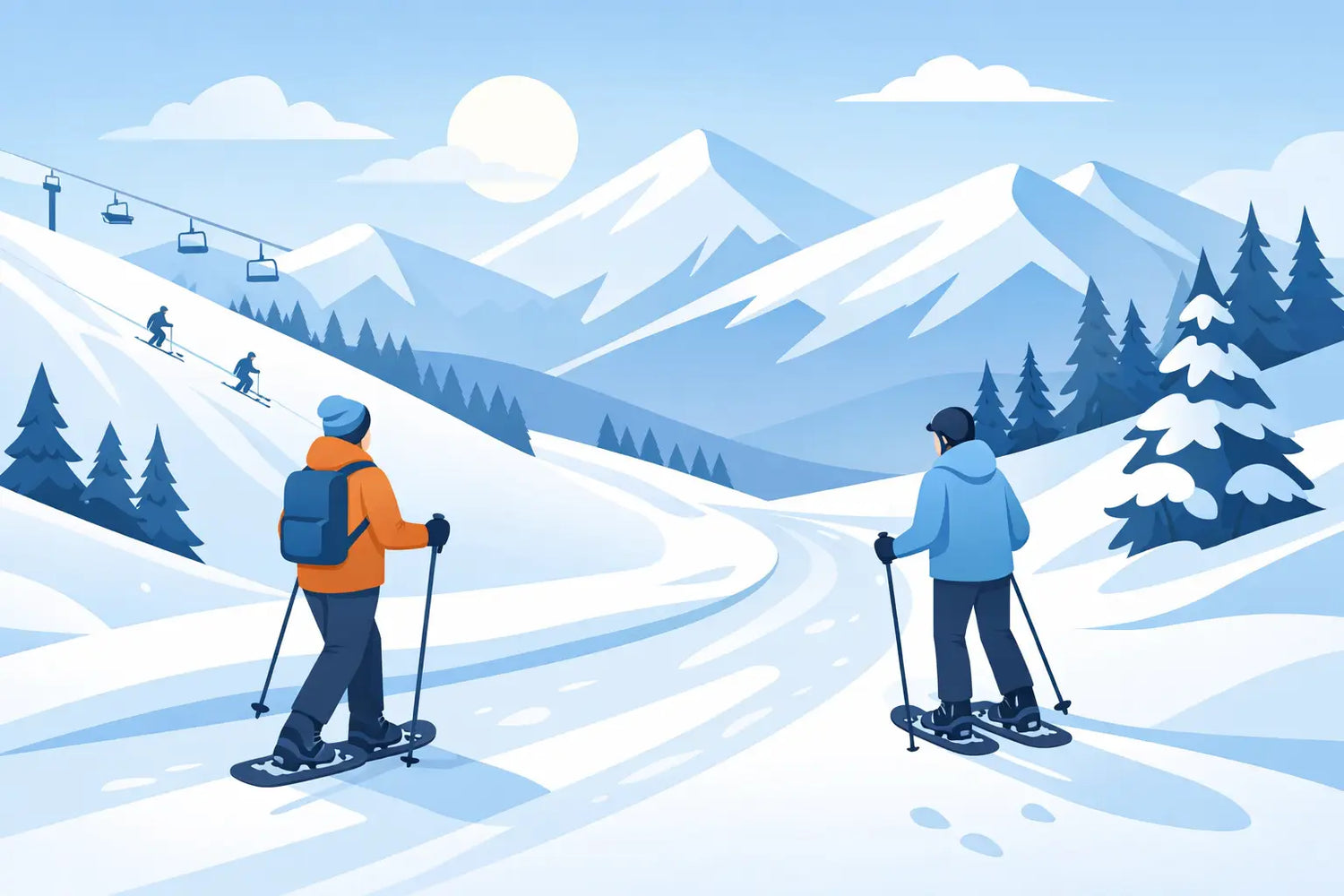
The hardest part of a first ski day usually is not the cold. It is the moment you clip into long skis, look downhill, and realize your legs suddenly feel like they belong to someone else. For a lot of beginners, that is exactly why they start searching for a safer alternative to skiing before they ever get a real chance to enjoy the mountain.
That search makes sense. Traditional skiing can be amazing, but it also asks a lot on day one. You need balance, edge control, stopping technique, turning mechanics, and enough confidence to keep going after a few awkward falls. Add bulky gear and the cost of a full setup, and it is no surprise so many people quit early. If the goal is to have fun sooner with less fear, there is a smarter way in.
What makes a safer alternative to skiing feel safer?
Safety in winter sports is never just about marketing claims. It comes down to how much control a beginner has, how quickly they can learn basic movements, and how much equipment complexity gets in the way.
Traditional skis are long, separate pieces of equipment. That length can create stability at speed, but it also gives beginners more leverage to manage. When turns go wrong or legs cross up, the extra length can make small mistakes feel bigger fast. Snowboards remove the separate ski issue, but they often come with a rough first-day learning curve, especially when it comes to falling, getting up, and controlling speed.
A safer alternative to skiing usually changes one or more of those variables. It might reduce the learning curve. It might simplify the setup. It might make movement feel more natural for someone who has skated before. And it might lower the chance of those classic beginner crashes caused by catching an edge or losing control of long skis.
That does not mean risk disappears. Snow and speed still demand respect. But beginner-friendly design matters, and it matters a lot.
Why beginners struggle with traditional skis
Most first-timers are not failing because they are unathletic. They are fighting gear that feels unfamiliar. Long skis can be intimidating from the first step in the parking lot. Carrying them is awkward. Clipping in can be frustrating. Moving on flat snow feels clumsy. Then the slope adds pressure.
For families, casual vacationers, and younger adults trying winter sports for fun, that friction adds up. A sport that looks social and exciting suddenly feels technical and stressful. When people say skiing is hard, they often mean the first few hours are hard enough to kill the fun.
That is why many beginners, especially those with backgrounds in hockey, figure skating, or inline skating, are drawn to products that keep the movement more compact and intuitive. If the body can stay in a more natural stance and the equipment responds faster, confidence rises quickly.
The modern answer: integrated short skis
If you are looking for a real safer alternative to skiing, integrated short skis stand out for one simple reason: they cut down the complexity without cutting out the thrill.
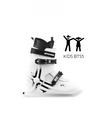
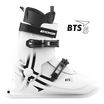
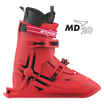
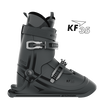
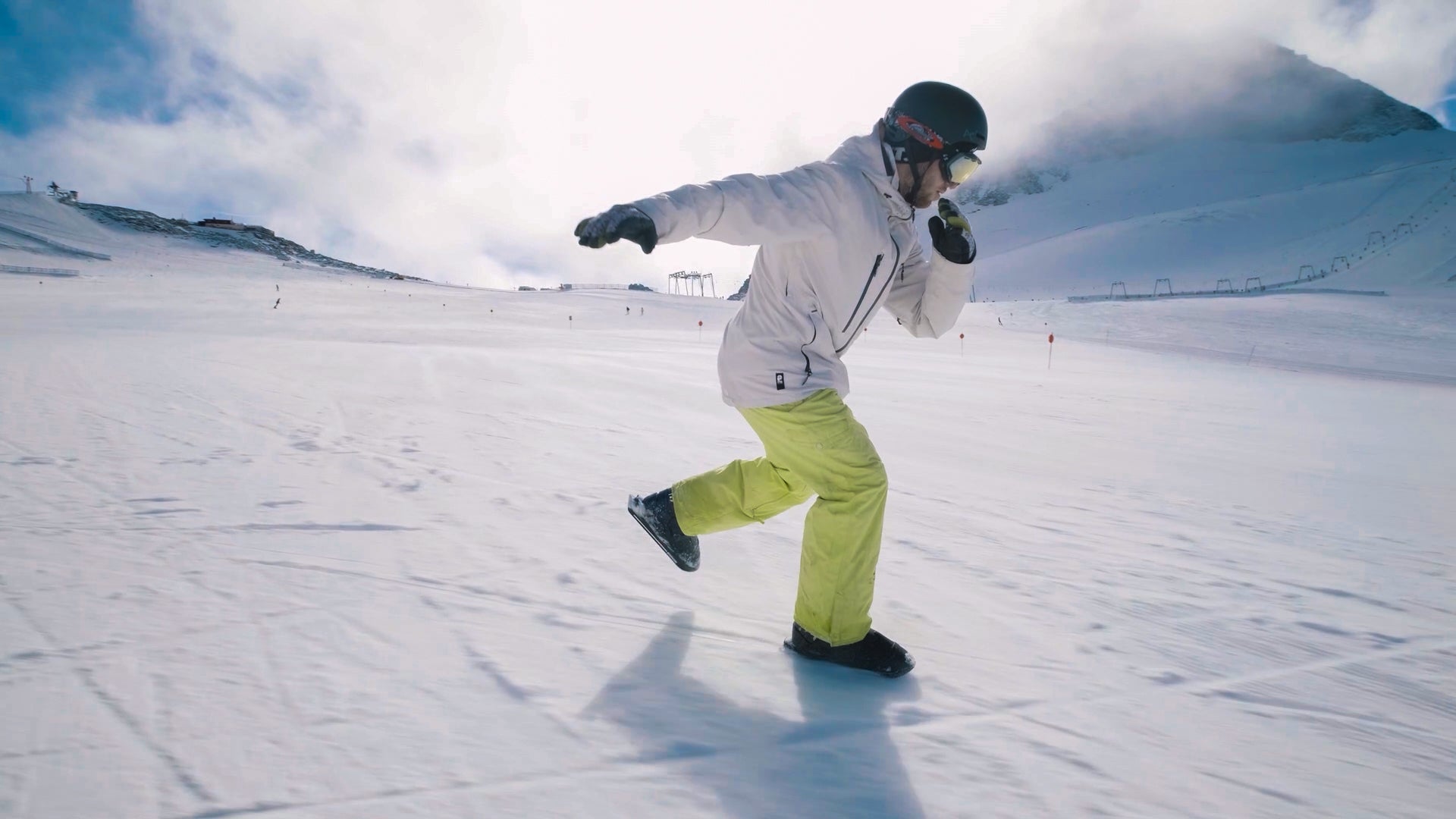
Instead of using long detachable skis and separate boots, this setup combines the boot and ski into one complete product. You step in and ride. That sounds like a small shift, but for beginners it changes almost everything. The gear is easier to carry, easier to control, and easier to understand right away.
Shorter integrated skis are designed to feel more responsive at low to moderate speeds, which is where most beginners spend their time. Because they are more compact, many new riders find it easier to initiate turns, manage balance, and recover from small mistakes before those mistakes become wipeouts.
This is also where crossover athletes get a big advantage. If you have played hockey, skated, or spent time on inline skates, the stance and edging can feel much more familiar than traditional skiing. You are not starting from zero. You are adapting skills you already have.
Tomsen Sports built Novaskis around exactly that idea - make skiing simpler, safer, and dramatically faster to learn. For many first-timers, that means getting the basic feel in one to two hours instead of grinding through one to two days of frustration.
Safer does not mean boring
There is a weird myth in winter sports that if something is easier to learn, it must be less fun. That only sounds true if your idea of fun is spending half the day falling, adjusting bindings, and wondering why everyone else seems more relaxed than you.
For most people, fun starts when fear drops. It starts when turning feels possible, stopping feels reliable, and the gear stops fighting back. A product that gets you there faster does not water down the experience. It unlocks the part you came for in the first place.
That is especially true for casual riders who want social laps, family trips, and repeatable good days on snow. They are not training for downhill racing. They want to feel free, not overwhelmed.
Who should consider this kind of alternative?
A safer alternative to skiing makes the most sense for people who care more about quick progress than tradition. First-time slope visitors are the obvious fit, but they are far from the only ones.
Families often love the lower intimidation factor. Parents want equipment that helps kids build confidence early, not something that turns the whole day into a negotiation. Travelers and vacation riders like anything that is easier to pack, carry, and use without a long adjustment period. Value-conscious shoppers also pay attention when a full setup costs less than traditional ski or snowboard gear.
Then there is the skater crowd. Hockey players, figure skaters, and inline skaters often adapt quickly because they already understand edge pressure, balance, and lower-body control. For them, integrated short skis can feel like a much more natural bridge into snow.
The trade-offs are real
A credible conversation about a safer alternative to skiing has to include trade-offs. Traditional skis still have advantages, especially for experienced riders who want higher-speed stability, a wider range of mountain conditions, or the classic alpine feel they already know and love.
If your goal is aggressive carving on advanced terrain all day, long skis may remain the better tool. If you want the fastest path from zero to confident riding, a compact integrated system can be the better fit. It depends on what kind of day you want and how you define success on snow.
That distinction matters. Not every rider needs the same equipment. But a huge number of beginners have been pushed into traditional gear simply because it is familiar, not because it is the best match for their goals.
What to look for in a beginner-friendly setup
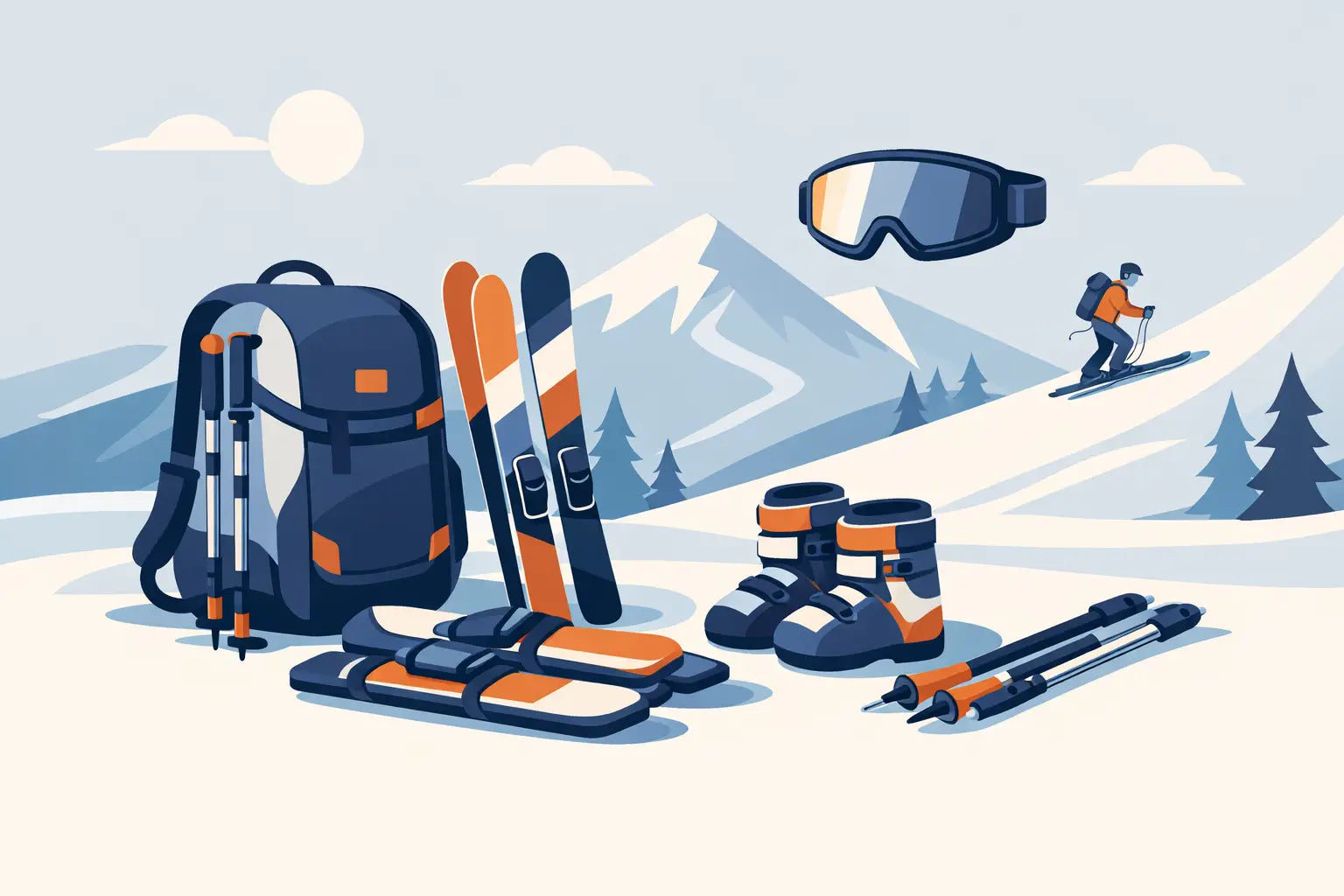
If you are comparing options, focus less on hype and more on what actually affects the first-day experience. A good beginner setup should feel easy to step into, simple to carry, and forgiving when your technique is still messy. It should encourage a natural stance and let you build confidence before speed becomes a factor.
Integrated construction helps because there are fewer pieces to manage. Steel edges matter because control matters. Comfort matters more than people admit, because if your feet are miserable, everything else falls apart. Portability matters too, especially if you are tired of hauling half a garage to the mountain.
Most of all, ask one practical question: will this help me enjoy my first few hours on snow more? That answer tells you more than any technical spec sheet.
A better first day changes everything
Winter sports do not need to start with fear and bruises. They can start with fast learning, early wins, and that rare feeling of getting the hang of something sooner than expected. That is the real promise behind finding a safer alternative to skiing.
For beginners, the best gear is not the most traditional. It is the gear that gets you moving with confidence, strips away unnecessary complexity, and makes you want another run instead of an early exit. If that sounds like a very different way to start skiing, that is because it is. And for a lot of people, different is exactly what makes it better.
The right first experience does more than teach you a sport. It gives you a reason to come back next weekend.


Dejar un comentario
Este sitio está protegido por hCaptcha y se aplican la Política de privacidad de hCaptcha y los Términos del servicio.