

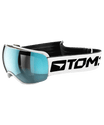







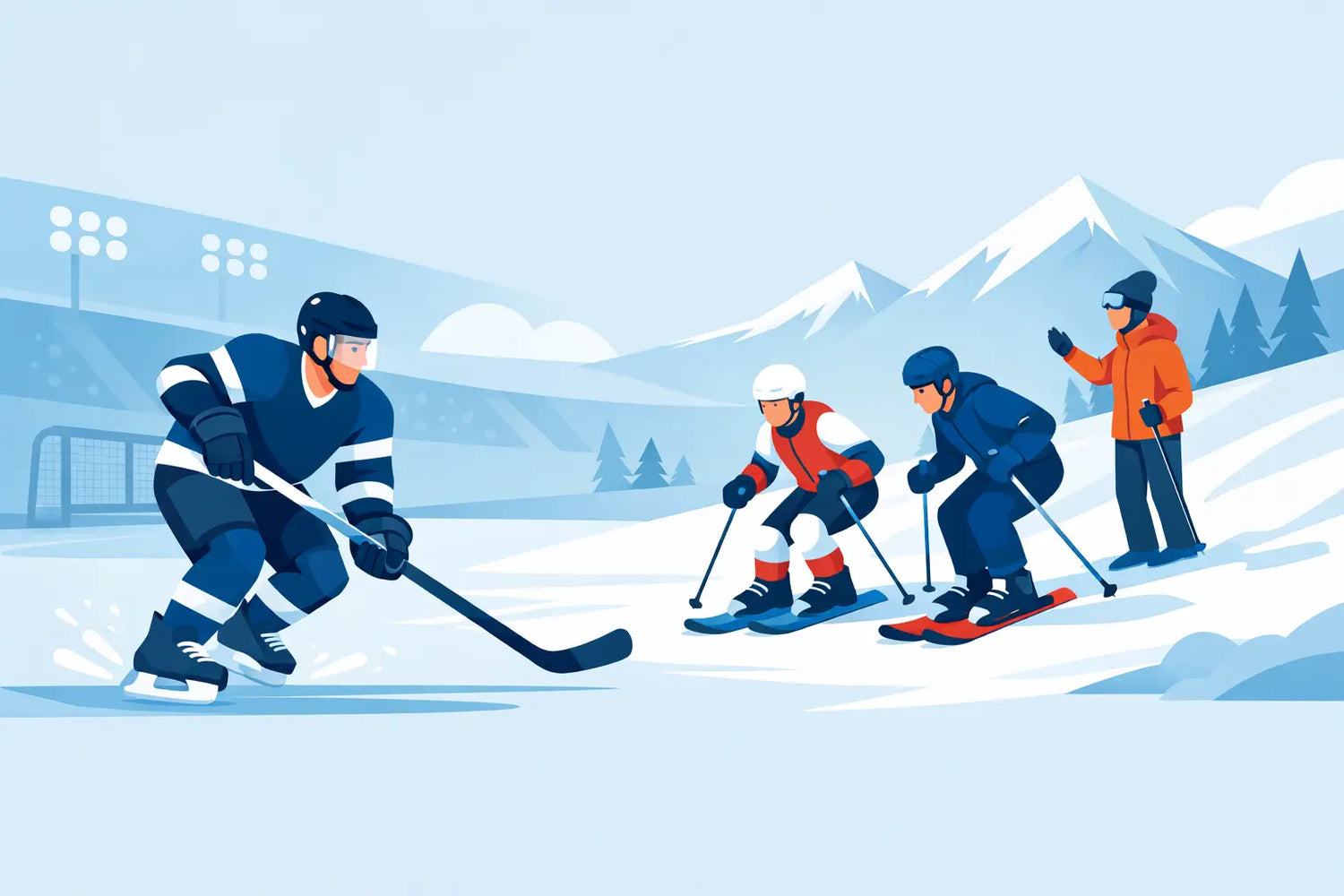
The first surprise for most hockey players on snow is this: the part that usually feels hardest to beginners often feels strangely familiar. Edge pressure, balance over the feet, quick corrections, staying athletic instead of stiff - those instincts already live in your body. That is why hockey players learning short skis often look more comfortable in their first hour than total newcomers on traditional skis.
That does not mean snow feels exactly like ice. It does mean you are not starting from zero. If you have spent years on skates, you already know how to stay centered, how to trust your edges, and how to move with your knees bent instead of locked out. Short skis make that crossover much more natural because they reduce the long, awkward feeling that traditional skis can create for first-timers.
Why hockey players learning short skis adapt quickly
Hockey builds a movement pattern that transfers well to shorter ski platforms. You are used to a compact stance, fast reactions, and controlling direction with your lower body. On traditional skis, the extra length can punish overcorrections and make everything feel delayed. On short skis, the response is quicker and more intuitive.
That matters for confidence. A lot of first-day skiers quit mentally before they quit physically. They feel unstable, the gear feels huge, and every small slope seems bigger than it should. For hockey players, short skis cut through that problem. The gear feels less intimidating, easier to manage, and far closer to the kind of movement they already understand.
There is also a safety and comfort factor. When the learning curve is shorter, people stay relaxed longer. Relaxed athletes make better decisions. They do not fight the equipment as much, and they are less likely to panic when speed picks up.
What transfers from hockey - and what does not
The good news is real. So are the limits.
Your edge awareness transfers. Your ability to stay low and balanced transfers. Your willingness to move athletically instead of standing upright transfers too. If you are a strong hockey player, especially one with good skating habits, you will probably feel more natural on short skis than on long alpine skis.
What does not transfer perfectly is surface behavior. Ice is consistent in a way snow is not. Snow changes with temperature, grooming, traffic, and slope pitch. On skates, you are often pushing laterally. On short skis, you need to think more about glide, pressure control, and managing speed downhill rather than creating speed with every stride.
Stopping is another adjustment. Hockey stops and snow stops are cousins, not twins. The body position may feel familiar, but friction, timing, and edge engagement are different. If you come in expecting a perfect one-to-one match, you may get frustrated. If you come in expecting a head start, you will probably love it.
The biggest mistake hockey players make on short skis
They assume aggression solves everything.
On ice, aggressive movement often works. On snow, especially in your first session, too much force can make you skid, chatter, or lose your line. The players who learn fastest are usually the ones who stay compact, centered, and smooth. Think less about attacking every turn and more about feeling the platform under your feet.
Short skis reward clean inputs. Small weight shifts matter. Looking ahead matters. Letting the skis run a little instead of fighting every inch of movement matters. If you stay patient for your first hour, your progress usually speeds up fast after that.
How to start if you play hockey
Start on the easiest terrain you can find. That sounds obvious, but a lot of athletes sabotage themselves by picking a slope that matches their confidence instead of their actual snow experience. Hockey skill gives you useful tools, not instant mountain judgment.
Begin with straight glides and gentle speed checks. Feel how the edges engage. Let your ankles and knees stay loose. Keep your hands forward and your weight centered over the middle of the foot. If you shift too far back, short skis can still remind you quickly.
Then work on shallow turns. Nothing dramatic. Just link easy direction changes and focus on rhythm. Hockey players often progress fast once they realize they do not need huge movements. The best first sessions are usually boring for ten minutes and then fun for the next two hours.
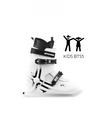
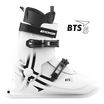
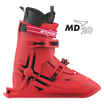
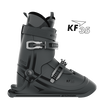
If you are using a modern short ski setup with an integrated boot-and-ski design, the experience can feel even more approachable. Less gear complexity means less time fiddling and more time moving. That is a huge deal for crossover athletes who want action, not a lesson in equipment management.
Why short skis beat traditional skis for many crossover athletes
Traditional skis ask a lot from a beginner. They are longer, bulkier, and less forgiving when your timing is off. For some people that challenge is part of the appeal. For many others, it is exactly why day one goes badly.
Short skis change the equation. They are easier to carry, easier to control at slower speeds, and easier to trust when you are still building snow confidence. For hockey players, that smaller platform often feels more like an extension of athletic movement and less like a giant tool strapped to your legs.
That does not mean short skis are only for beginners. It means they remove friction from learning. That is a smart trade for anyone who wants to get to the fun part faster.
A lot of newer riders also like the lower-commitment feel. You do not need to spend the first half of your day wrestling with gear, fear, and fatigue. You can actually enjoy the slope while learning it.
Hockey players learning short skis with more confidence
Confidence is not just about skill. It is about how quickly the sport gives you a win.
When hockey players learning short skis can make a controlled glide, link a few turns, and stop without drama early on, they buy in. They relax. They start experimenting. That momentum matters because most people do not quit winter sports because they hate the idea. They quit because the first experience feels too hard, too expensive, and too punishing.
Short skis offer a very different first impression. The learning curve feels lighter. The setup feels more portable. The whole experience feels less like a test and more like play. That is one reason so many crossover athletes stick with it.
For beginners especially, a system designed around simplicity can be a game changer. Tomsen Sports has built a lot of its appeal around exactly that idea - safer, easier skiing that feels fun from the start rather than someday later.
What kind of hockey player benefits most?
Almost any player can benefit, but a few types tend to click especially fast.
Players with strong edge control usually adapt quickly because they already understand pressure and balance. Players with good knee bend and posture also do well because they do not default to the tall, rigid stance that makes beginners unstable. Inline hockey players and recreational skaters can also transition well, even if they have less elite-level skating skill, because the body awareness still helps.
If you are a defenseman who likes controlled movement and reading angles, you may actually enjoy the pacing of early ski learning more than a player who relies mostly on explosive bursts. If you are a speed-first player, you may need to remind yourself to slow down at the beginning.
Age matters less than mindset. The hockey players who progress fastest are usually coachable, curious, and willing to feel out the differences instead of forcing the sport to behave like skating.
Is there any downside?
A little. If your end goal is highly technical alpine skiing on long skis, short skis are a different experience. They are not pretending otherwise. They are a simpler, faster-learning format that helps people get on snow with less friction and less intimidation.
Some advanced traditional skiers may want more length, more speed stability, or a different performance profile on steep terrain. That is fair. But for beginners, casual riders, families, and crossover athletes from hockey, those trade-offs are often worth it.
The real question is not whether short skis replace every snow setup for every rider. It is whether they make snow sports easier to start, easier to enjoy, and easier to return to. For a lot of hockey players, the answer is yes.
If you already know how to trust your edges and move like an athlete, snow does not have to be a hard reset. Pick the setup that lets your strengths show up early, and your first day on the mountain can feel a lot more like progress than survival.


Laisser un commentaire
Ce site est protégé par hCaptcha, et la Politique de confidentialité et les Conditions de service de hCaptcha s’appliquent.