






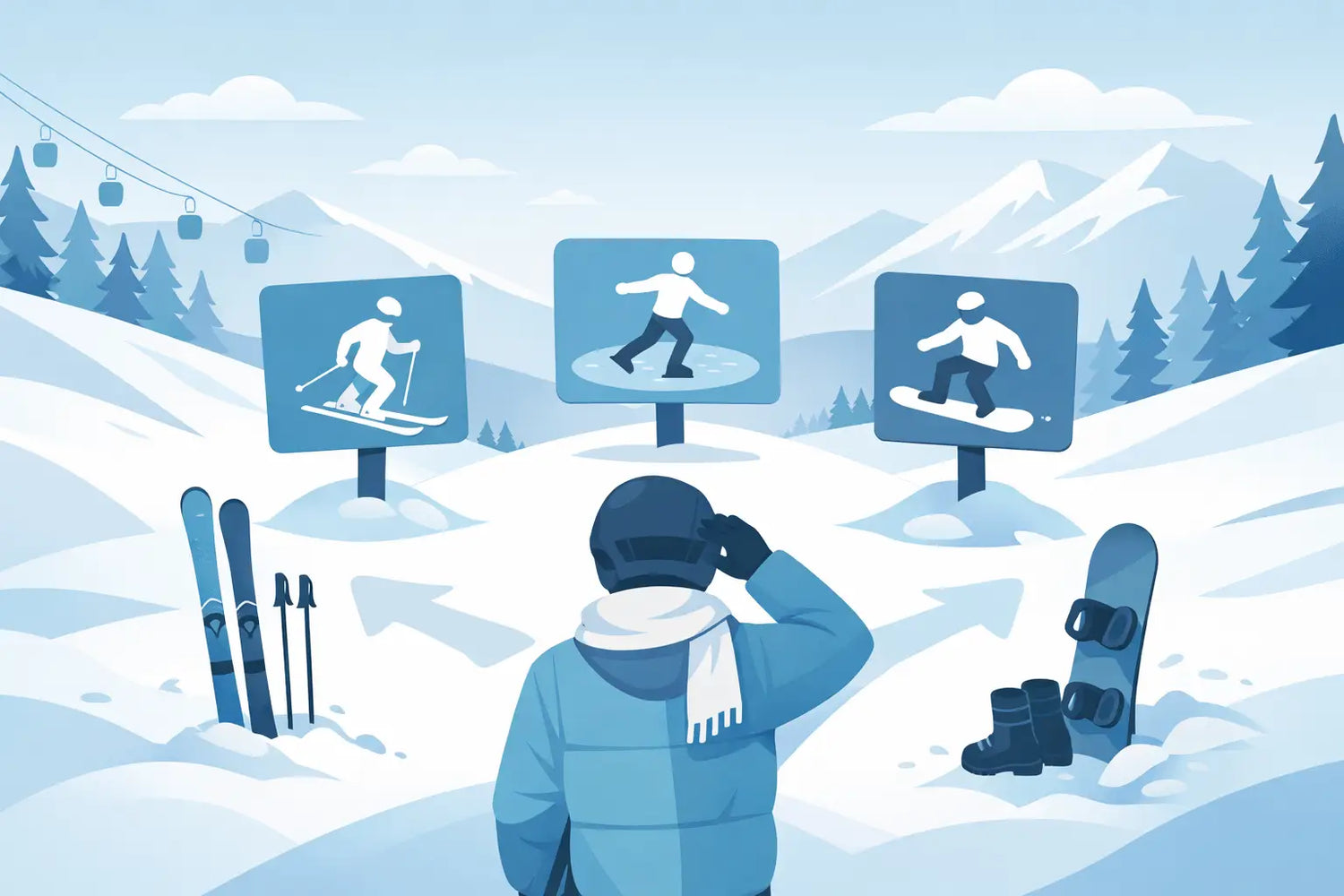
That first trip to the snow can go one of two ways. You spend the day tense, cold, and falling so much you start wondering why people call this fun - or you find the best winter sport for nervous beginners and realize winter can actually feel easy, social, and exciting from the first hour.
If you’re hesitant, that hesitation is not the problem. It’s usually the equipment, the learning curve, and the pressure to do something that feels harder than it should. A lot of beginners do not need a tougher challenge. They need a better starting point.
What is the best winter sport for nervous beginners?
For most nervous beginners, the best answer is the one that gives you balance, control, and quick wins early. That usually means a sport with a lower learning curve, less intimidating gear, and a more natural stance.
Traditional skiing can be fun, but it asks a lot from a first-timer. Two long skis, separate boots, poles, slippery movement, and a technique curve that can feel steep before lunch. Snowboarding is even more unforgiving for many beginners. The learning process often includes a lot of hard falls, sore wrists, sore tailbones, and long stretches of frustration before things click.
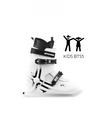
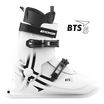
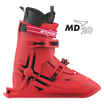
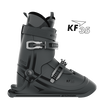
That is why short integrated ski systems have become such a strong option for people who feel nervous about winter sports. They remove a lot of the setup complexity and make those first movements feel less awkward. Instead of fighting the gear, you can focus on the part that actually matters - getting comfortable sliding on snow.
If your goal is not to become a technical purist on day one, but to enjoy yourself fast, this category makes a lot of sense.
Why nervous beginners quit so fast
Most beginners do not quit because they hate snow. They quit because the first day feels punishing.
Fear builds fast when every move feels unstable. Heavy gear makes you feel clumsy. Long skis can cross or catch. A snowboard can leave you sitting on the ground over and over. When you are already unsure of yourself, that kind of start can turn a fun weekend into a confidence crash.
There is also the mental side. A nervous beginner is not comparing the experience to expert riders carving black diamonds. They are asking simpler questions. Can I stop? Can I turn? Am I going to get hurt? Will I be the slowest person here?
The best beginner-friendly winter sport answers those questions quickly. It helps you feel in control before fear gets louder than fun.
The real trade-off: tradition vs fast confidence
There is no single answer for everyone. If you love the idea of classic alpine technique and you are happy to invest more time getting there, traditional skiing may still be worth it. If you are drawn to snowboard culture and do not mind a rougher first day, snowboarding has its own appeal.
But that is not the same as saying they are the best fit for nervous beginners.
For someone who wants the easiest, least intimidating entry point, speed of learning matters. So does safety. So does how natural the movement feels when you first stand up. This is where shorter, integrated alternatives stand out. They are built for accessibility, not gatekeeping.
That is a big shift in winter sports, and honestly, it is overdue.
Best winter sport for nervous beginners who want quick progress
If your top priority is learning fast without feeling overwhelmed, short skis with integrated boots are hard to beat.
The reason is simple. The stance feels more stable. The gear is less bulky. Movement is easier to understand. You do not need to manage a long ski in front of you or commit to the side-on posture that makes snowboarding feel so foreign to many first-timers.
For skaters, hockey players, and inline skaters, the transition can feel even more natural. You already understand edges, balance, and lower-body control. That familiarity removes a huge layer of fear.
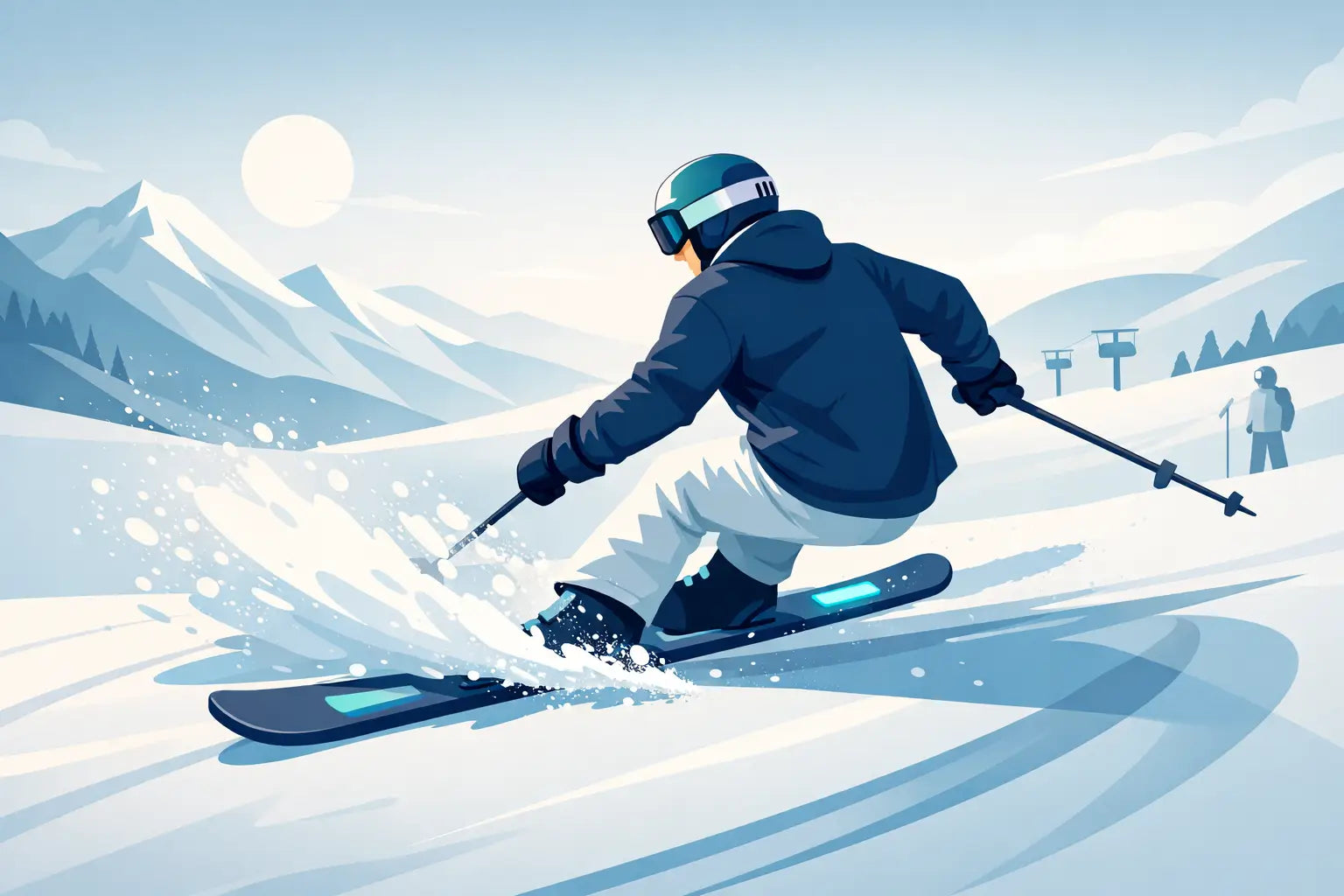
This is where a modern setup like Novaskis has such clear beginner appeal. It is designed to be easier to use, easier to carry, and faster to learn than traditional ski or snowboard setups. For a nervous beginner, that can change the whole day. Instead of spending hours just trying to survive, you can start building confidence almost right away.
That fast feedback matters. Once you feel one clean glide, one controlled stop, one turn that actually works, your body starts to relax. Then learning speeds up.
What makes a winter sport feel safer?
Safety is not just about injury statistics. It is also about how safe something feels to the person doing it.
A nervous beginner needs gear that reduces the sense of chaos. More control at lower speeds helps. Simpler movement helps. A setup that feels less tangled, less heavy, and less punishing helps a lot.
That is why many first-timers find traditional skiing intimidating even before they start. Long skis can feel awkward while walking, carrying equipment can be a hassle, and the whole system can make beginners feel like they are already behind. Snowboarding removes the poles and separate skis, but it introduces its own challenge: both feet attached to one board, with a movement pattern that often takes longer to trust.
A beginner-friendly integrated ski system sits in a smart middle ground. It gives you glide and edge control without forcing you into a setup that feels oversized or complicated. That does not mean zero risk. Nothing on snow is risk-free. But easier learning and more immediate control can reduce the fear that causes bad decisions in the first place.
Who should skip traditional skiing at first?
If you are athletic, fearless, and excited by a challenge, you may enjoy starting with traditional skis or a snowboard. Plenty of people do.
But if you know you get anxious with speed, dislike falling, or want your first day to feel fun instead of humbling, there is no prize for making things harder. The same goes for families introducing kids to snow, travelers who only hit the slopes once or twice a year, and adults trying winter sports later in life.
These are exactly the people who benefit from a shorter path to confidence. Learning something simpler first does not mean you are less capable. It means you are choosing the smarter on-ramp.
How to choose your first winter sport without overthinking it
Start with your real goal. Do you want to master a traditional discipline eventually, or do you want to enjoy the mountain as quickly as possible?
If the answer is fast fun, look for the option with the lowest intimidation factor. Pay attention to how much gear is involved, how natural the stance looks to you, and how quickly beginners typically feel in control. If you come from hockey, skating, or roller sports, lean into that advantage. Do not ignore what your body already knows.
It also helps to think beyond the first run. The best beginner experience is not just about getting down the hill once. It is about whether you want to go again tomorrow. Sports with a brutal first-day experience lose people fast. Sports that create early momentum keep people coming back.
That is one reason more riders are moving toward easier, modern snow setups. They want less friction and more fun. Fair enough.
The bottom line for nervous beginners
If you are nervous, the best winter sport is not the one with the biggest tradition or the loudest hype. It is the one that helps you feel steady, safe, and excited fast enough to keep going.
For many people, that will not be classic skiing or snowboarding. It will be a simpler, more confidence-friendly alternative that cuts the learning curve and removes unnecessary friction. That is not cheating. That is smart design doing what it should do.
Winter sports are supposed to feel thrilling, not punishing. Start with the version that lets you smile sooner. Confidence grows much faster when your first run feels possible.



Leave a comment
This site is protected by hCaptcha and the hCaptcha Privacy Policy and Terms of Service apply.